Fragrance as ritual
Ancient cultures used fragrant materials in ceremonies and everyday life. The International Perfume Museum traces this long relationship between people and scent.
Explore the museum’s history Scent SwitchBY GOURMANDGIRLIE
THE SCENT LIBRARY
Discover what your favourite scent elements bring to a perfume, and how the craft behind them has evolved.
Explore the notes ↓A WORLD OF SCENT

A perfume’s top, heart and base notes describe its evolving character, rather than a complete ingredient list. Roles overlap: the blend, materials and your skin influence what you notice. The descriptions below are a discovery guide.
A BRIEF HISTORY
Ancient cultures used fragrant materials in ceremonies and everyday life. The International Perfume Museum traces this long relationship between people and scent.
Explore the museum’s historyRose, jasmine and tuberose became emblematic perfume plants in Grasse, linking growing, harvesting and perfumery.
Explore the perfume gardensVanillin helped open new possibilities in modern perfume. Jicky provides a documented milestone in that story.
Explore the vanilla storyThese are documented milestones, not first-use dates for every material. Many scent traditions have no single, reliably recorded starting point.
64 scent notes to explore · flowers, fruits, woods, spices and more
Scent illustrations are visual references, including individually generated images for the expanded note library. A listed note describes a smell and does not establish which natural or synthetic materials are in a perfume.
gourmand
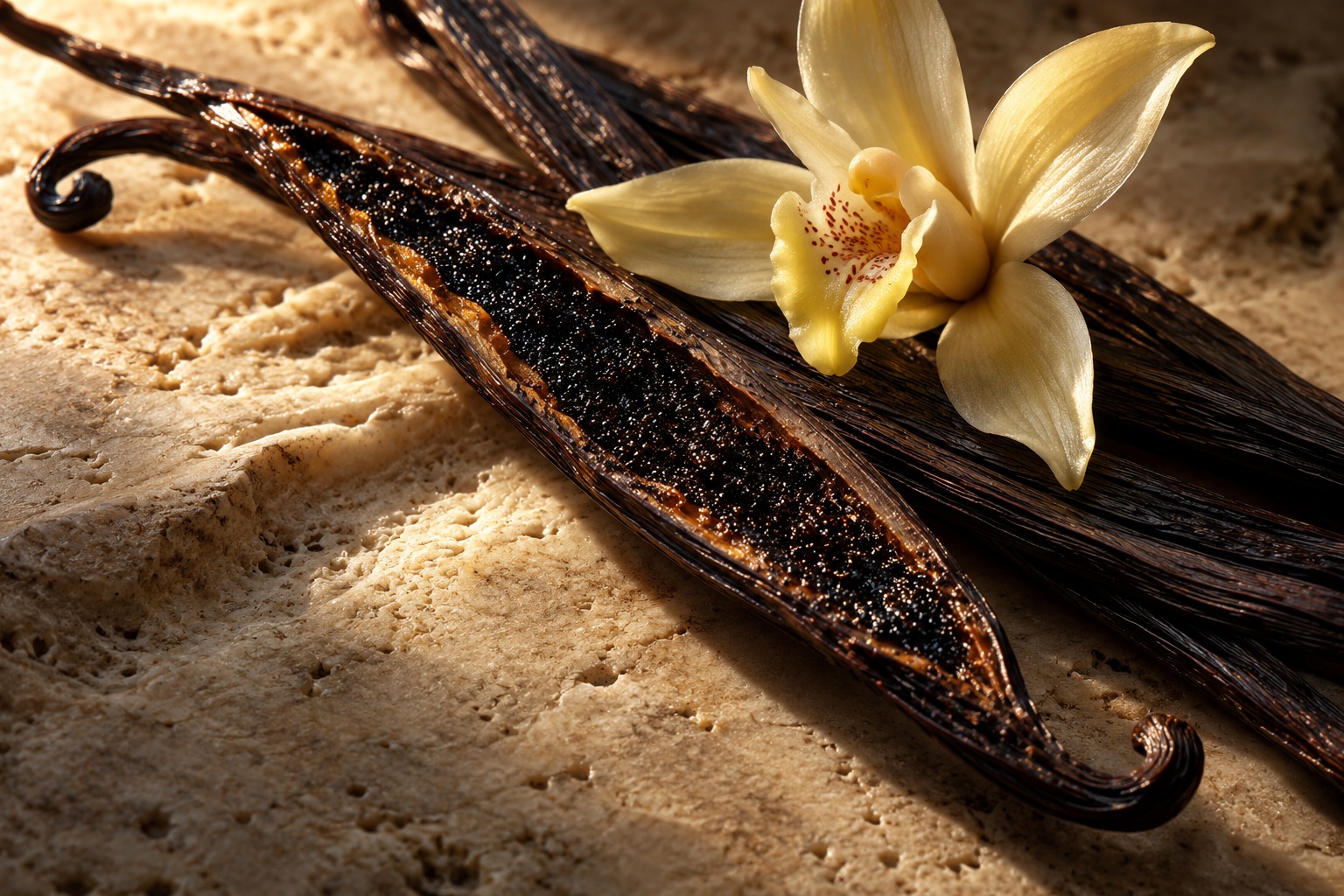
Sweet, creamy and sometimes smoky.
Rounds sharper notes and brings comforting sweetness to a base.
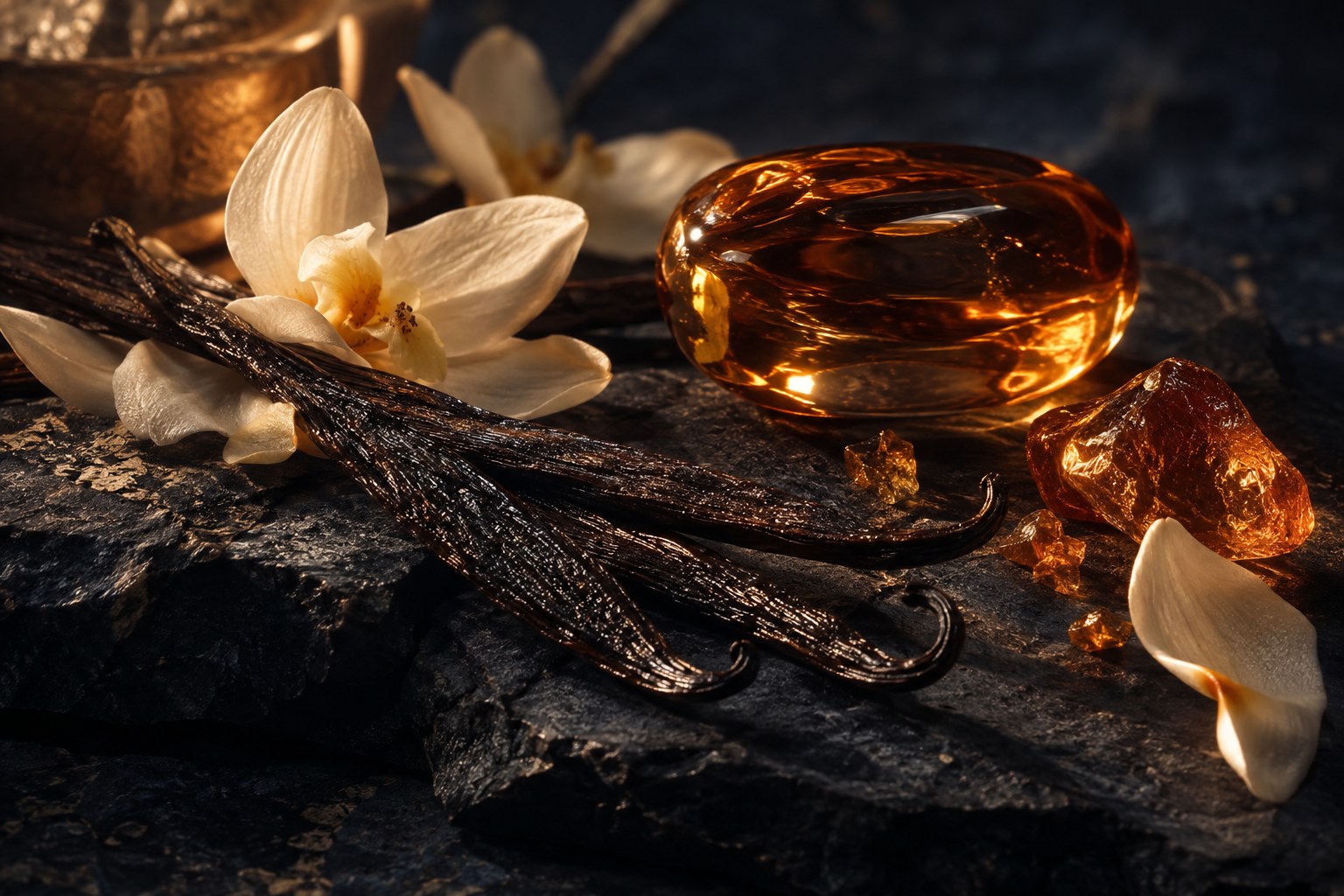
A documented milestone is Jicky in 1889, when synthetic vanillin helped shape modern perfumery.
Read the source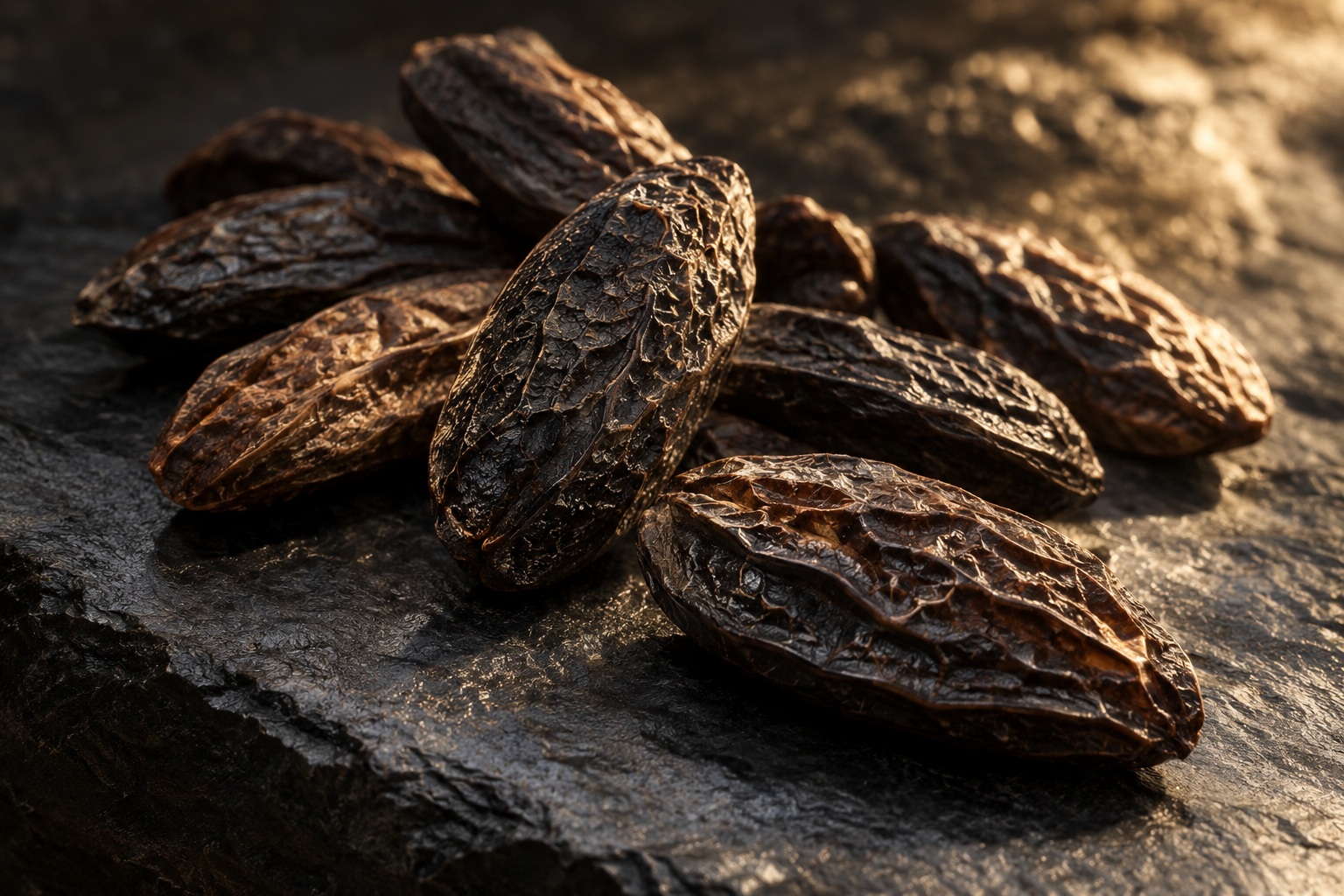
gourmand
Warm, sweet, with a hay-like or almond impression.
Adds a soft, enveloping character alongside vanilla and woods.
Guerlain describes Jicky (1889) as combining coumarin and vanillin. Coumarin is associated with tonka’s characteristic smell.
Read the sourcefloral
Petal-soft, fresh or richly velvety.
Gives the heart floral fullness; can soften woods or brighten sweetness.
Rose was one of Grasse’s emblematic perfume crops from the seventeenth century. This is a regional milestone, not its first use worldwide.
Read the sourcefloral
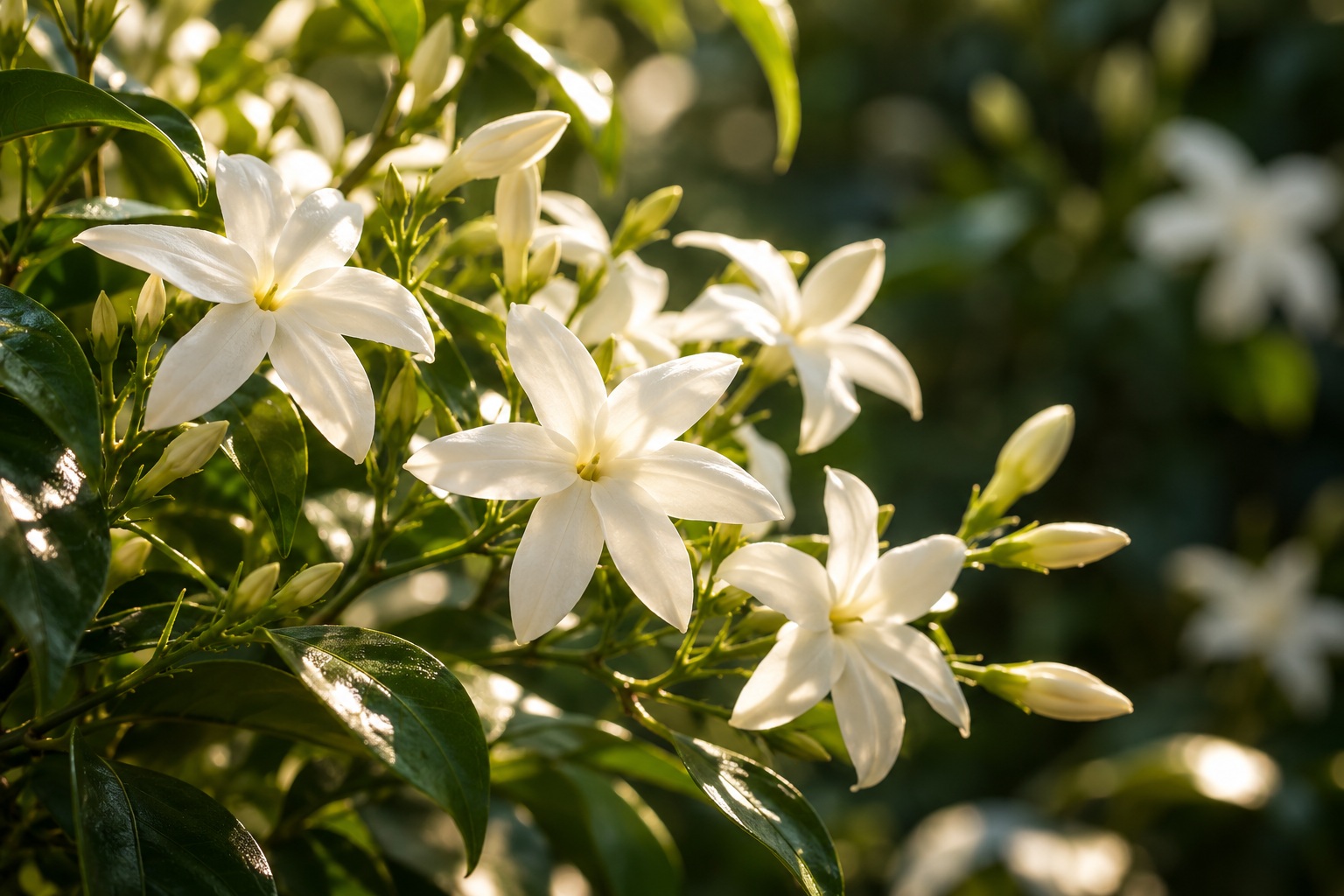
Rich, sweet and luminous white-floral character.
Adds fullness and a floral bridge between opening and base.
Jasmine also became an emblematic Grasse perfume crop from the seventeenth century, alongside rose and tuberose.
Read the sourcefresh
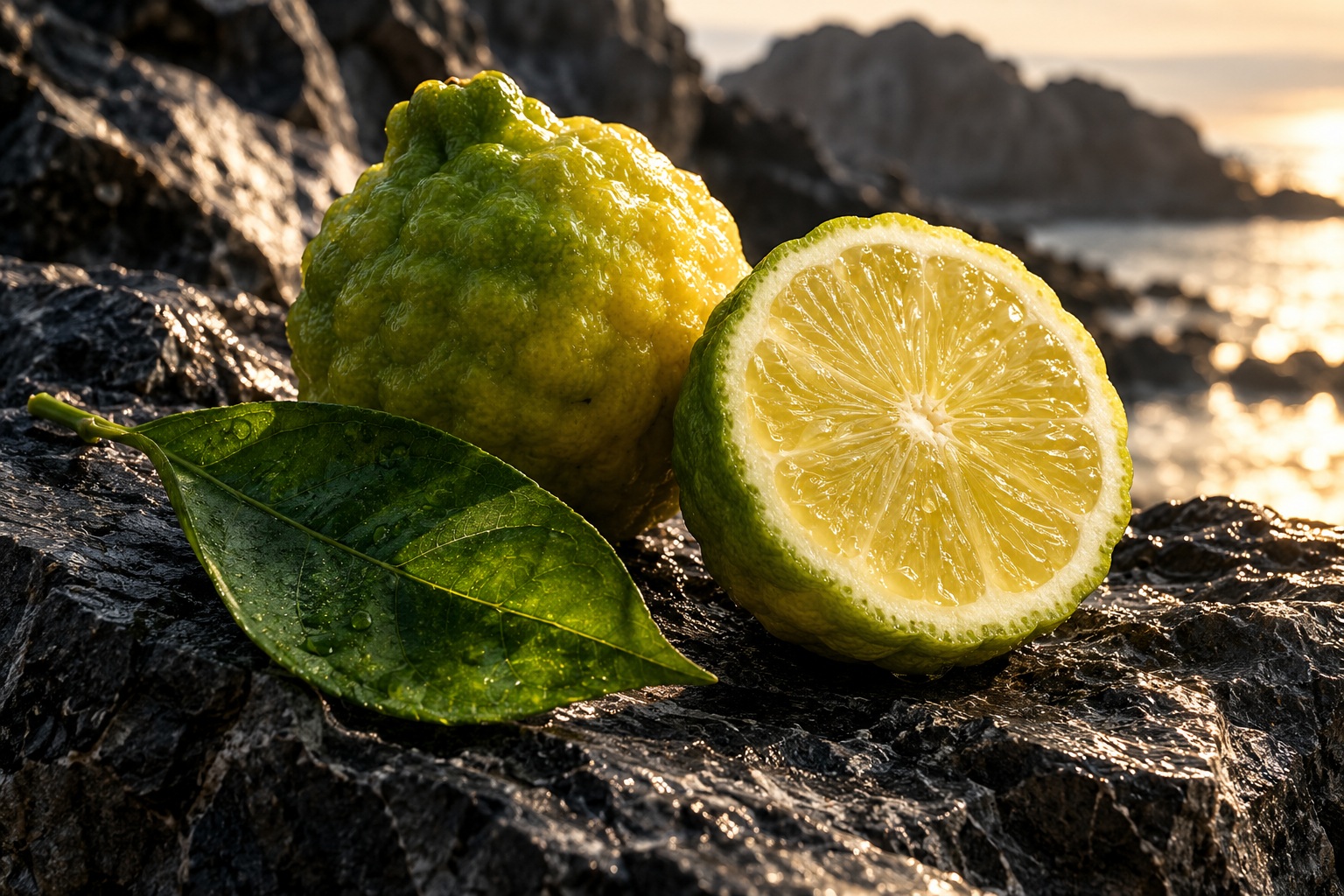
Bright citrus with a gently bitter, aromatic edge.
Lifts the opening and balances sweeter or heavier notes.
Citrus oils are obtained by pressing the peel; IFF explains how this preserves their bright opening character. A first-use date is not established here.
Read the sourcewoody
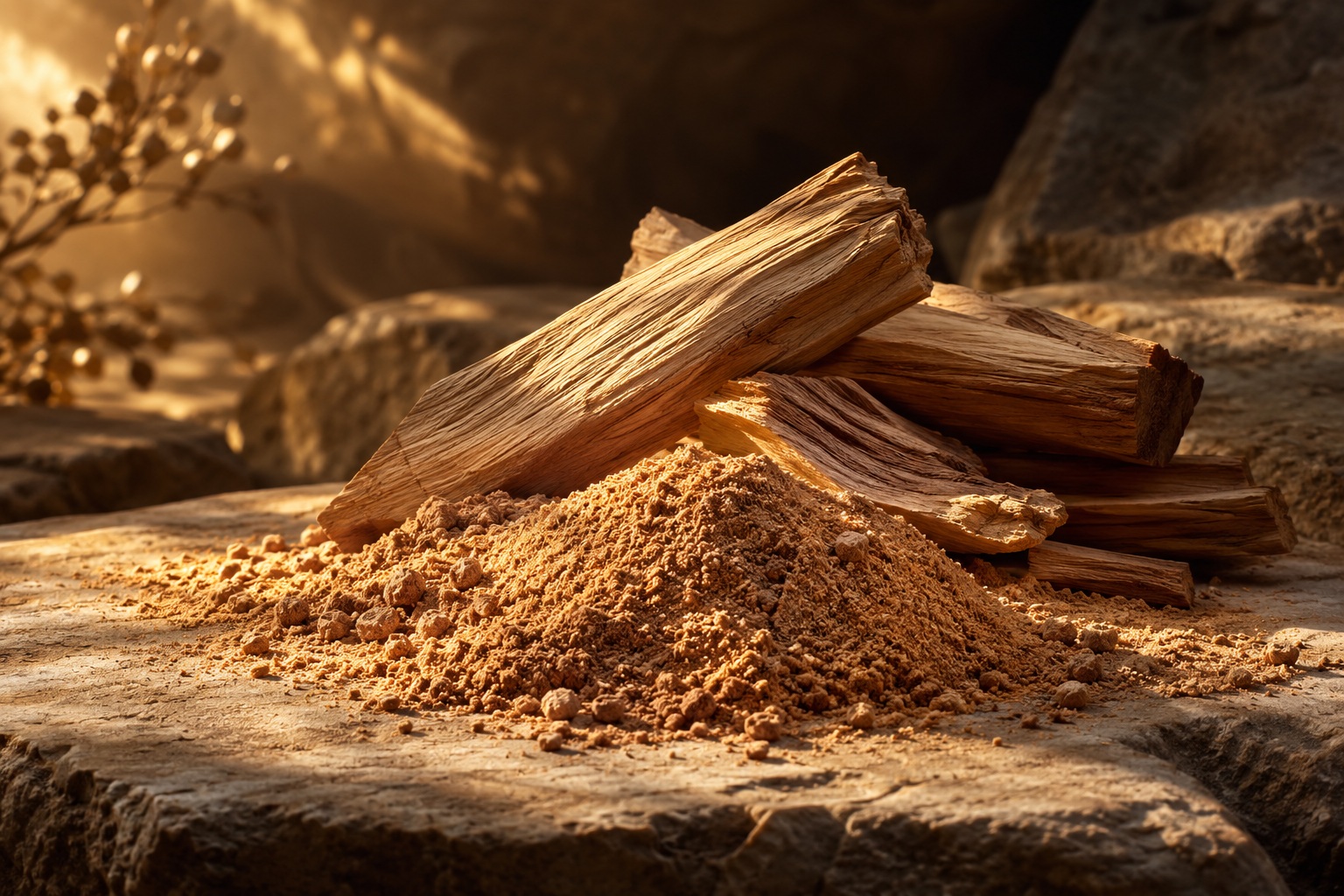
Smooth, creamy and softly woody.
Gives a warm base and a rounded feel.
Natural sandalwood remains part of today’s globally sourced perfumery palette. IFF identifies it as a typical base note; no first-use date is claimed here.
Read the sourcewoody
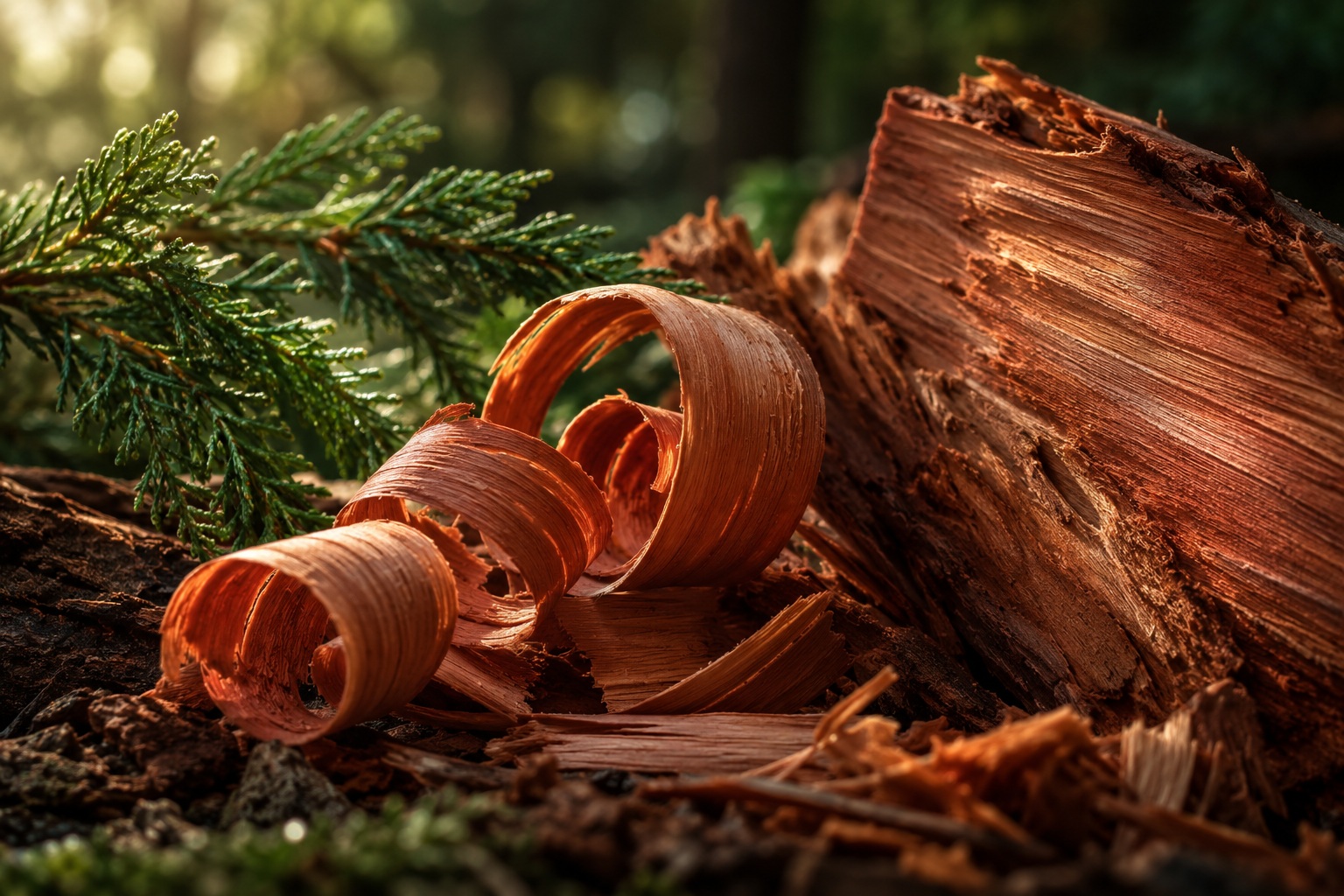
Dry, clean wood, sometimes like pencil shavings.
Adds structure and a drier counterpoint to sweet notes.
Cedarwood oils appear in modern ingredient catalogues. Their use predates any single launch; this guide does not assign an unverified starting year.
Read the source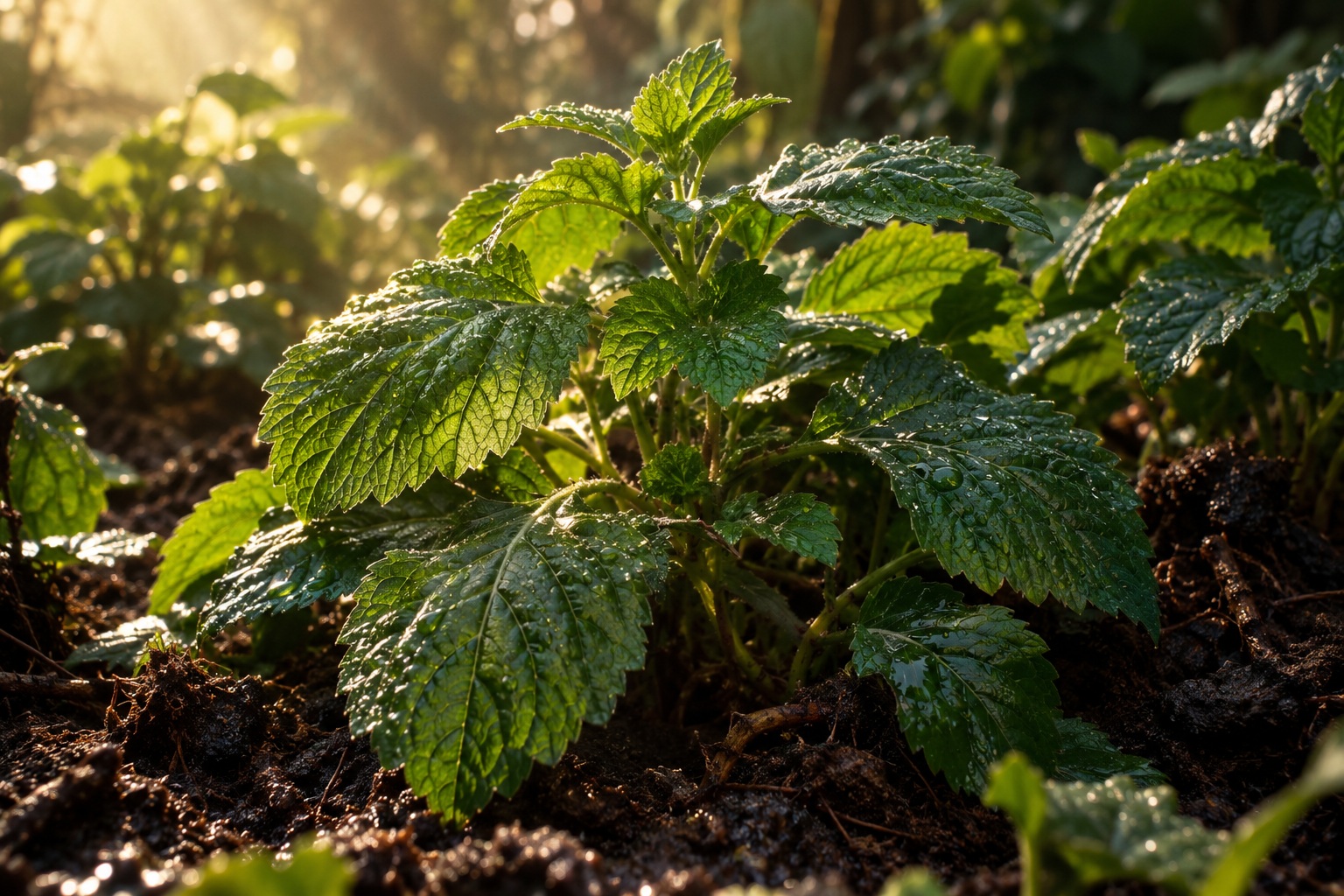
woody
Earthy, woody and sometimes darkly sweet.
Adds depth and contrast to florals or gourmand sweetness.
Modern natural perfumery sources patchouli from Indonesia, among other origins. Extraction and processing can change its character.
Read the source
soft
A broad family of soft, clean or skin-like impressions.
Helps a blend feel rounded and gives a gentle base character.
Givaudan’s sourcing history records musk being sought in the early 1900s. Modern musk materials are varied; a note label does not identify their origin.
Read the source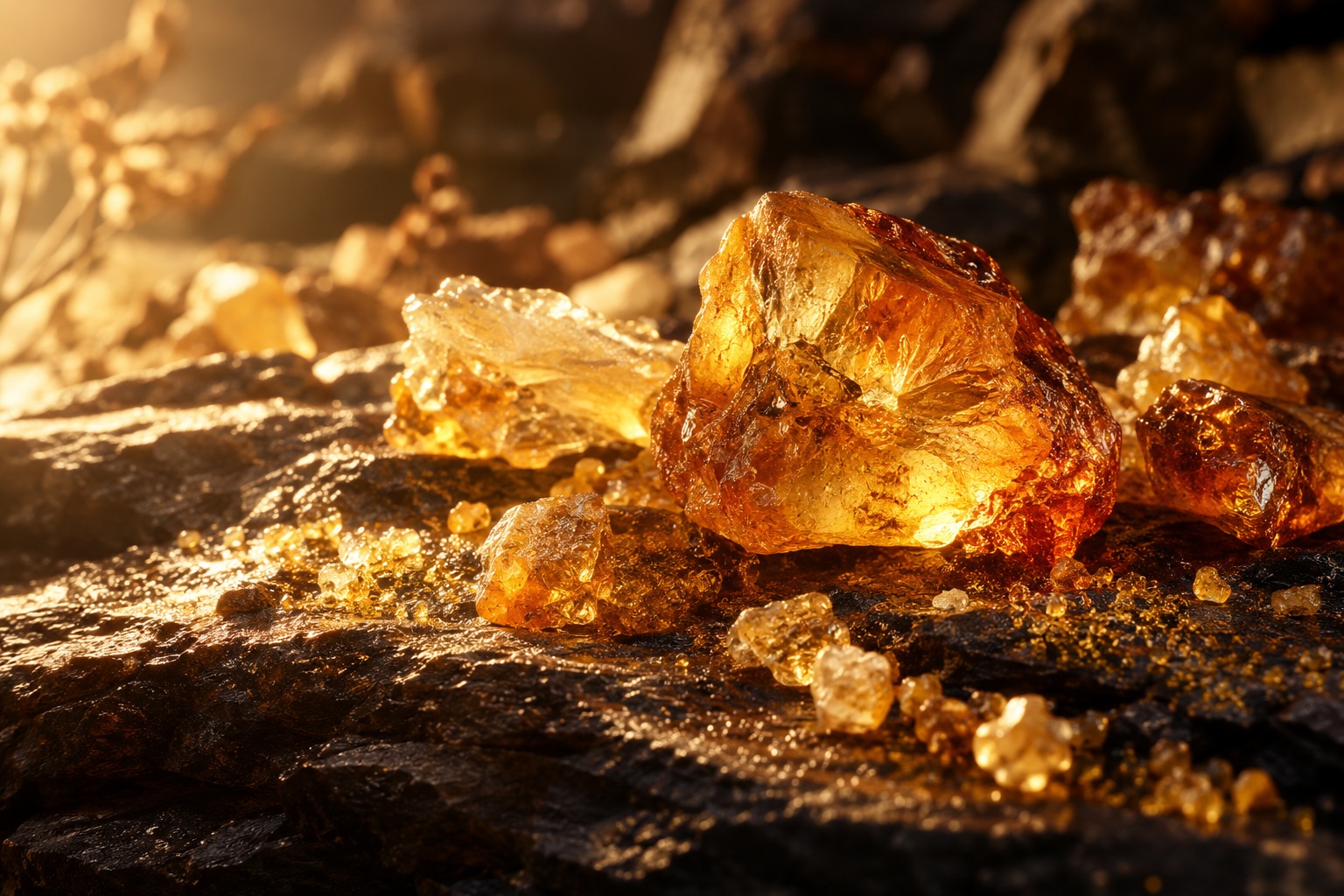
warm
Warm, resinous and often softly sweet.
Adds a glowing, enveloping base.
Amber in a perfume description is a scent impression or accord, rather than proof that fossilised amber is an ingredient. IFF lists amber among typical base notes.
Read the source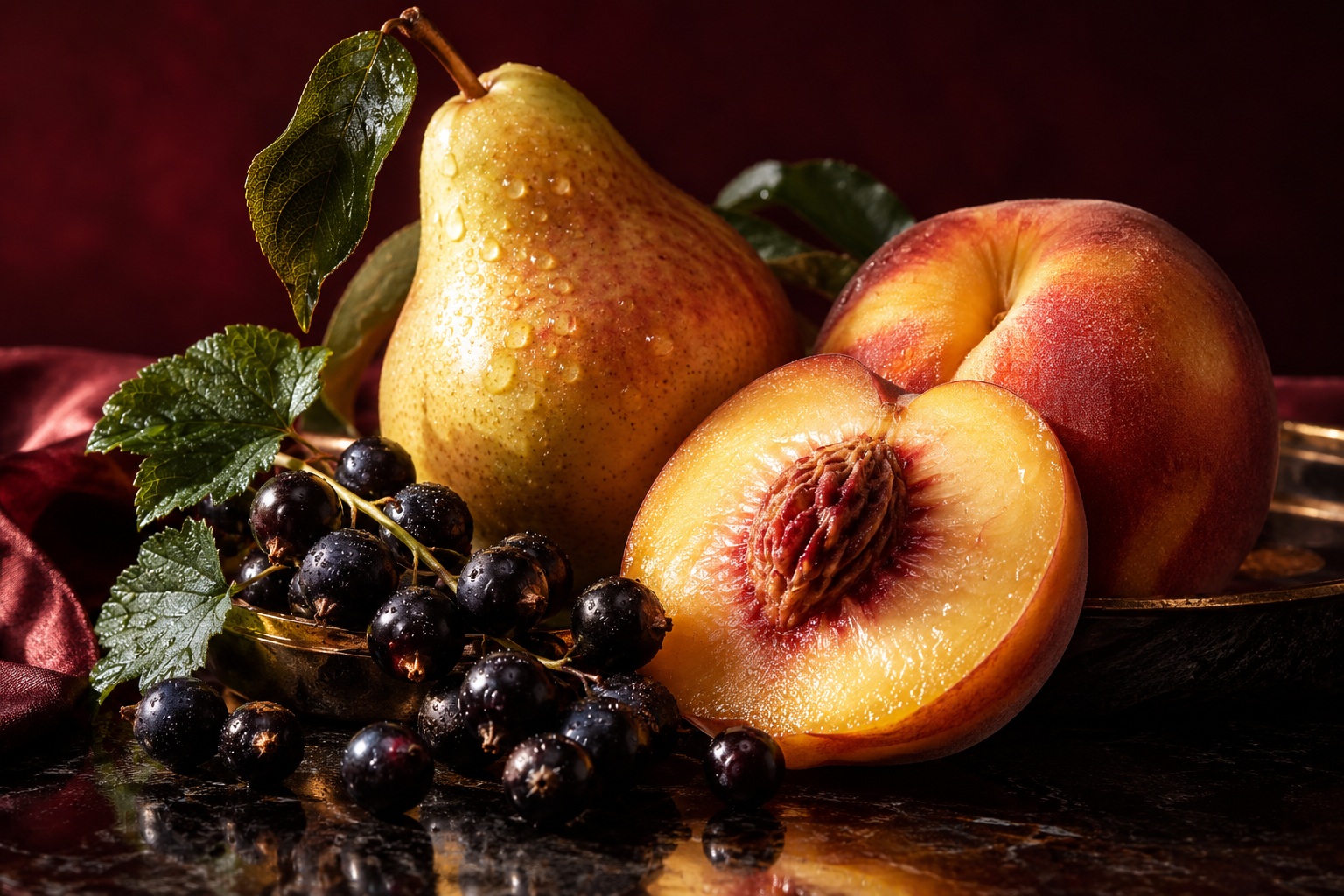
fruity
Juicy, tart or ripe, depending on the fruit.
Adds brightness, playfulness or a sweet contrast.
Fruit labels describe an effect rather than a fruit-juice ingredient list. Modern perfumery combines natural and created materials to shape these impressions.
Read the source
fresh
Airy, watery or mineral impressions.
Gives a blend space and a breezy fresh character.
These are descriptive accords rather than a single plant extract. A published aquatic note does not specify one molecule or a first-use date.
Read the source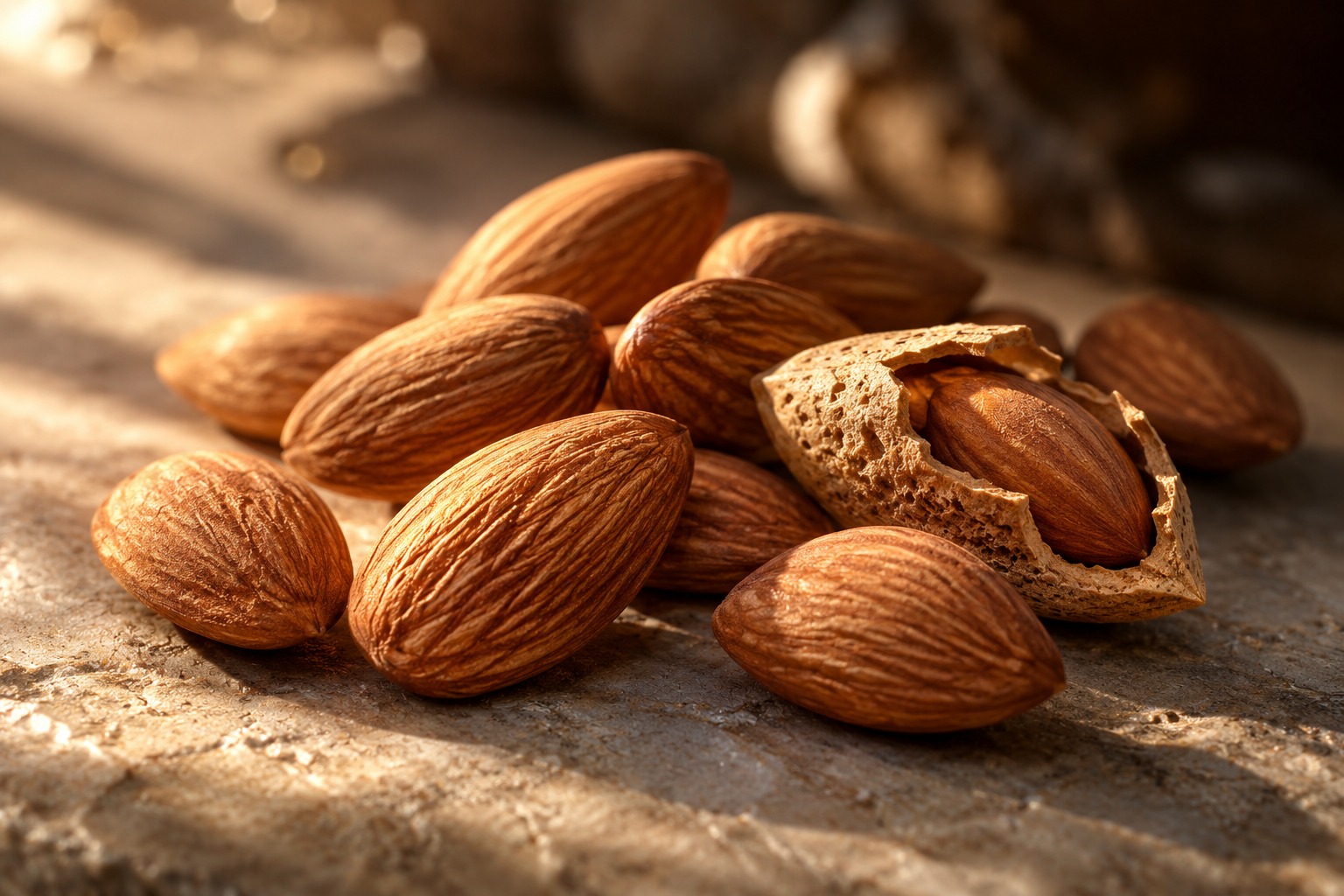
gourmand
Creamy and nutty, sometimes with a bitter-marzipan edge.
Adds a softer nutty sweetness that can feel less sugary than vanilla.
Almond blossom and almond-nut impressions differ; bitter-almond effects can evoke marzipan or amaretto.
Explore the source ↗
amber musky
Complex and softly musky, with marine, woody, earthy or warm sweet facets.
Rounds the composition with a smooth, skin-like depth.
Historical ambergris is a whale-derived material; modern perfumes often use synthetic alternatives. A note listing alone does not establish sourcing.
Explore the source ↗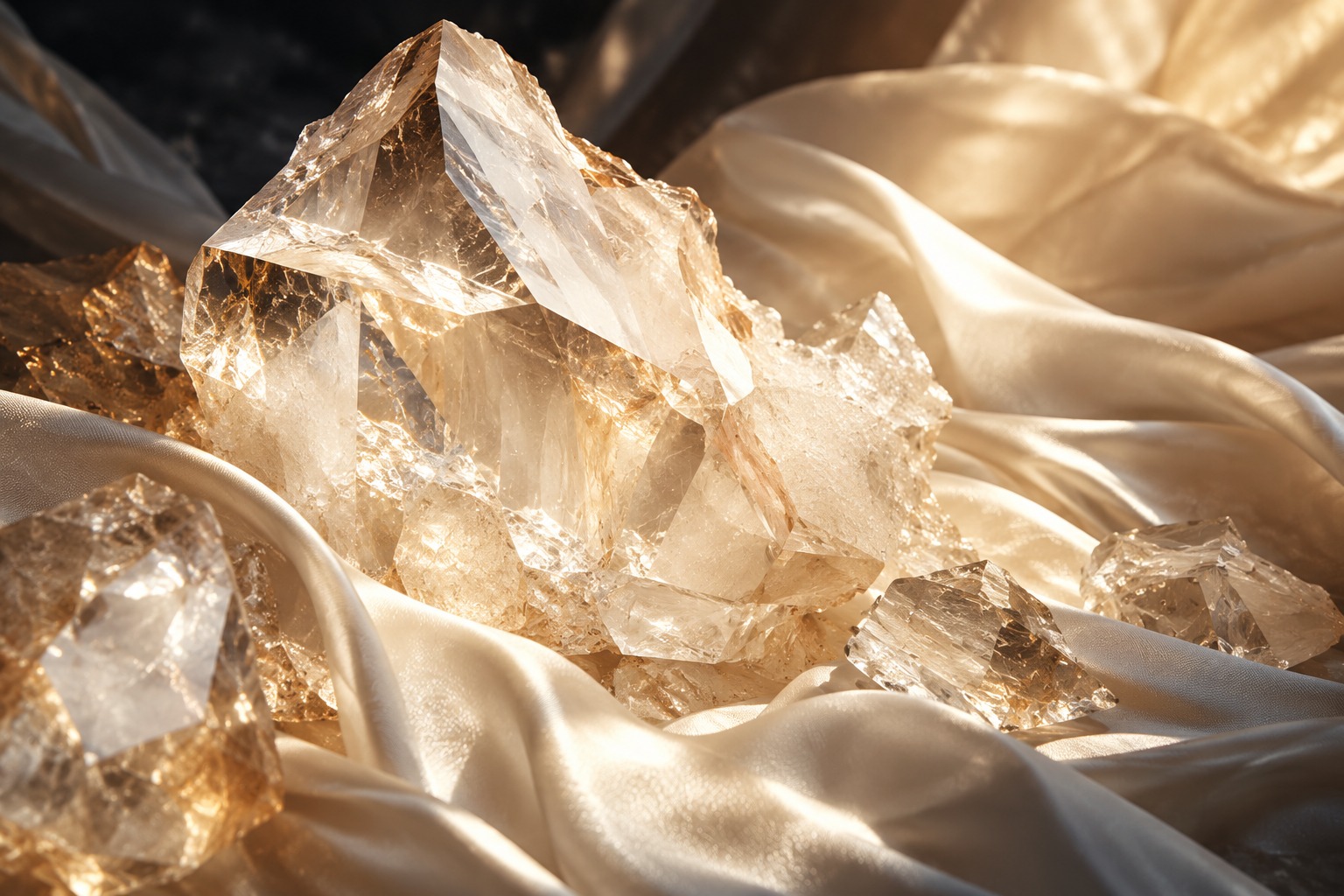
amber musky
Smooth and skin-like, with musky, woody or subtly salty facets.
Adds a warm, diffusive background and a close-to-skin texture.
Ambroxan is a synthetic aroma material developed as an ambergris alternative; individual perception varies.
Explore the source ↗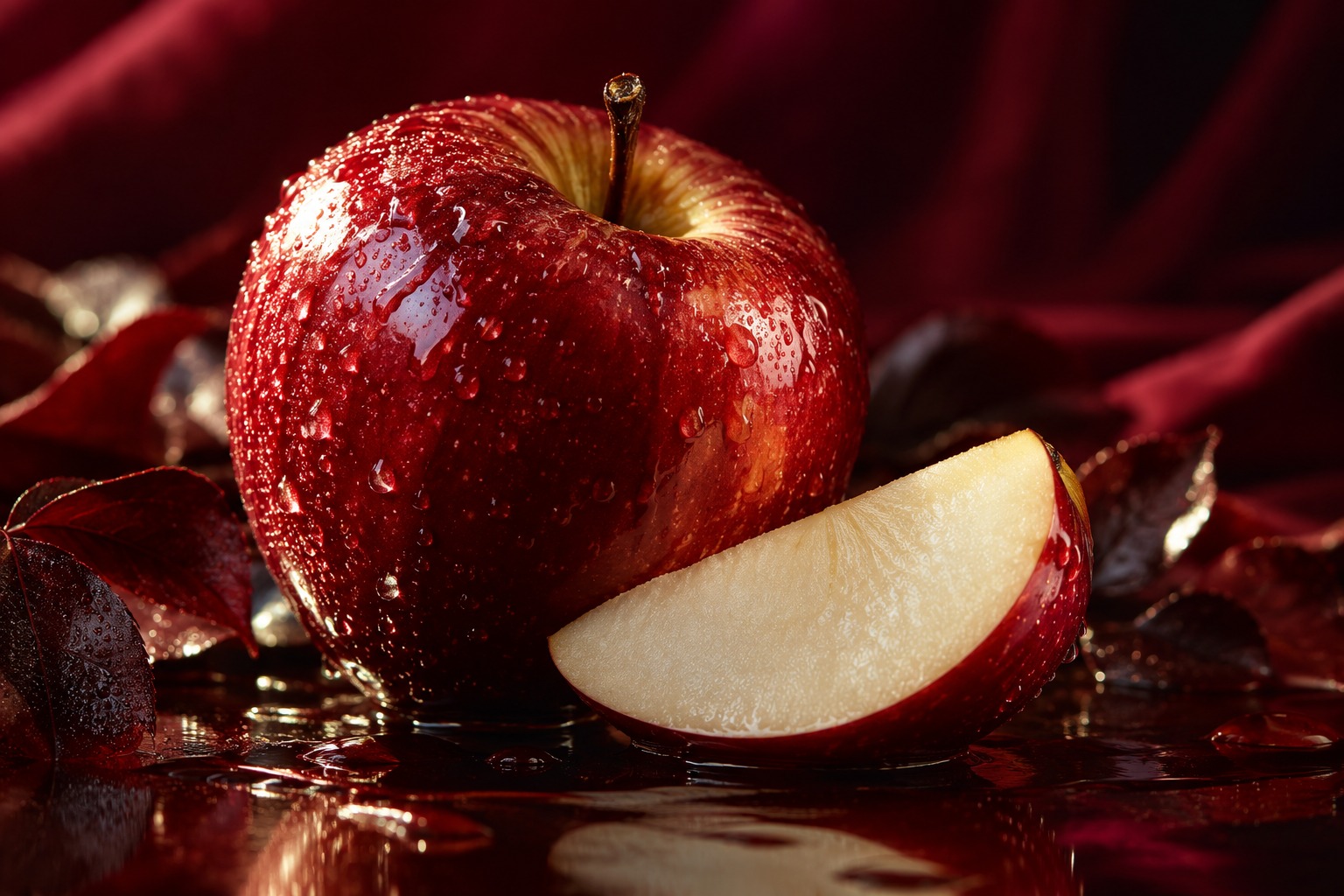
fruity
Crisp and juicy, with a fresh green or sweeter ripe-fruit impression.
Brings a bright, mouthwatering quality to floral and fresh blends.
An apple note describes a scent effect; it need not mean apple juice or a fruit extract is present.
Explore the source ↗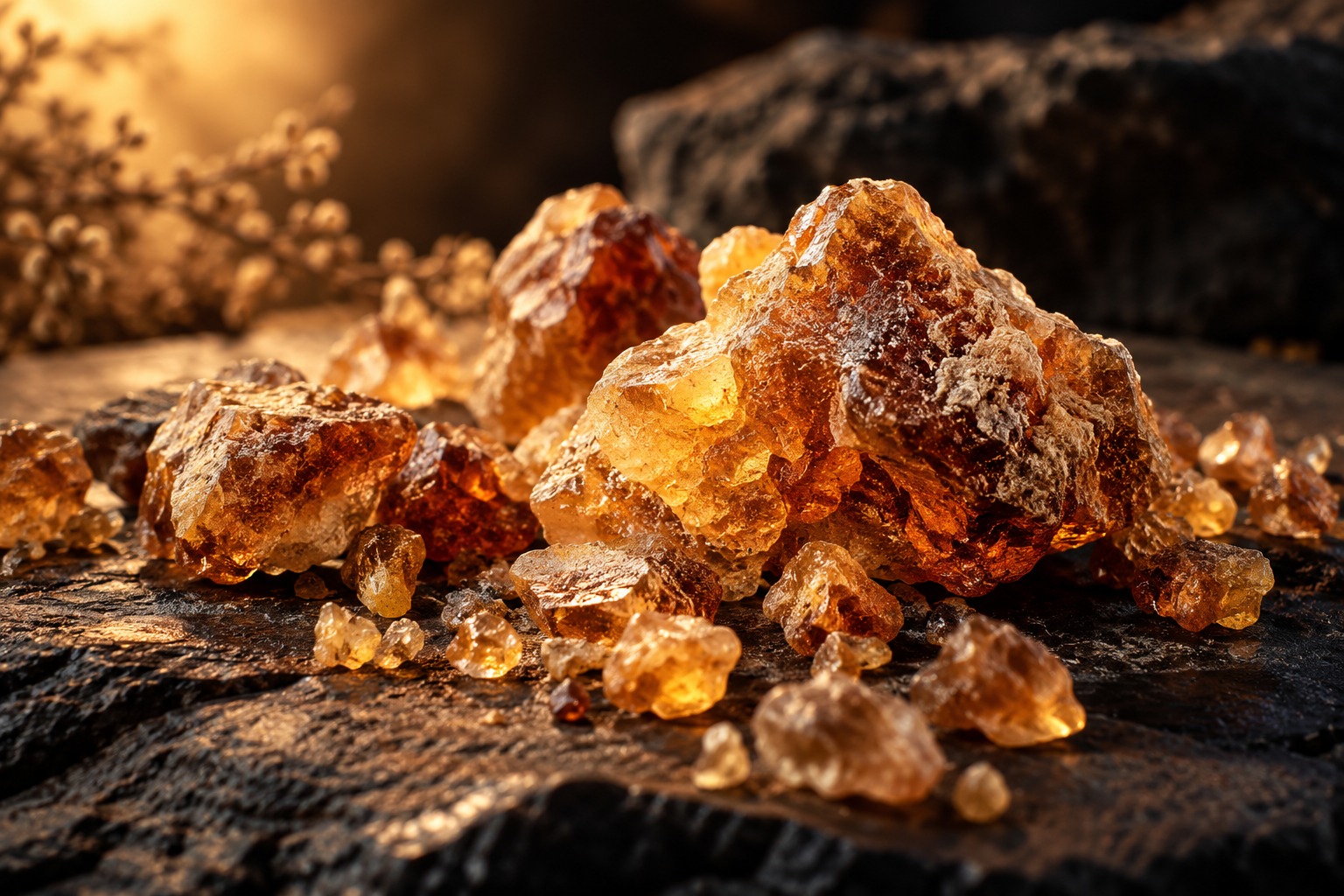
amber resinous
Sweet balsamic resin with vanilla-like warmth and a gentle spicy nuance.
Gives body and a rounded, comforting finish to amber and vanilla blends.
Benzoin is obtained from Styrax tree resin; it is distinct from frankincense despite historical naming overlaps.
Explore the source ↗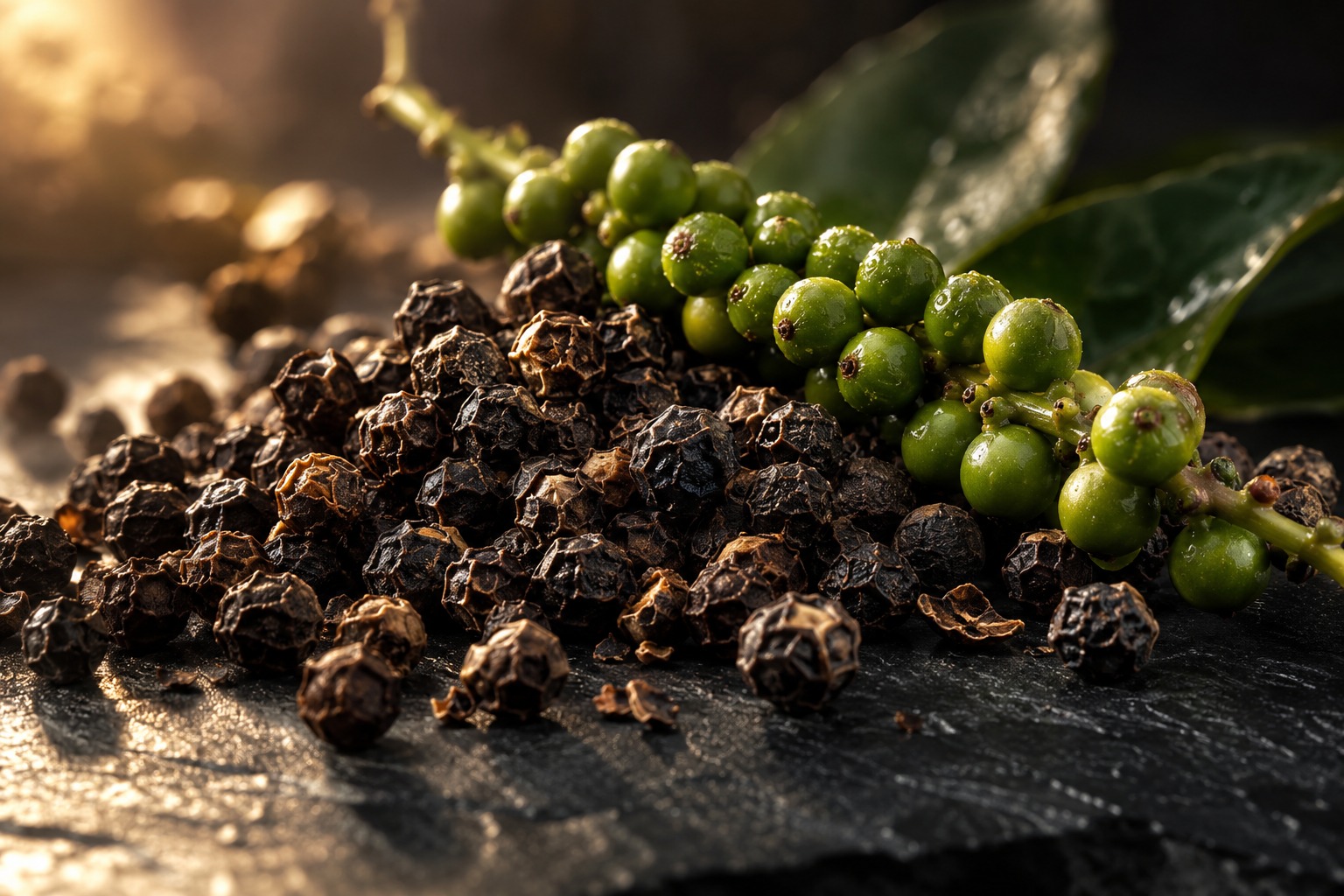
spicy
Dry, woody spice with a fresh, tingling brightness.
Adds definition and a lively edge to citrus, herbs and woods.
Black-pepper oil is distilled from Piper nigrum peppercorns; pink pepper comes from a different plant.
Explore the source ↗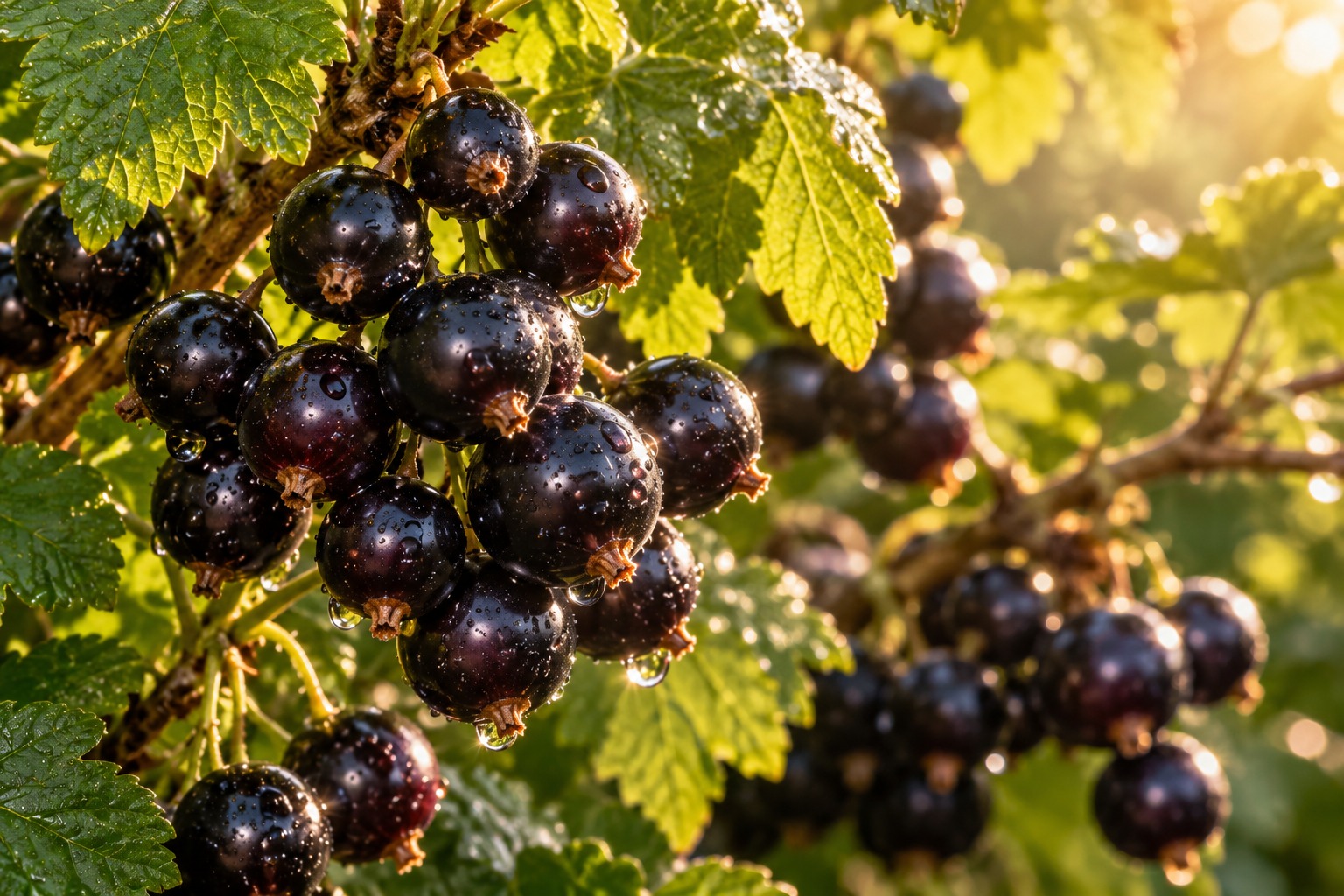
fruity
Dark tart fruit with green, woody or slightly animalic nuances.
Adds a lively, sharper fruit contrast to sweeter flowers or vanilla.
Blackcurrant fruit accords and bud or leaf extracts can smell quite different; cassis is a related name.
Explore the source ↗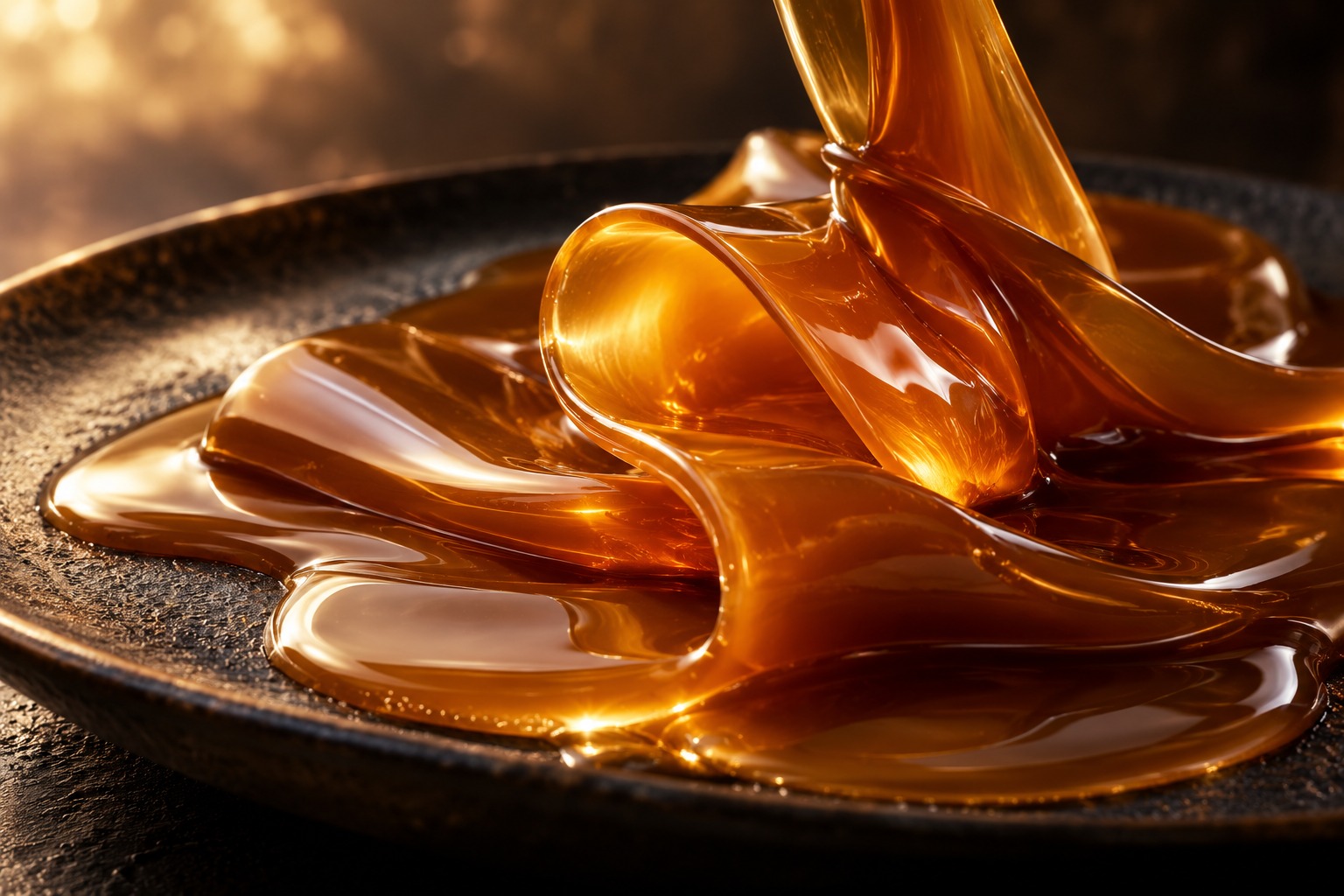
gourmand
Sweet cooked-sugar warmth, sometimes soft and creamy.
Adds a rounded dessert-like quality and softens sharper floral or woody edges.
Caramel is an olfactory effect in perfume; aroma materials such as ethyl maltol can help create it.
Explore the source ↗spicy
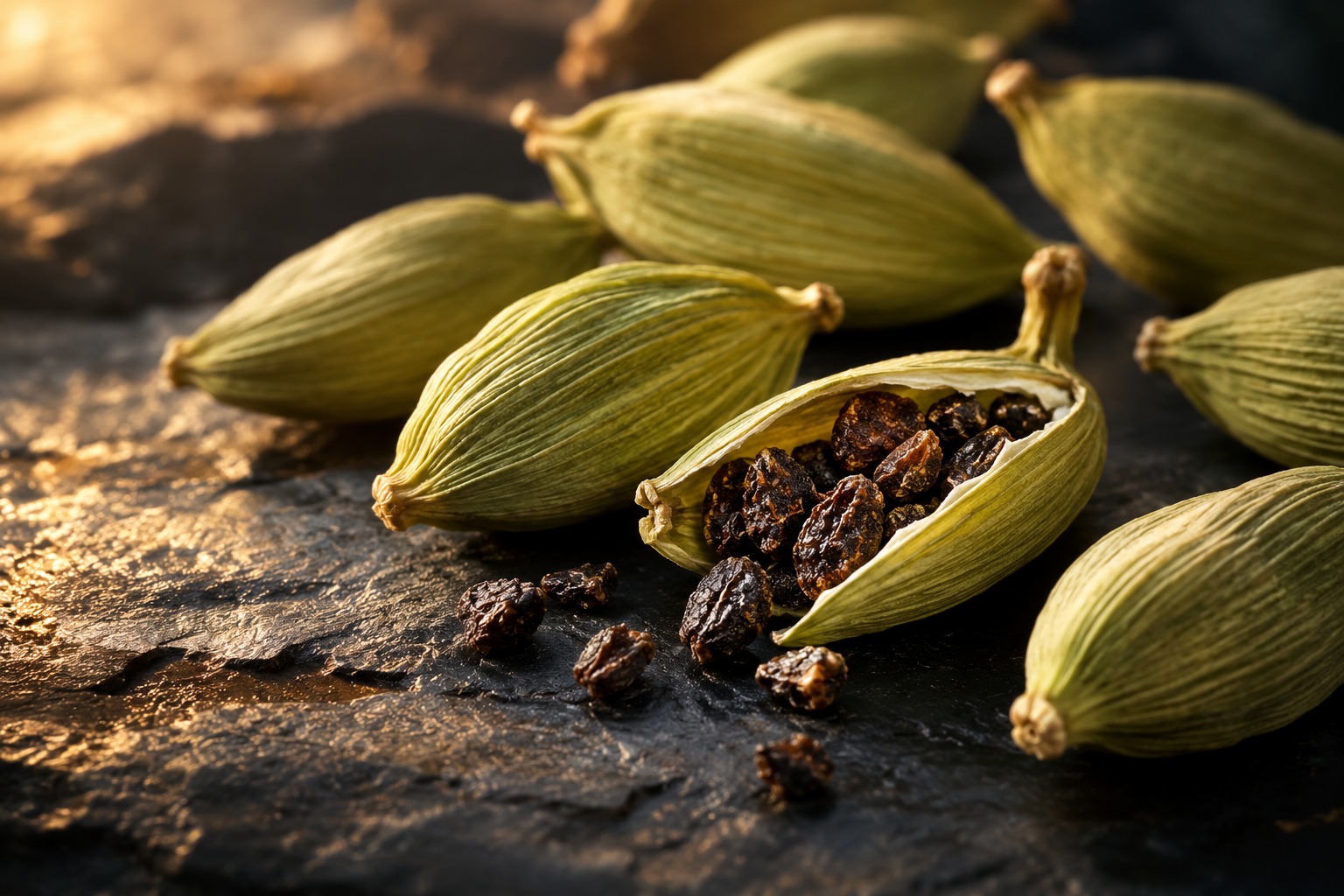
Aromatic spice with a cool, slightly minty edge; black cardamom can feel smokier.
Adds crisp spice and interest without the sweeter warmth of cinnamon.
Perfumery uses the seeds within the pods. Green and black cardamom have different characters.
Explore the source ↗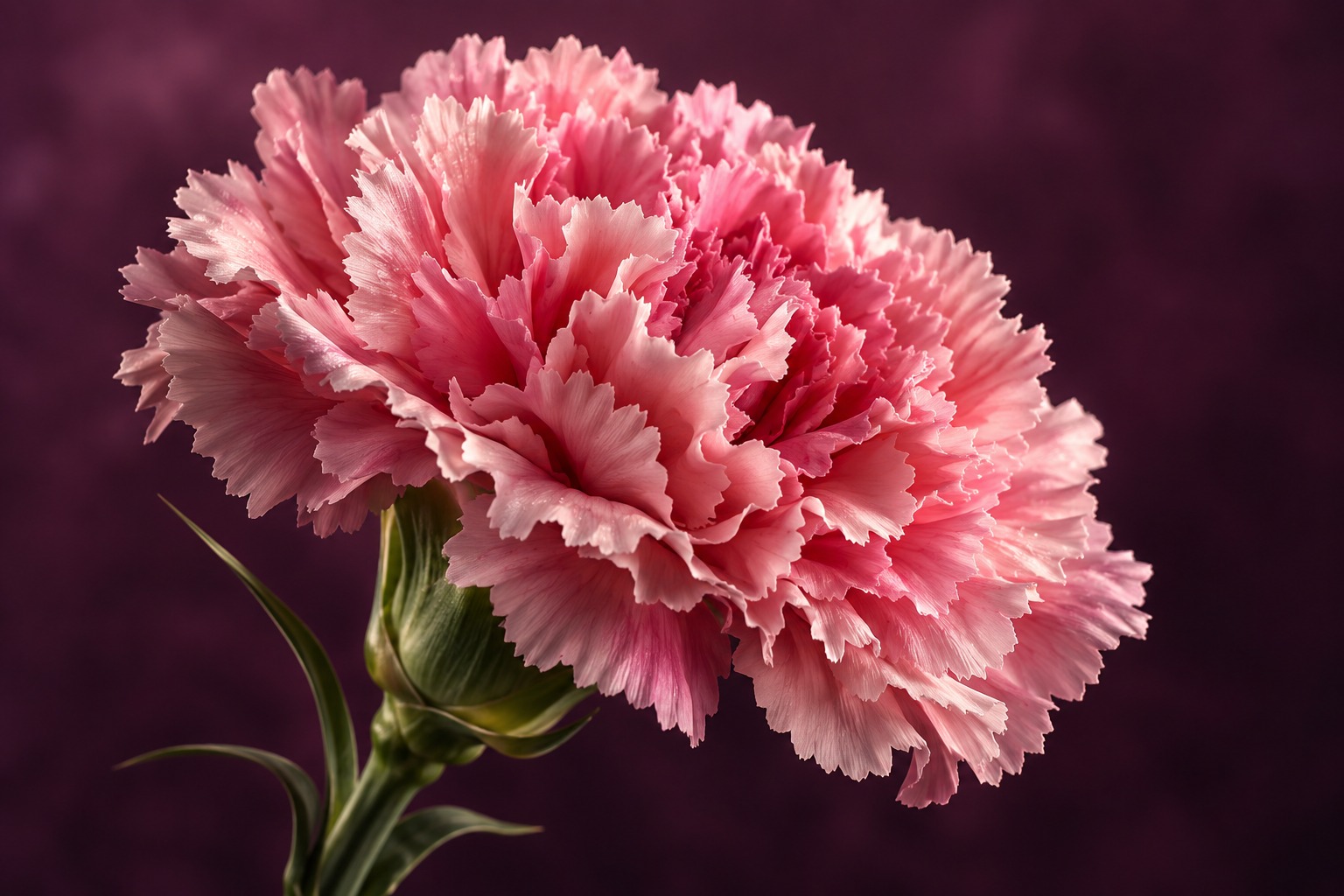
floral spicy
A spicy floral impression with a dry, clove-like warmth.
Adds piquancy to rose and other florals and a lively contrast in amber blends.
Carnation effects are often recreated with materials such as eugenol or isoeugenol; not every listed note comes from flower extract.
Explore the source ↗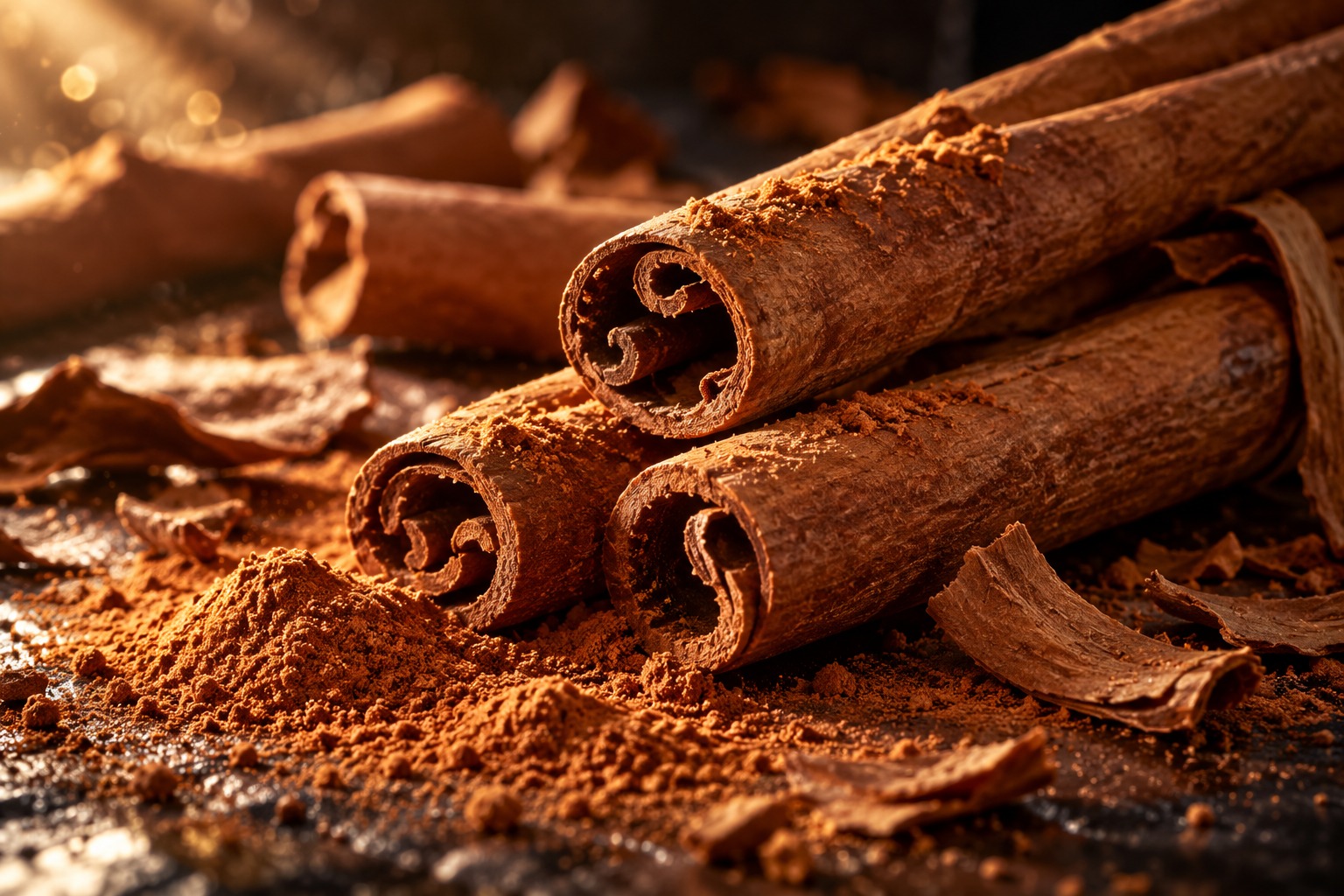
spicy
Warm, sweet spice with a familiar bark-like richness.
Adds cosy warmth and an inviting contrast to citrus or woods.
Cinnamon has a long perfumery history; bark and leaf materials have different scent profiles.
Explore the source ↗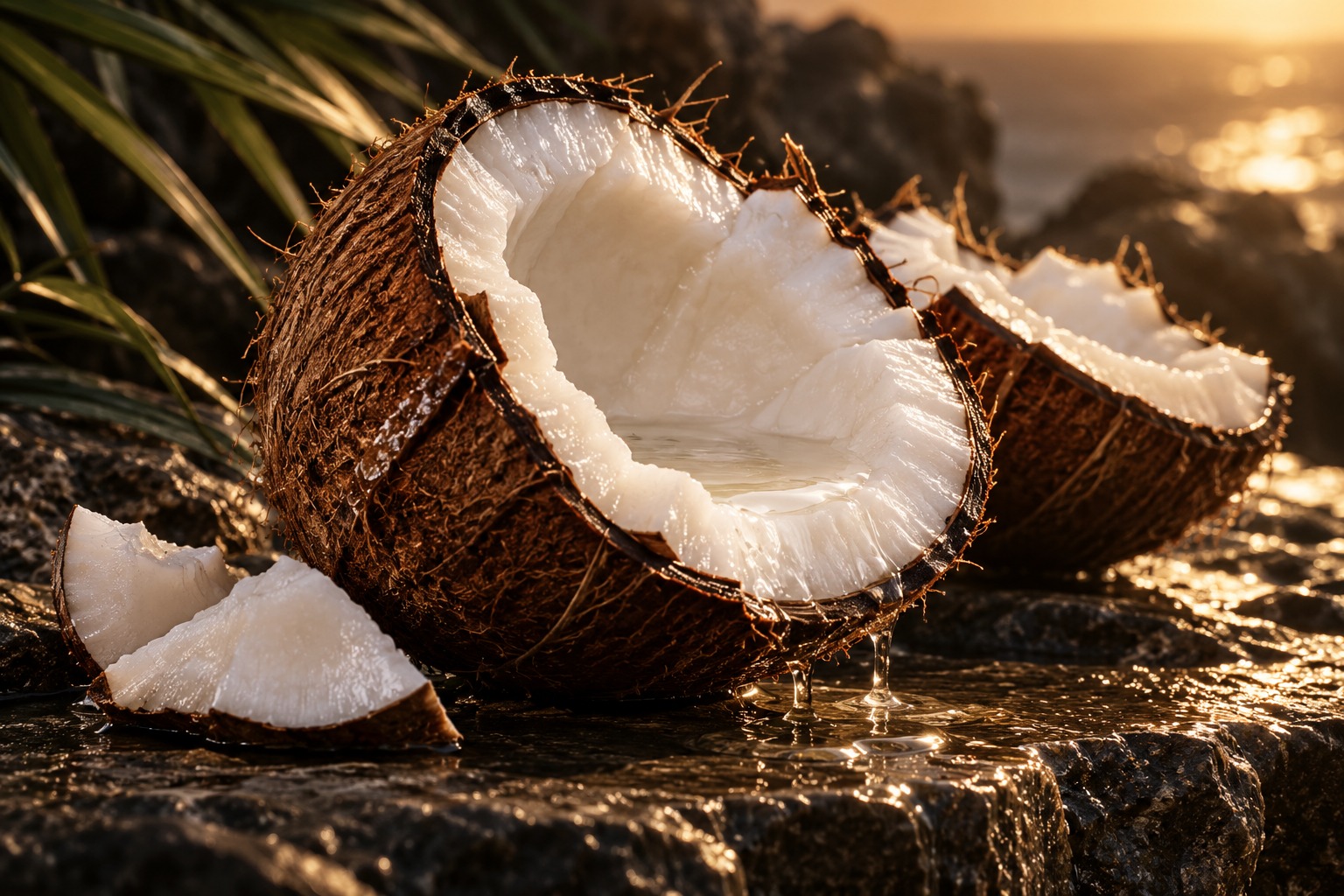
gourmand tropical
Creamy tropical sweetness that can suggest coconut flesh or milk.
Adds a soft, sunlit character to florals, vanilla or tropical-fruit accords.
A coconut note is usually an accord; coconut fruit and coconut wood should not automatically be treated as the same note.
Explore the source ↗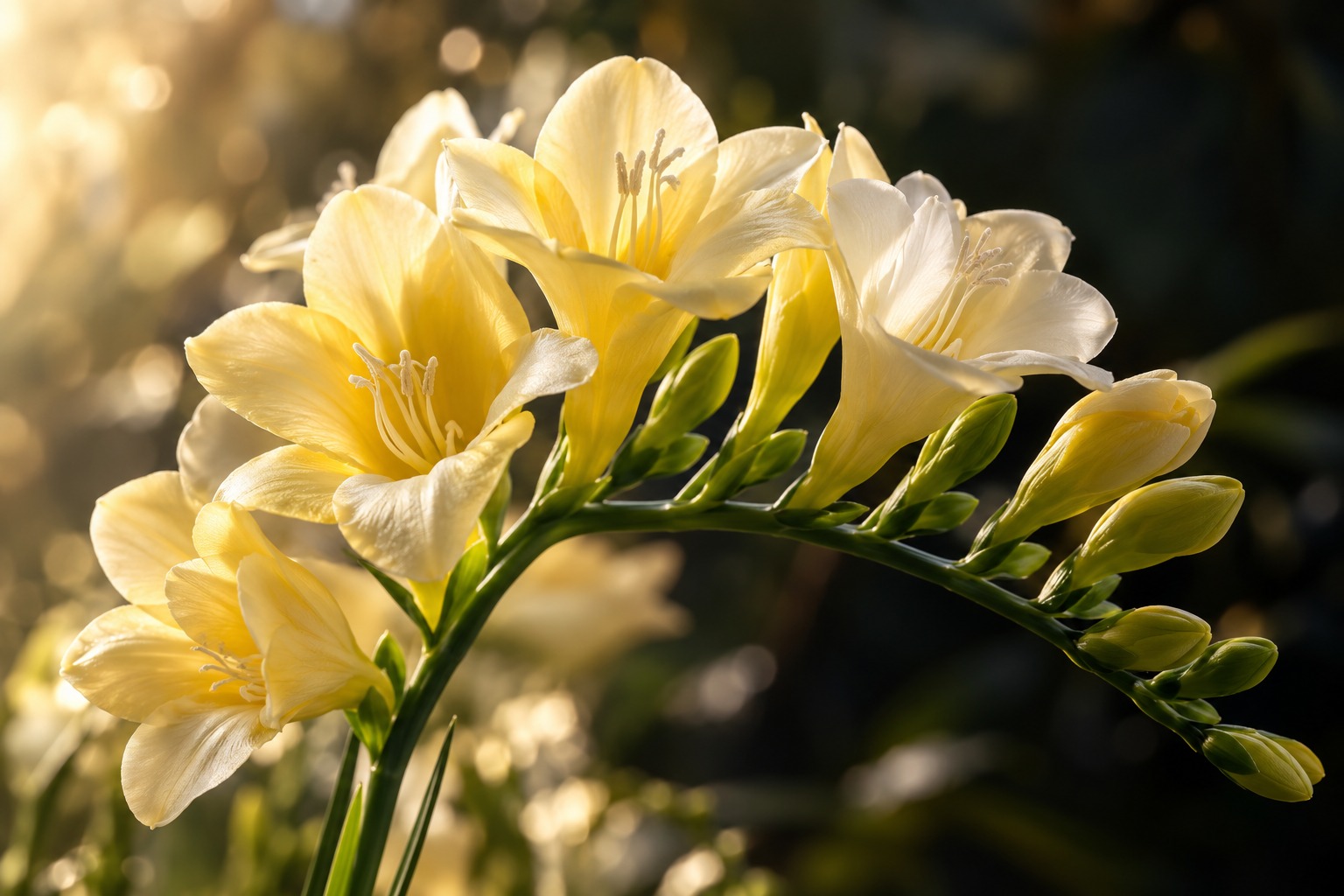
floral fresh
Airy and gently sweet, with a green freshness and a hint of citrus.
Adds brightness and lightness alongside other floral notes.
Freesia's scent is recreated in perfumery rather than readily captured as a conventional natural extract.
Explore the source ↗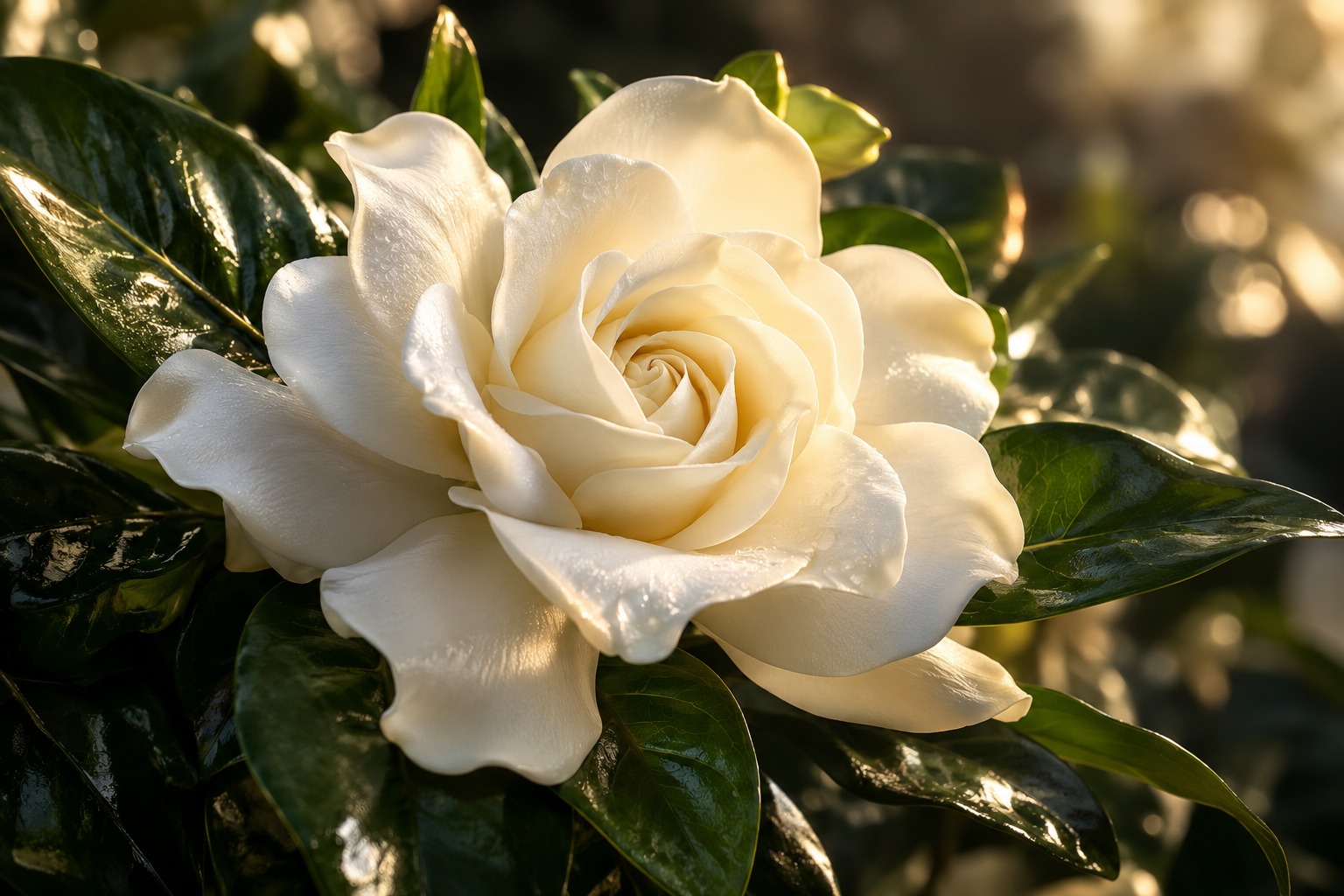
floral
A lush, heady white-flower impression with creamy richness.
Adds a full floral heart and a more opulent texture.
Gardenia effects are often recreated with aroma materials or other white-floral notes such as jasmine and tuberose.
Explore the source ↗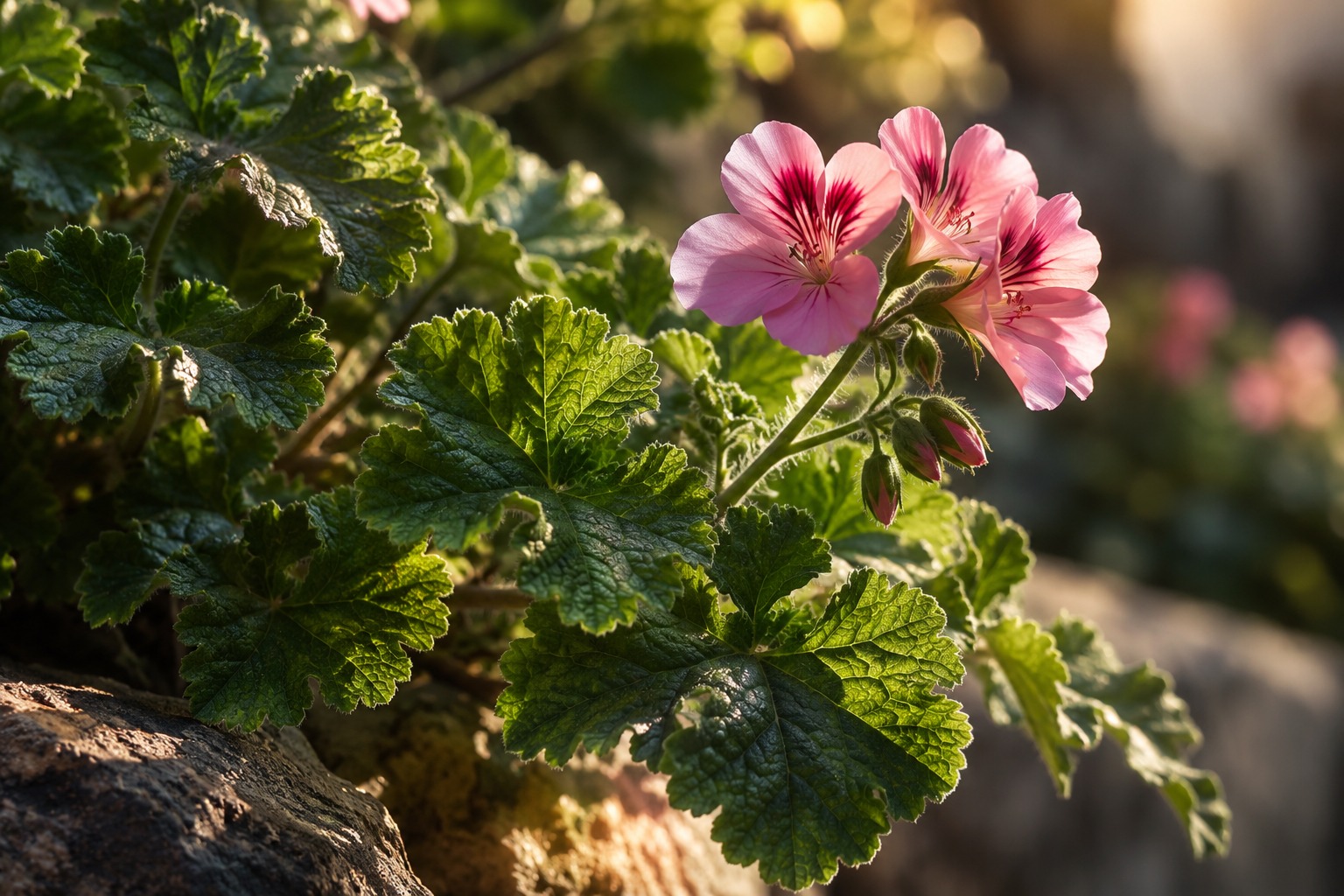
aromatic floral
Rosy but green, with herbal, citrus-like and sometimes minty facets.
Adds freshness and structure to floral hearts, spices and woods.
Rose geranium, Pelargonium graveolens, is a major perfumery type; the scented leaves are important.
Explore the source ↗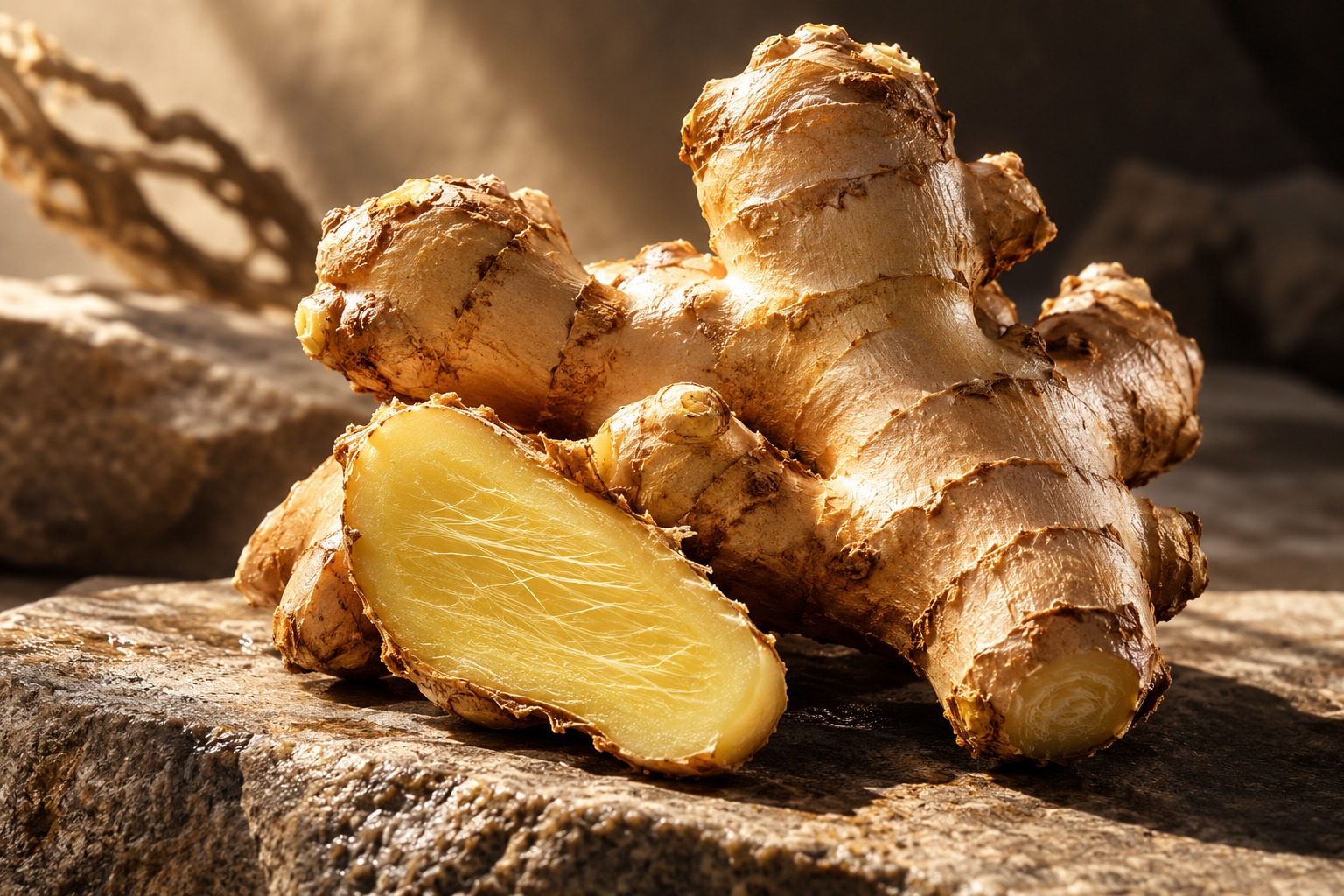
spicy
Fresh, sharp and aromatic, with a lively spicy tingle.
Adds energy to citrus and a fresh contrast to vanilla or woods.
Fragrant ginger oil can be distilled from the plant's rhizomes, the familiar part used in cooking.
Explore the source ↗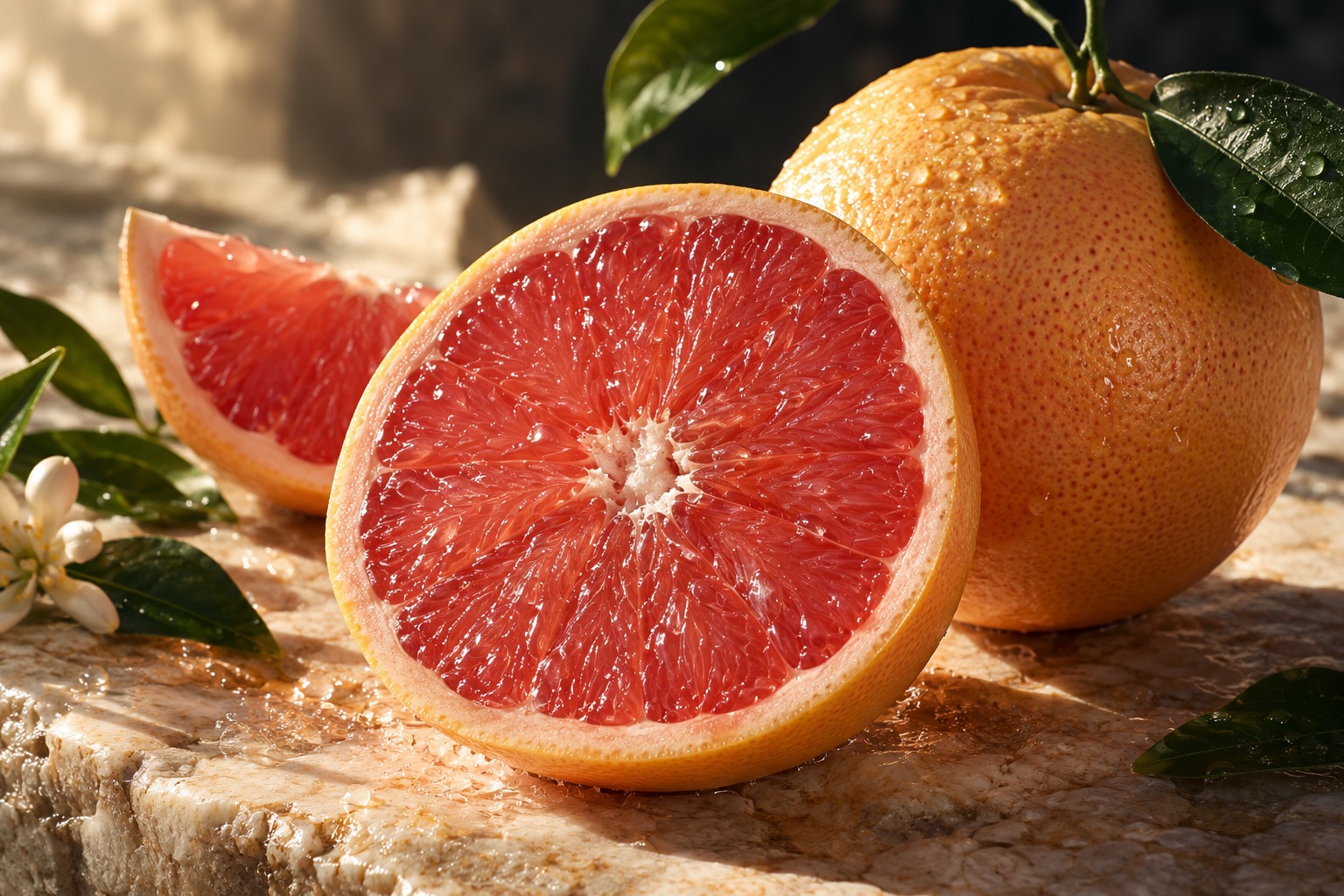
citrus
Tangy citrus with a dry, slightly bitter and aromatic peel character.
Adds a bracing opening and keeps sweeter blends feeling lively.
Grapefruit is related to pomelo and orange; its scent is often associated with the peel.
Explore the source ↗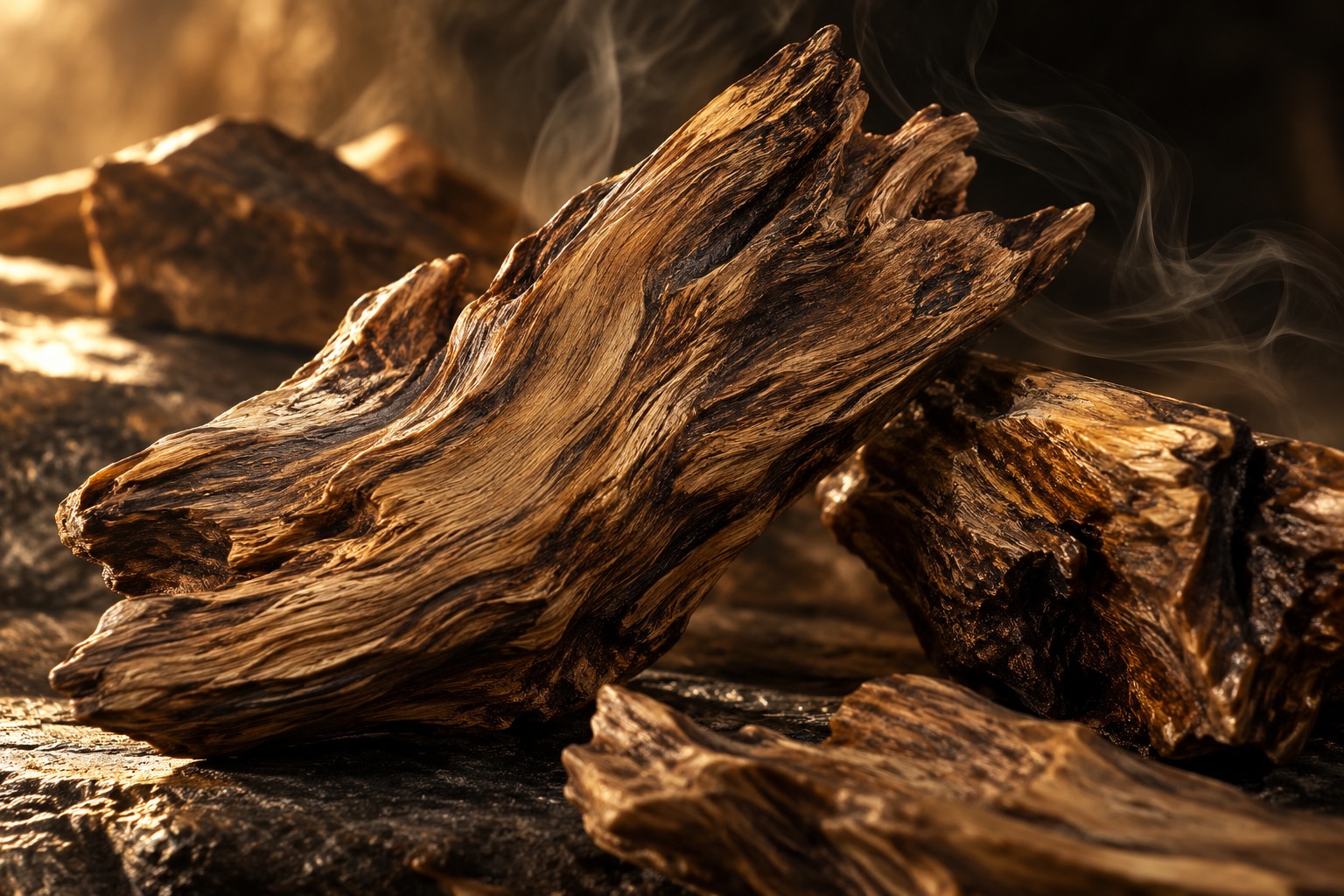
woody smoky
Deep smoky wood with tar-like, tobacco-like or burnt-leaf nuances.
Adds a darker woody texture and intrigue to a base.
Guaiac wood is associated with fragrant heartwood; it should not automatically be treated as oud or sandalwood.
Explore the source ↗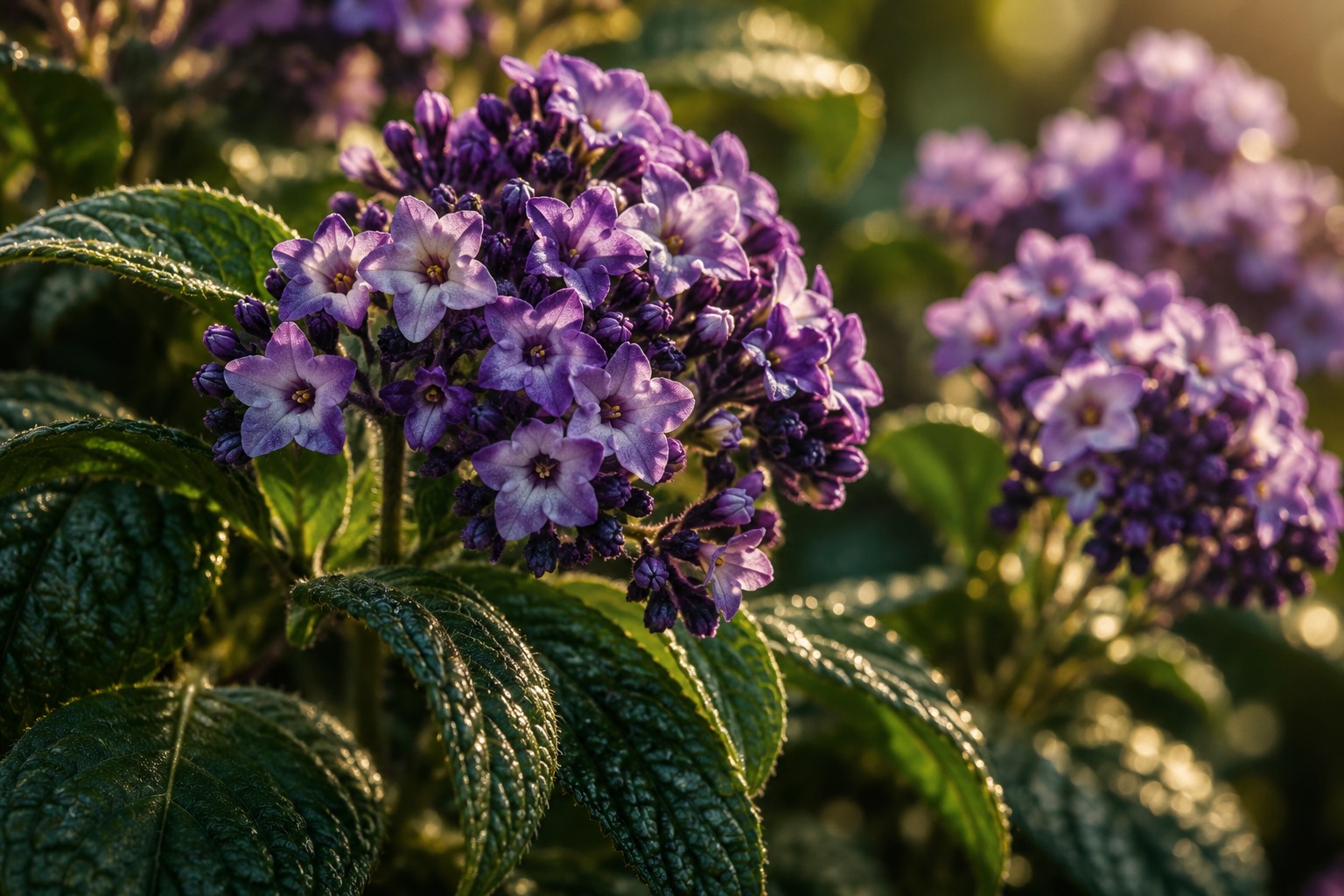
floral powdery
Soft powdery sweetness with almond-like or vanilla-like facets.
Adds a cushioned, cosmetic-like softness to flowers and gourmand blends.
Modern heliotrope effects commonly use heliotropin, also called piperonal, rather than relying on flower extract.
Explore the source ↗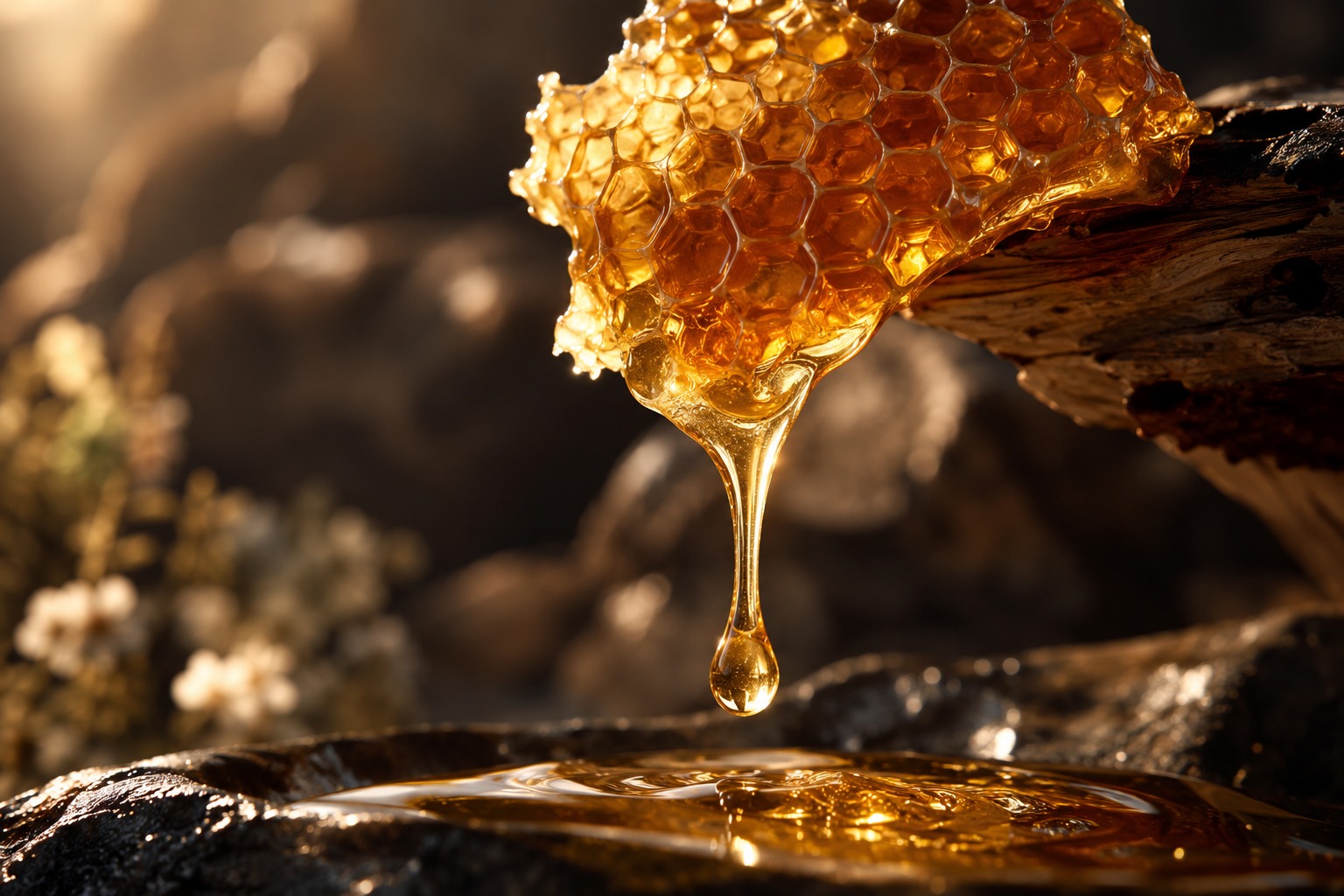
gourmand amber
Rich warm sweetness, sometimes floral, herbal, woody or slightly animalic.
Adds golden depth to florals, amber and gourmand blends.
The scent of honey varies with its floral origin; a honey note in modern perfume is commonly recreated.
Explore the source ↗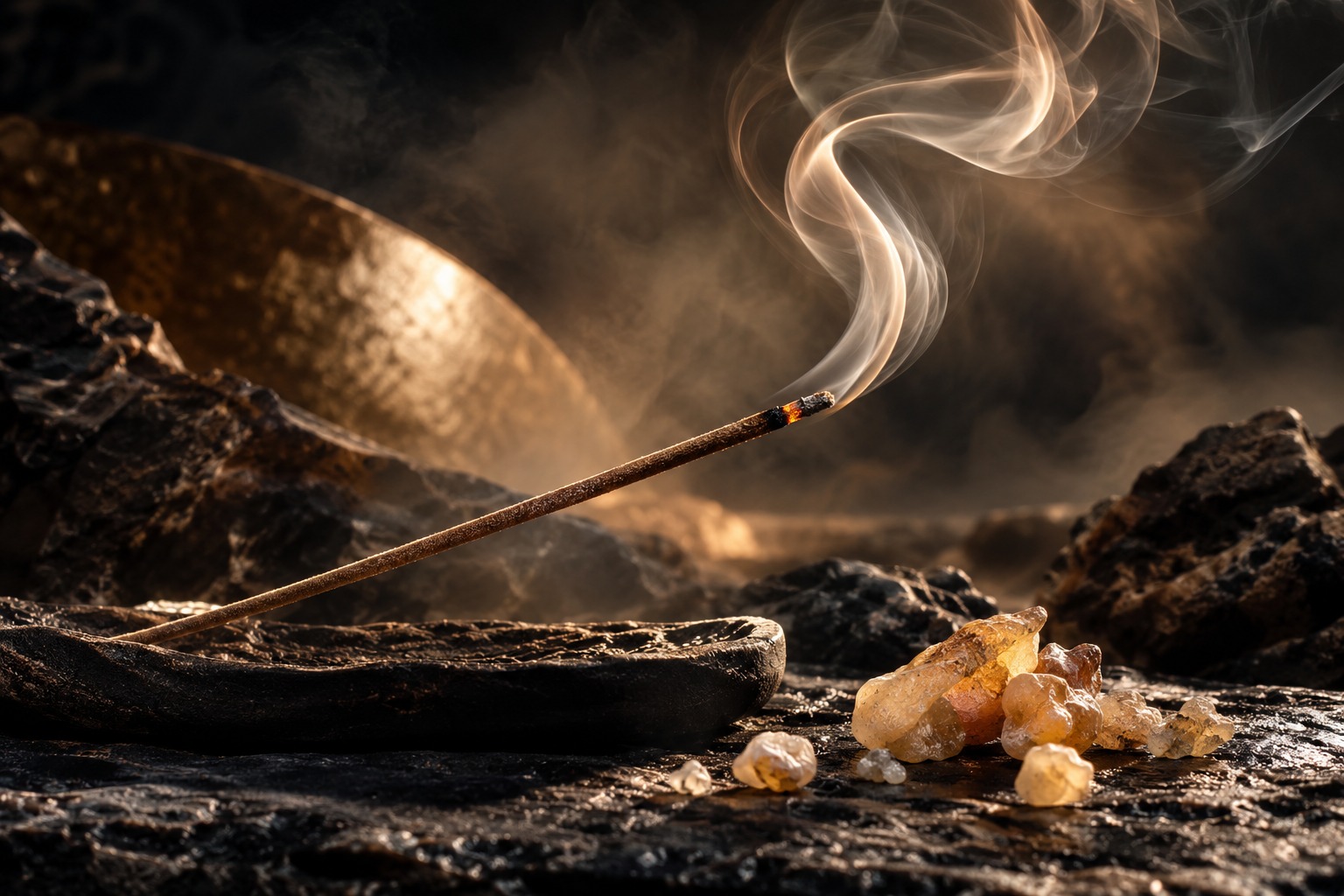
resinous smoky
Resinous, woody or gently smoky; some blends also reveal floral or spicy facets.
Adds atmosphere and depth beneath brighter fruit or floral notes.
Incense is a broad note label. It may involve frankincense, other resins or a constructed accord.
Explore the source ↗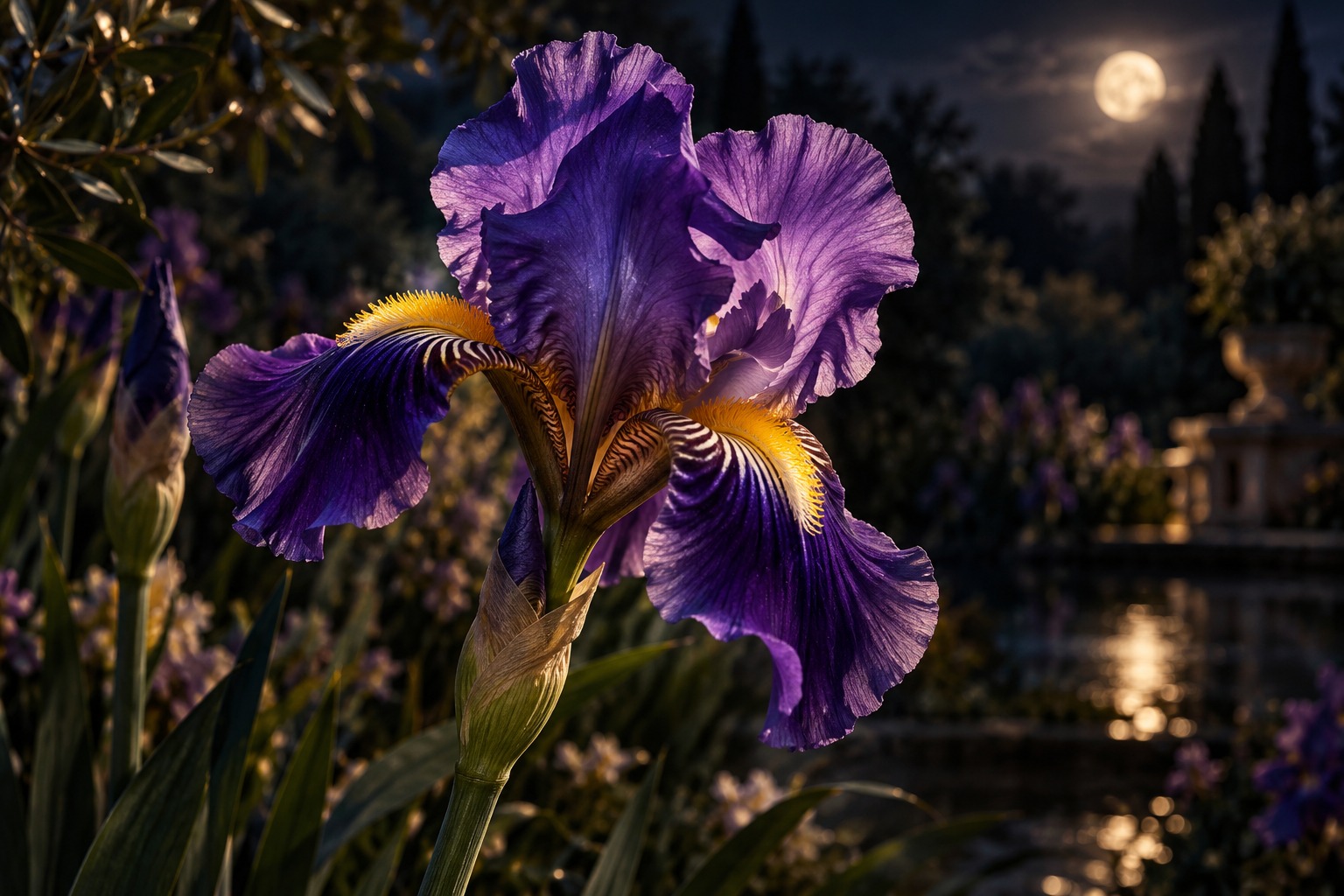
floral powdery
Soft and powdery, with a smooth floral impression that can feel velvety.
Adds refined softness and a drier counterpoint to sweetness.
The prized natural iris material comes from matured rhizomes, known as orris, rather than simply the petals.
Explore the source ↗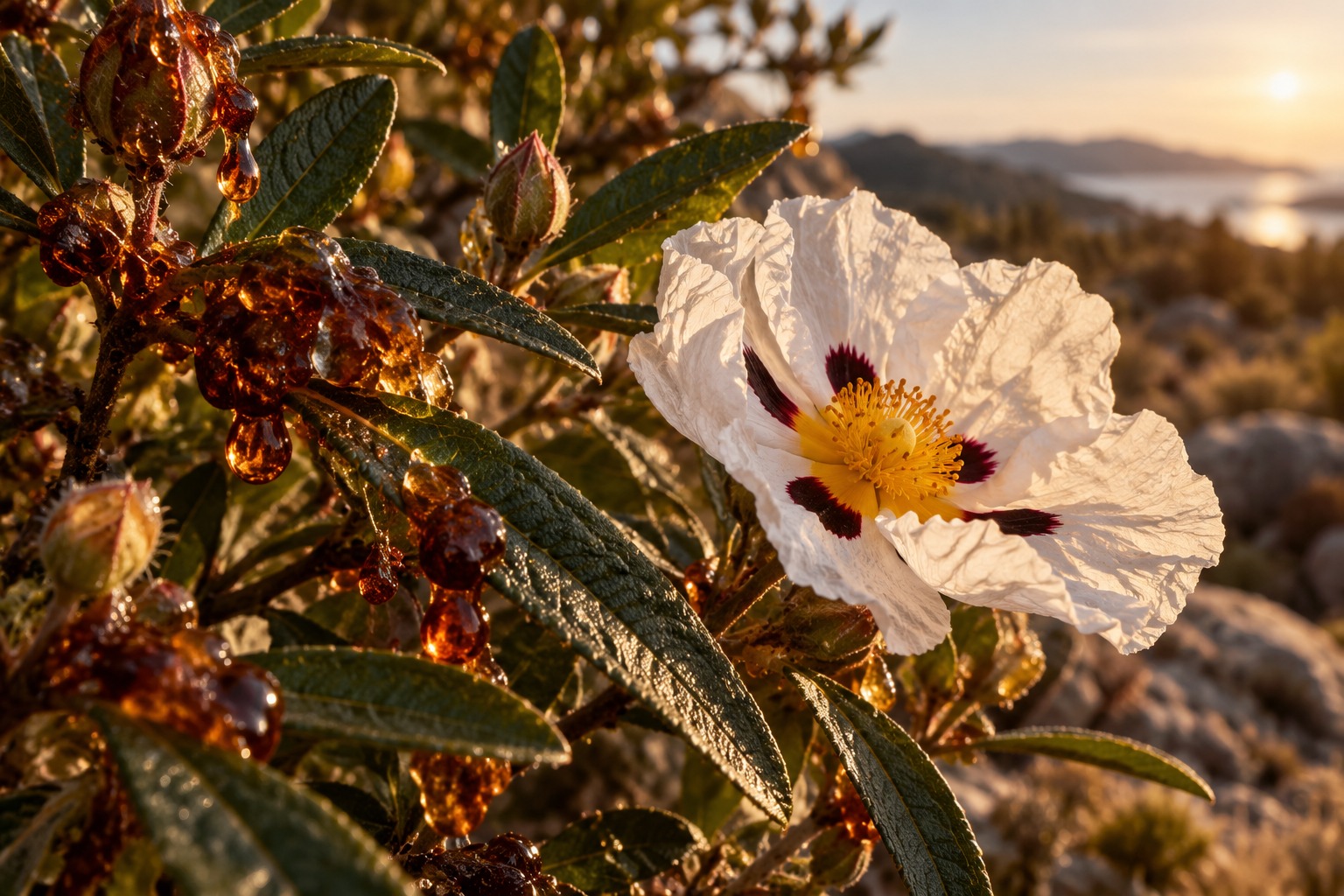
amber resinous
Warm, complex resin with honeyed, leathery and softly fruity facets.
Adds a rich amber-like depth and helps round out a blend.
Labdanum comes from the sticky resin of Cistus shrubs and has a long history in incense and perfumery.
Explore the source ↗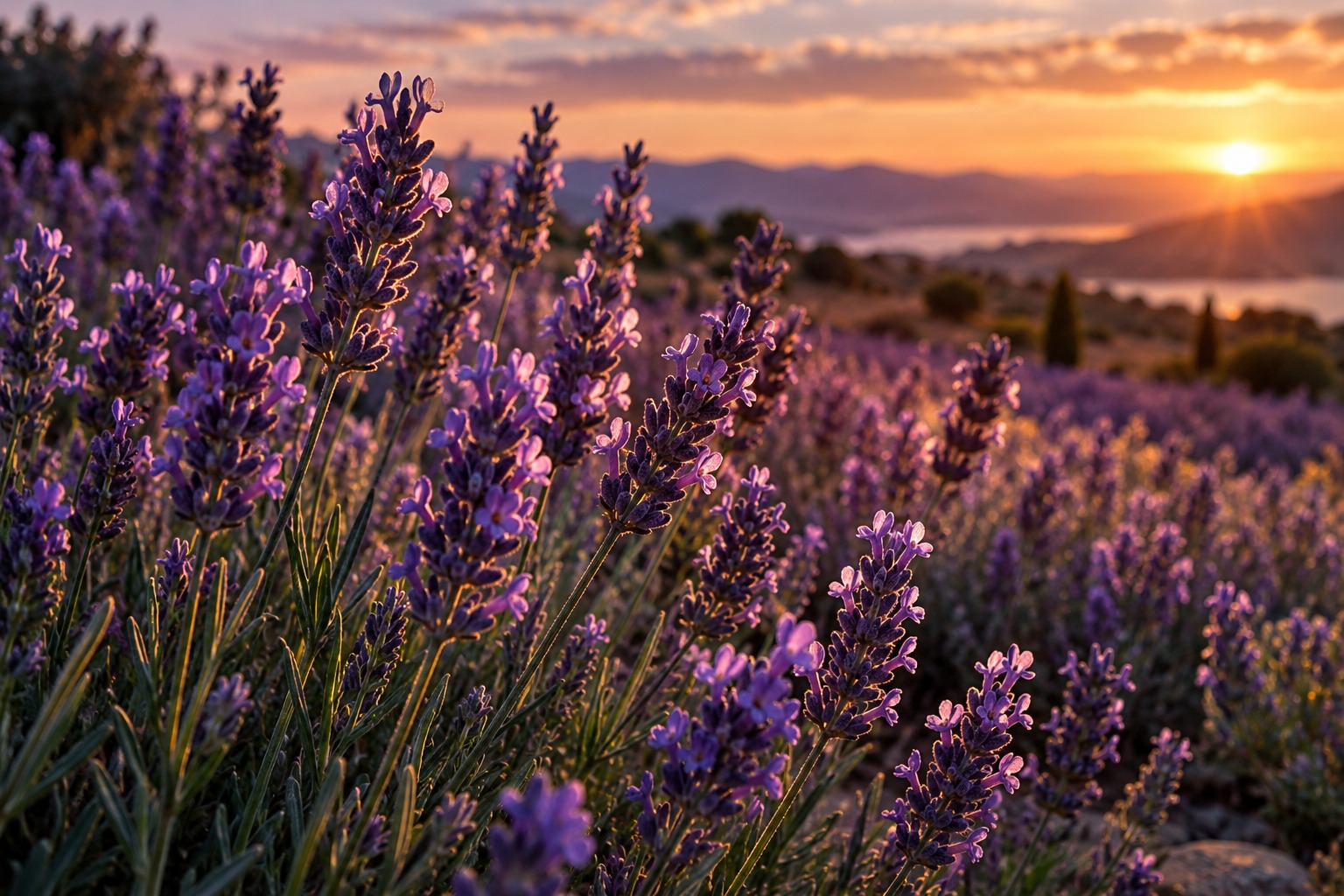
aromatic
Herbal and aromatic, ranging from soft floral freshness to sharper camphorous tones.
Brings an airy herbal lift to citrus, woods and sweeter notes.
Several lavender species and the lavandin hybrid are used in perfumery; their scent profiles differ.
Explore the source ↗
leather
A skin-like, suede-like or smoky leather impression, depending on the blend.
Adds texture and a darker contrast that can make floral notes stand out.
Leather is generally a constructed perfume accord, rather than an essential oil extracted from leather.
Explore the source ↗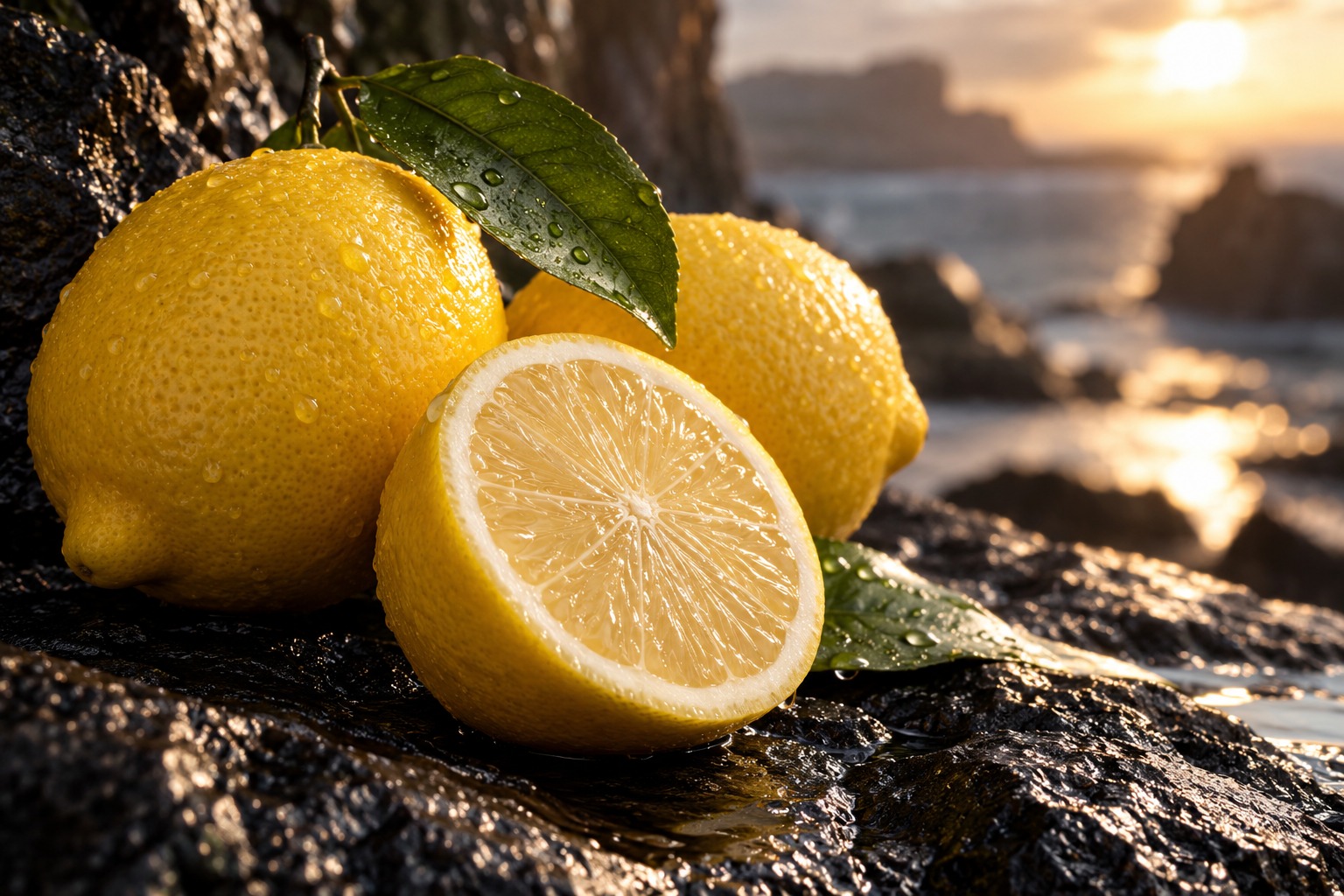
citrus
Sharp, sparkling citrus with a clean peel-like freshness.
Cuts through richer sweetness and brightens floral or woody compositions.
Lemon oil is commonly cold-pressed from the peel, capturing much of its familiar zest.
Explore the source ↗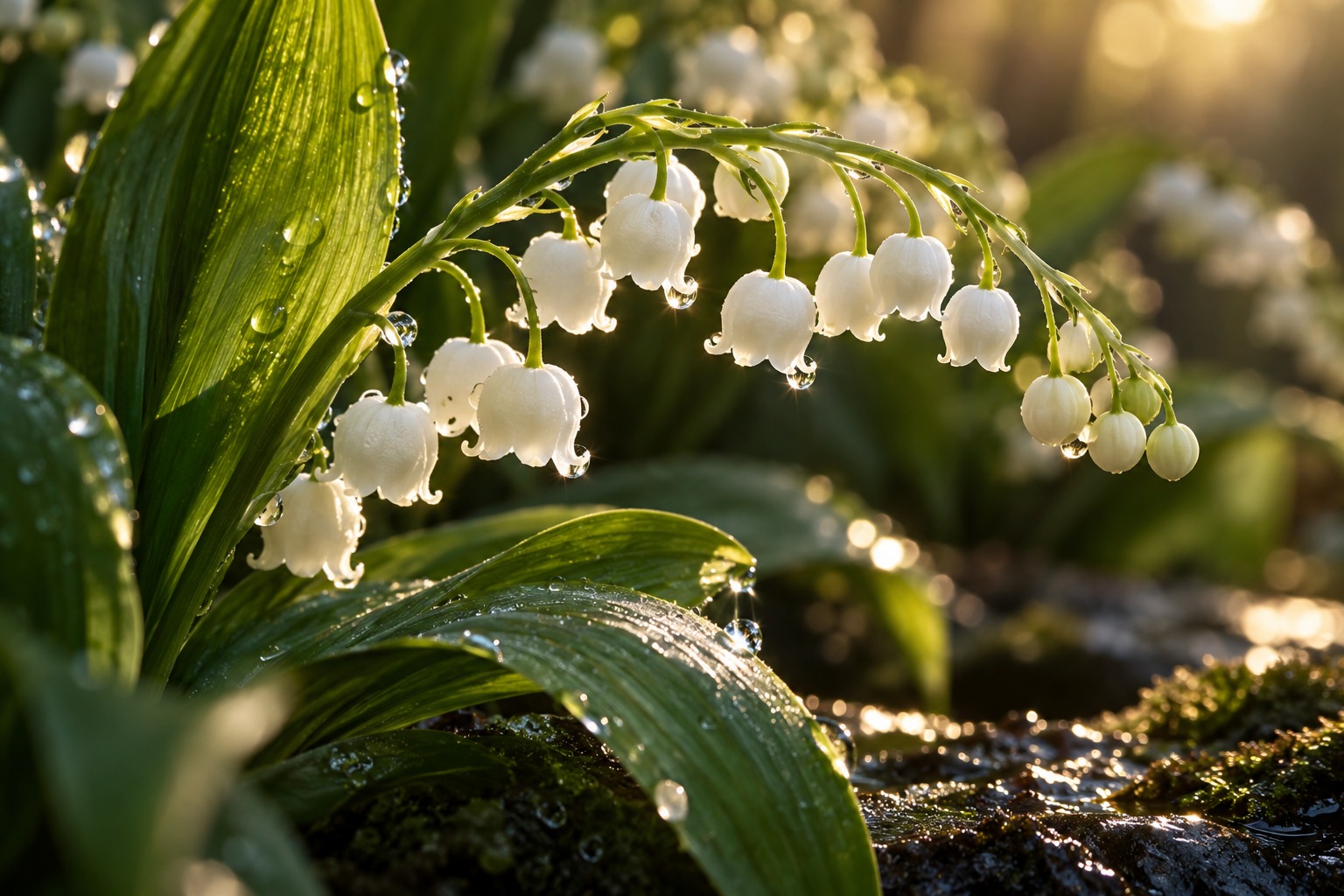
floral fresh
Fresh green flowers with a soft sweetness and a light citrus-like edge.
Adds an airy spring-like lift to a floral heart.
Also called muguet, this flower's perfume effect is generally recreated with a blend of aroma materials.
Explore the source ↗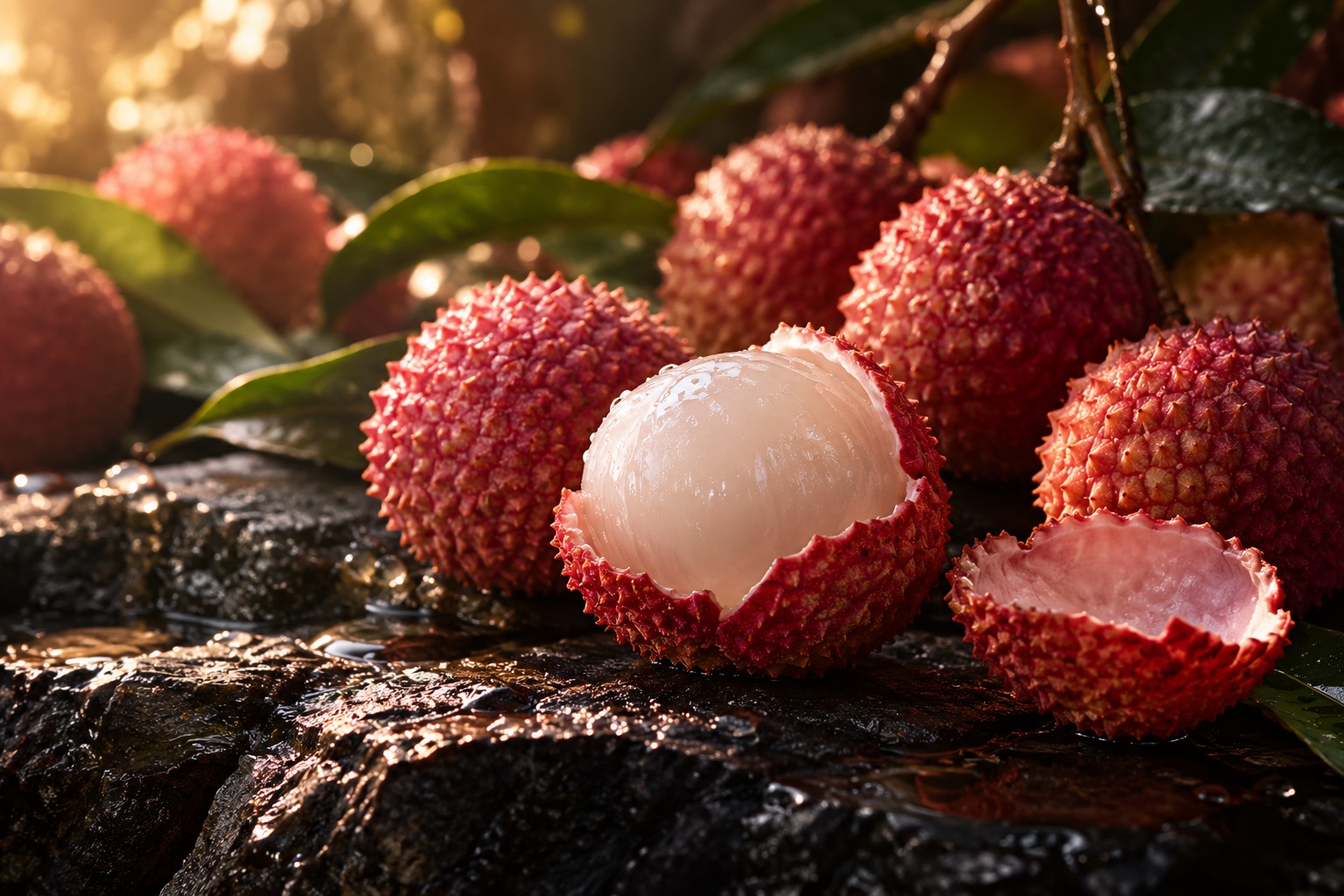
fruity
A light, juicy tropical-fruit impression with a fresh sweetness.
Adds a bright fruit accent that can lift rose and other floral notes.
Lychee is commonly used as a recreated scent accord, rather than as a conventional essential oil.
Explore the source ↗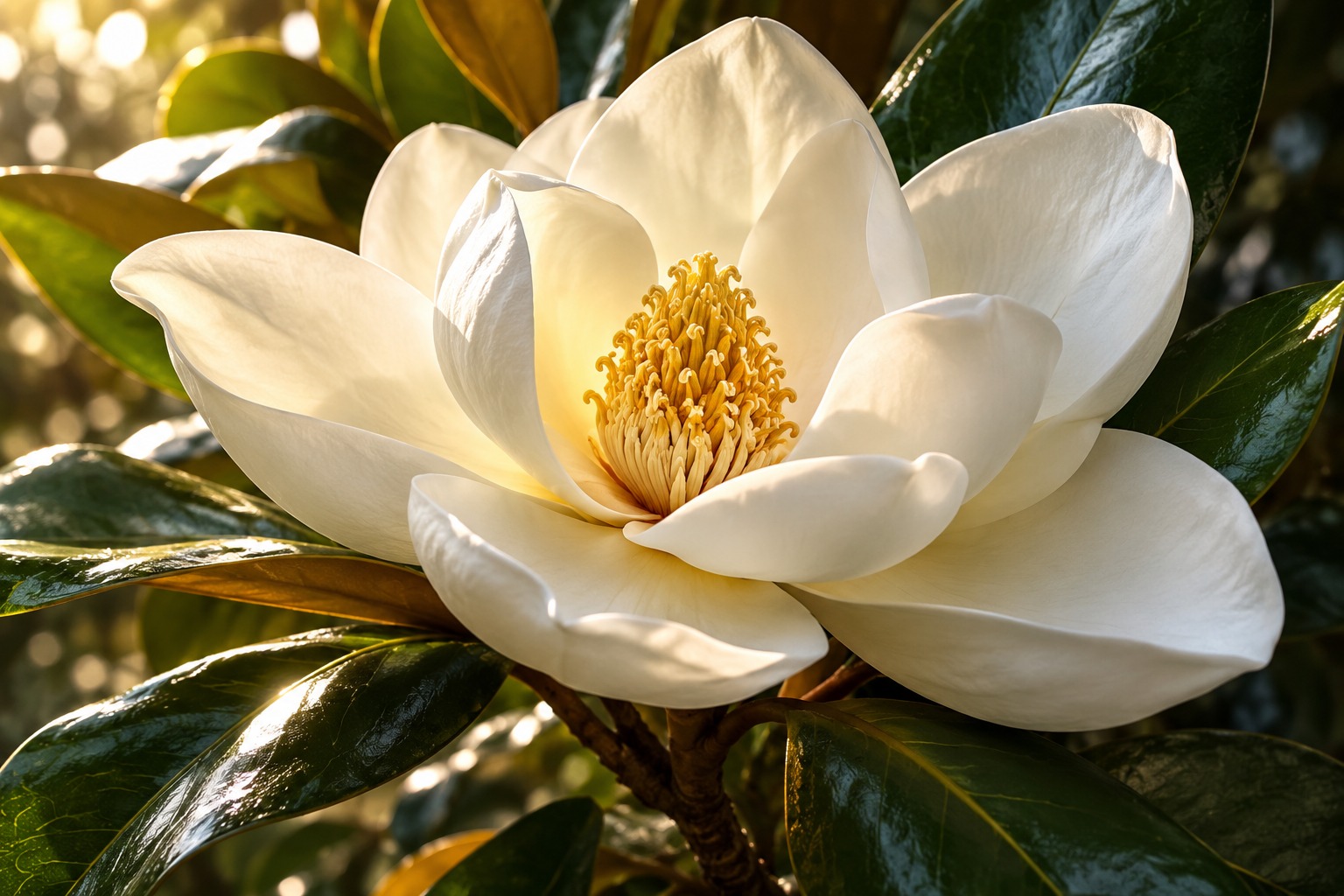
floral fresh
Creamy white-floral sweetness with a fresh, slightly citrus-like edge.
Adds rounded petals and brightness together, softening richer floral hearts.
Magnolia grandiflora is among the varieties prized for scent; different magnolia flowers have different aromas.
Explore the source ↗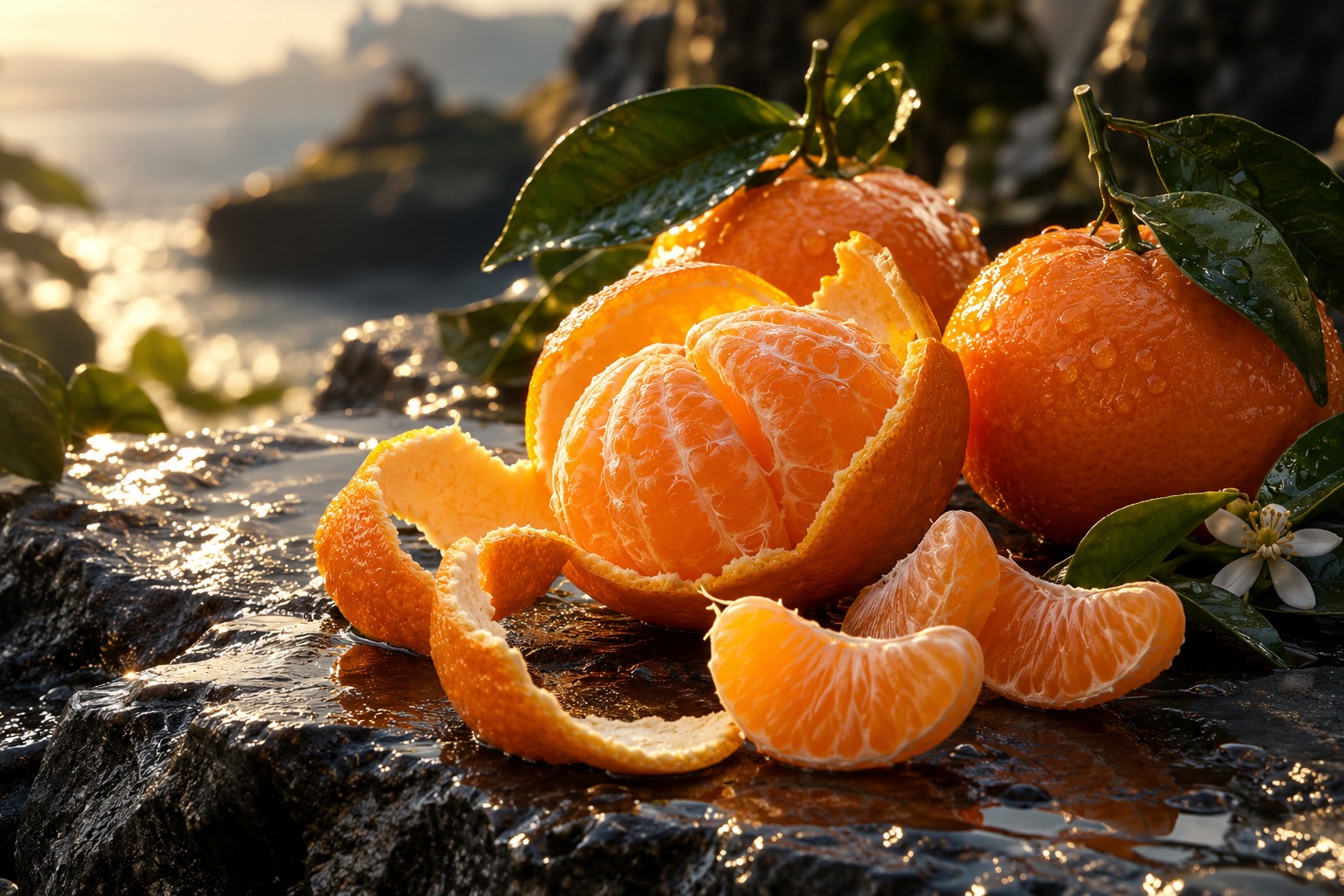
citrus
Sweet citrus zest, softer and fruitier than lemon.
Adds a bright, juicy opening and a gentle lift to floral or spicy blends.
The fragrant oil is obtained from the fruit's peel; mandarin and orange blossom are different notes.
Explore the source ↗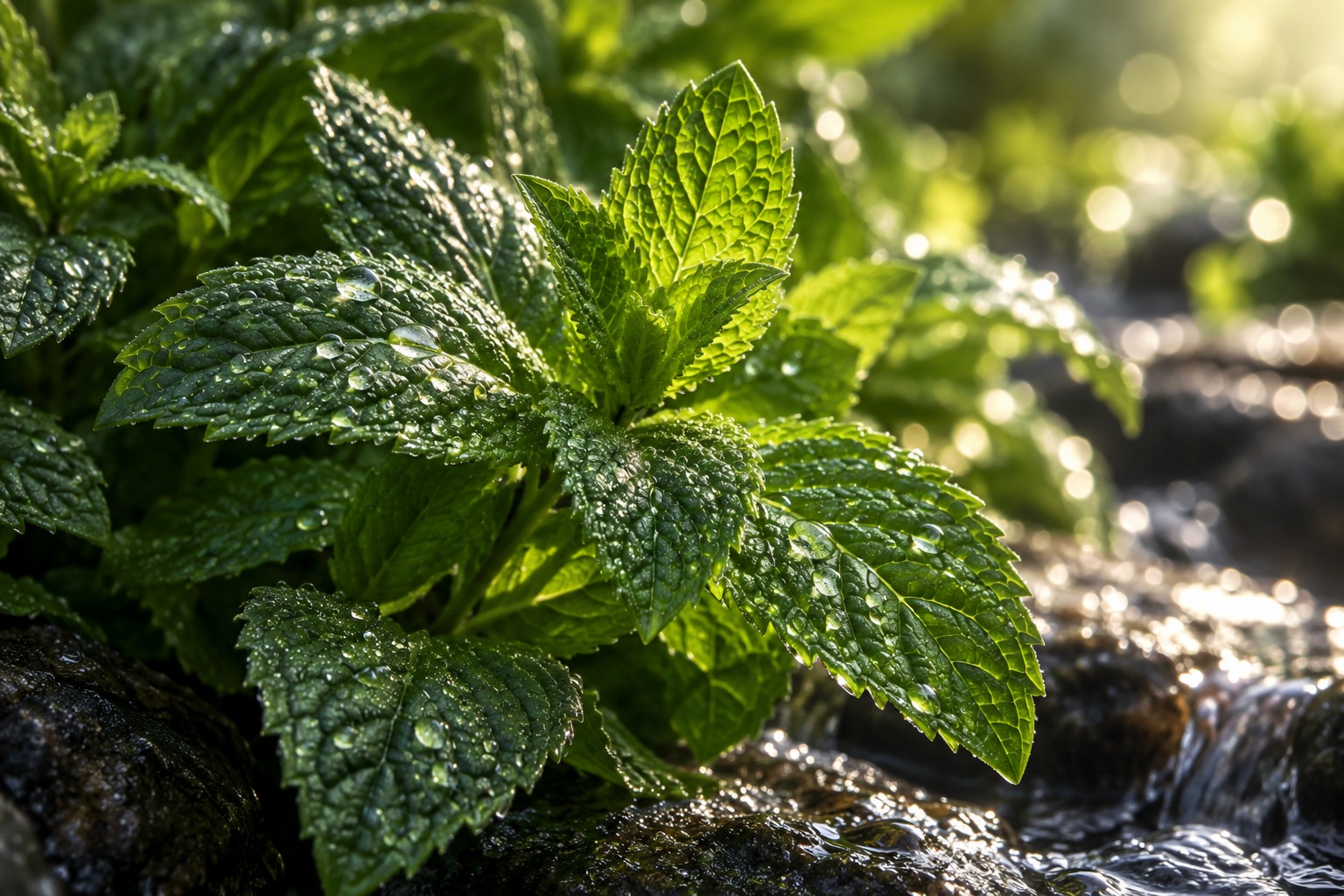
aromatic fresh
Cool, green and immediately refreshing, with a crisp herbal character.
Adds an invigorating lift and a cool contrast to sweeter or warmer notes.
Different mint varieties have different scent profiles; a note listing does not identify the exact botanical material.
Explore the source ↗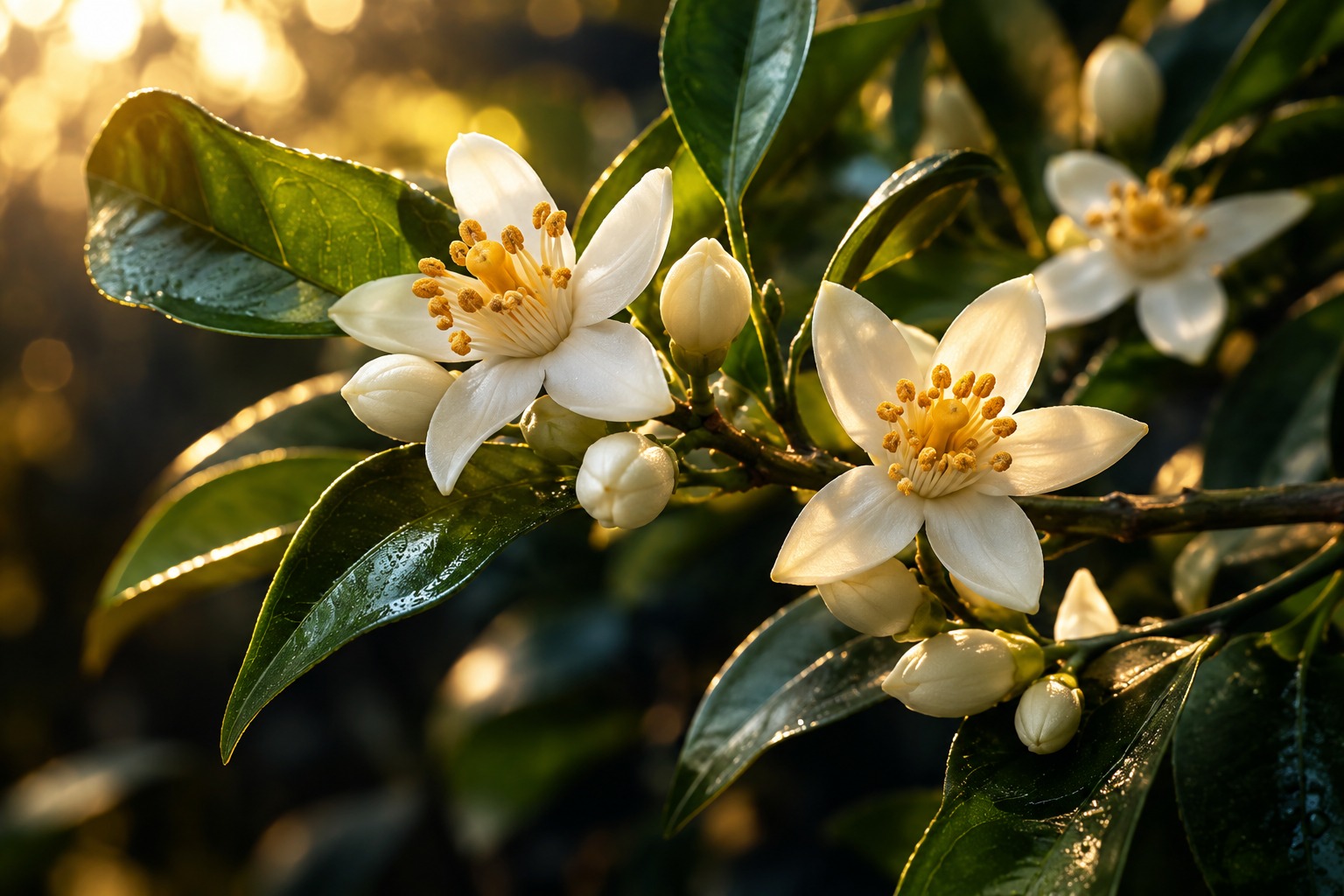
floral citrus
An airy orange-flower impression, green and citrus-like with a hint of honey.
Brings floral freshness and a delicate lift to cologne-style or white-floral blends.
Neroli is steam-distilled from bitter-orange flowers; orange blossom absolute is typically richer and sweeter.
Explore the source ↗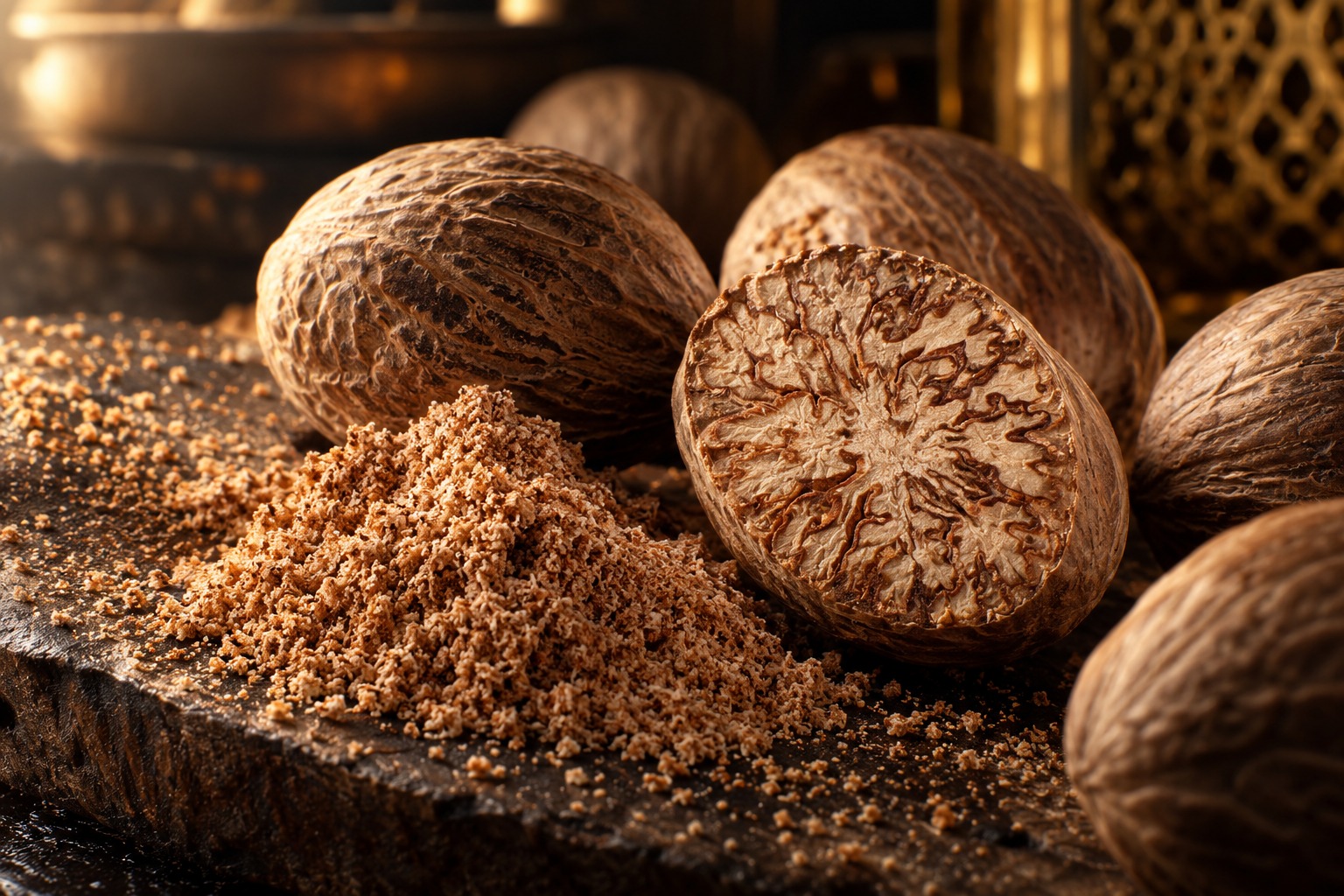
spicy
Warm aromatic spice, with a fresh citrus-like lift and woody undertones.
Adds dry spicy warmth to citrus, woods and amber blends.
Nutmeg essential oil is distilled from the nuts of Myristica fragrans; this note differs from cinnamon or cardamom.
Explore the source ↗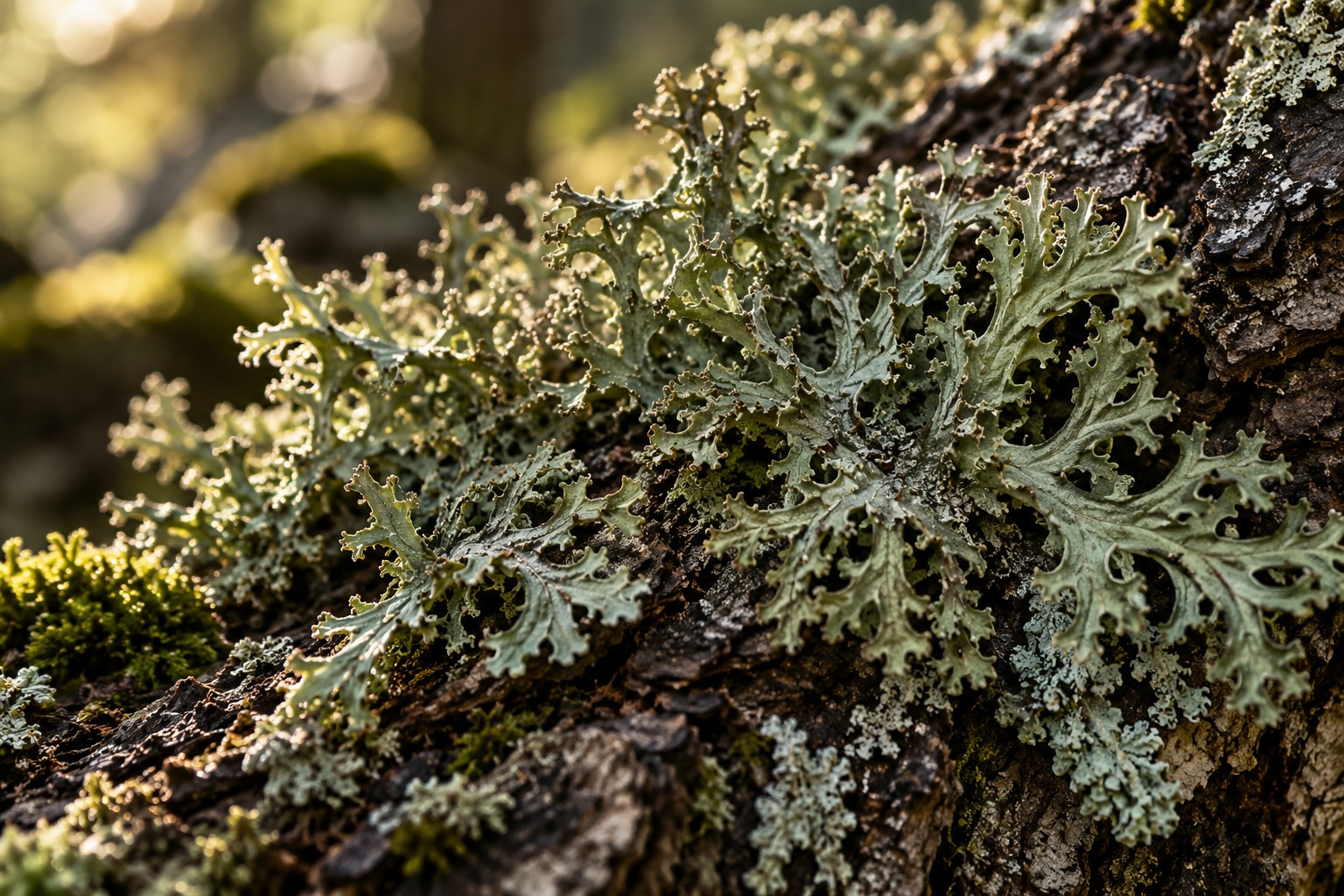
woody green
Earthy and mossy, with damp-woodland, woody and softly musky nuances.
Creates a drier, grounded background for citrus and floral notes.
The natural material comes from a lichen rather than ordinary garden moss; perfume accords may recreate its character.
Explore the source ↗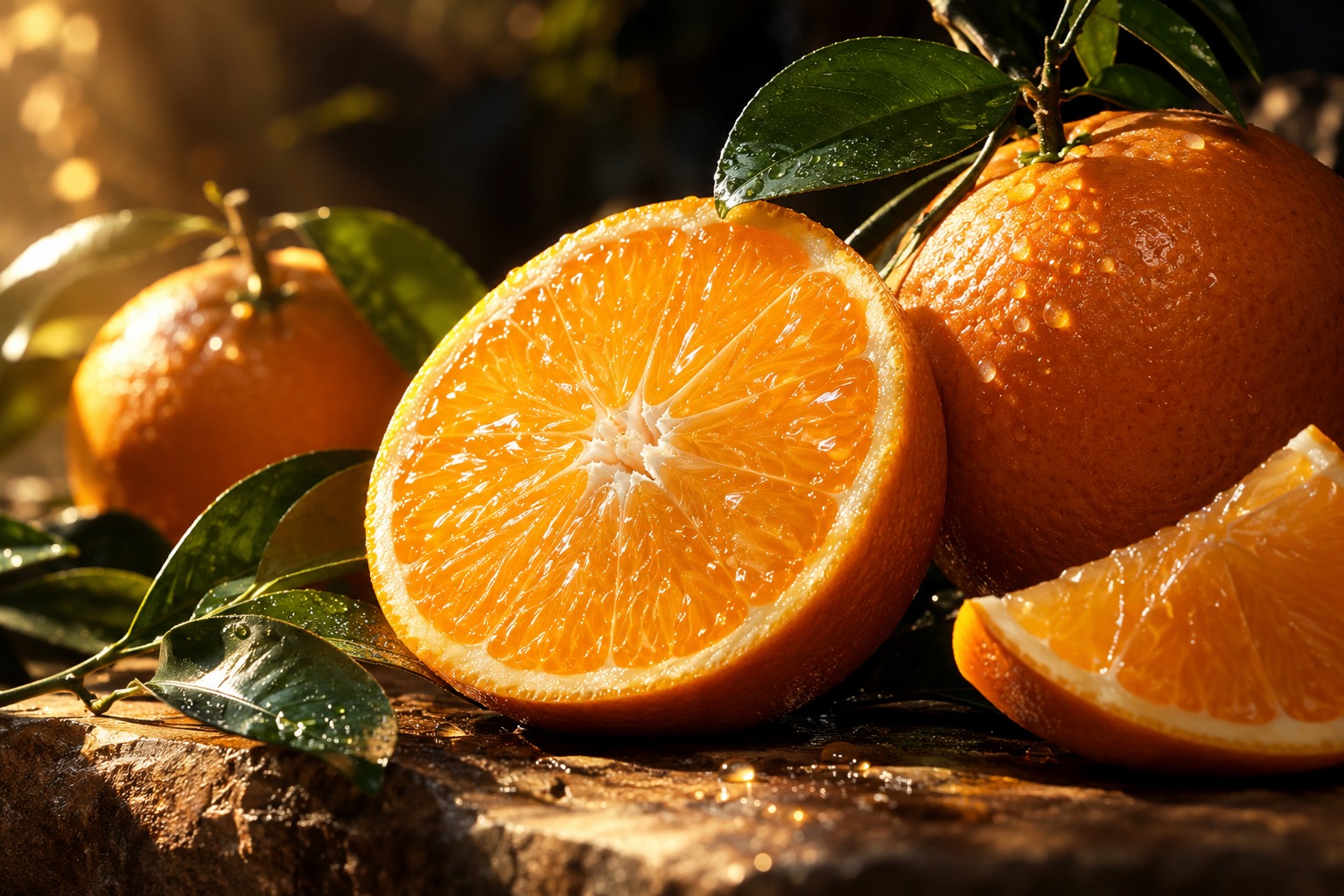
citrus
Sweet, juicy citrus with the familiar brightness of freshly opened peel.
Brings a cheerful, rounded opening with less sharpness than lemon.
Sweet-orange peel oil differs from bitter orange, orange blossom and petitgrain.
Explore the source ↗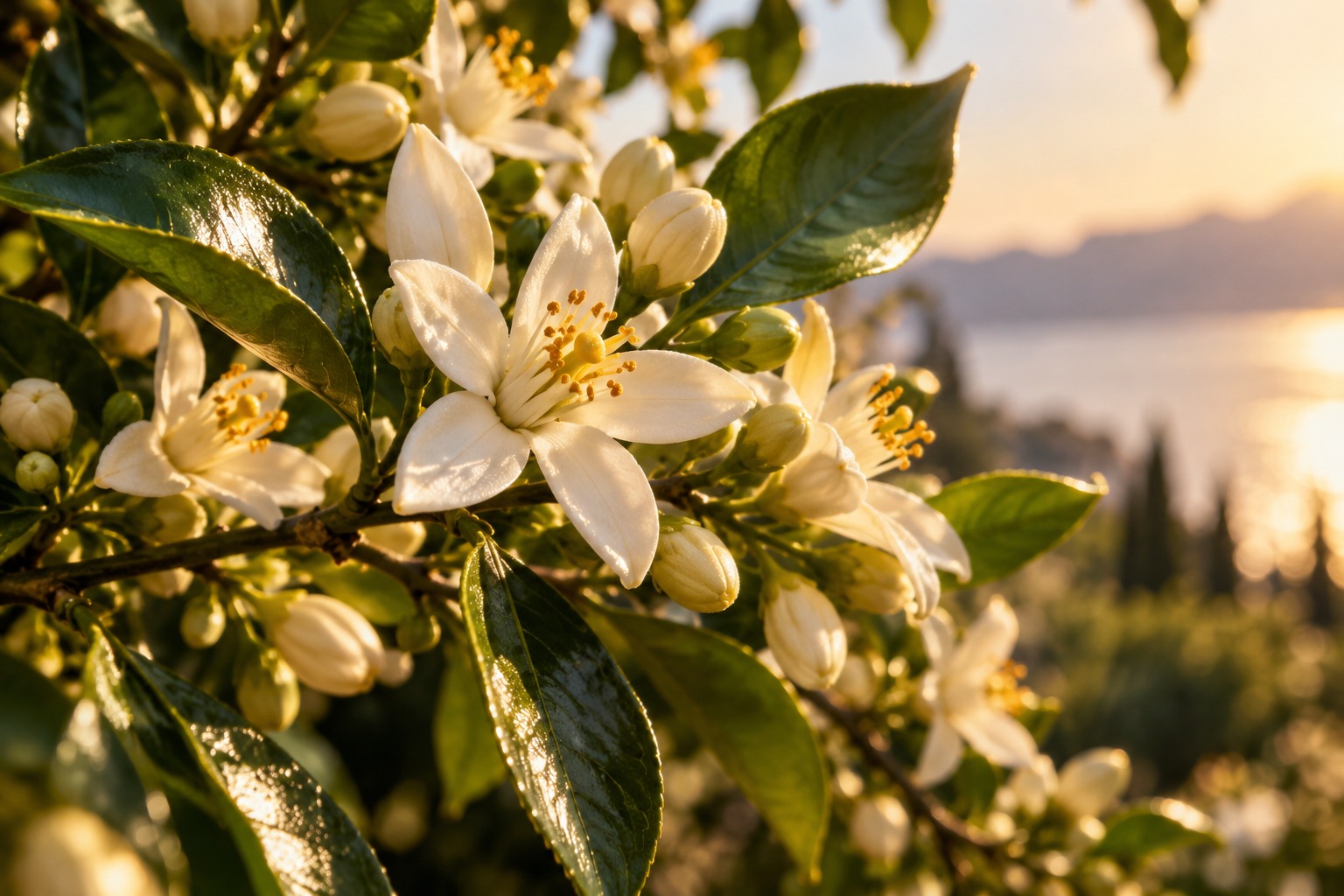
floral
A rich white floral, sweet and heady with a soft citrus connection.
Adds floral fullness and a warm, luminous heart.
Orange blossom absolute and neroli come from bitter-orange flowers, but different extraction methods give different scents.
Explore the source ↗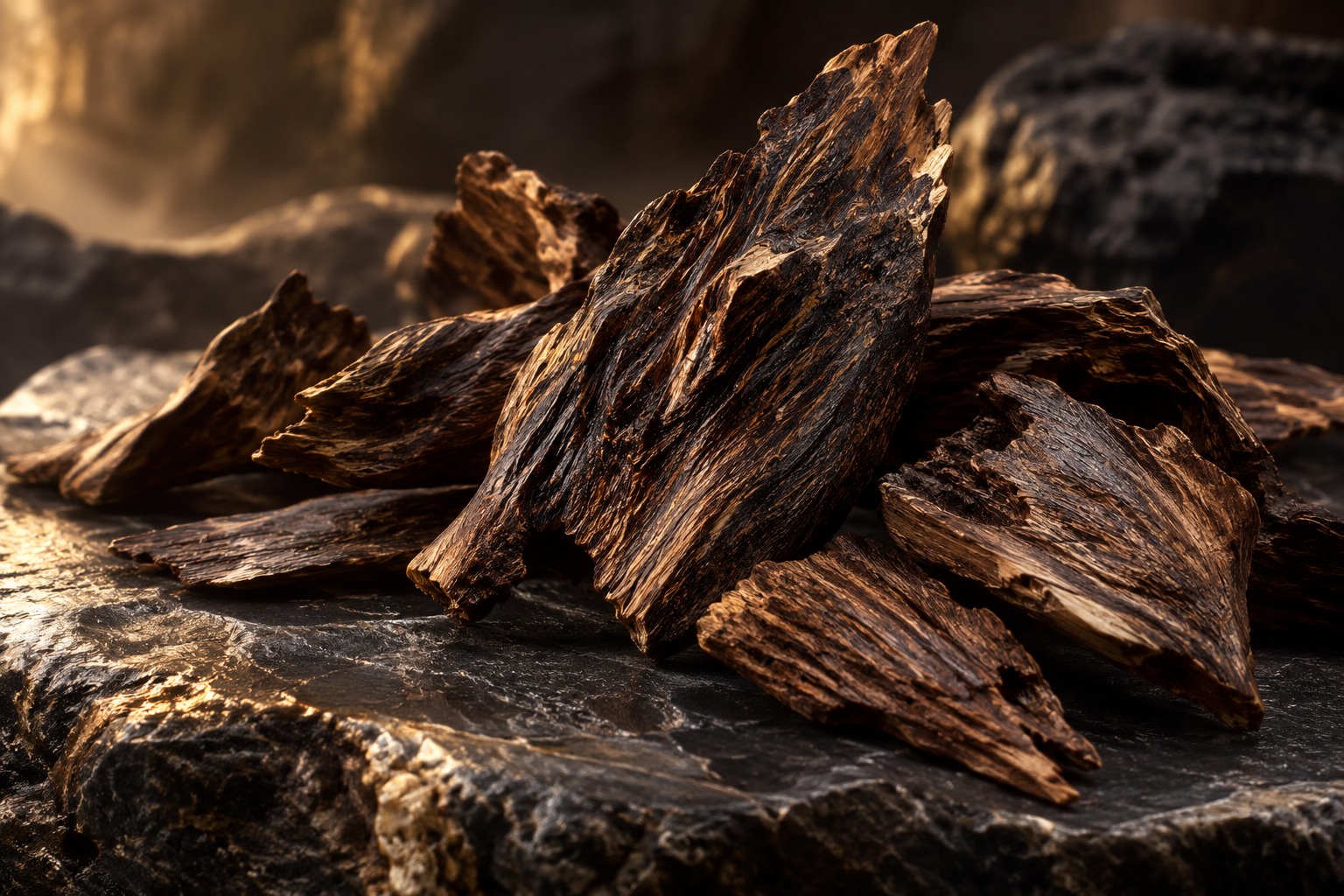
woody
A deep resinous wood impression that can feel smoky, leathery or animalic.
Brings powerful character and depth, contrasting with rose, spice or sweeter notes.
Natural oud comes from resin-bearing agarwood. Modern perfumes may also recreate its effect with an accord.
Explore the source ↗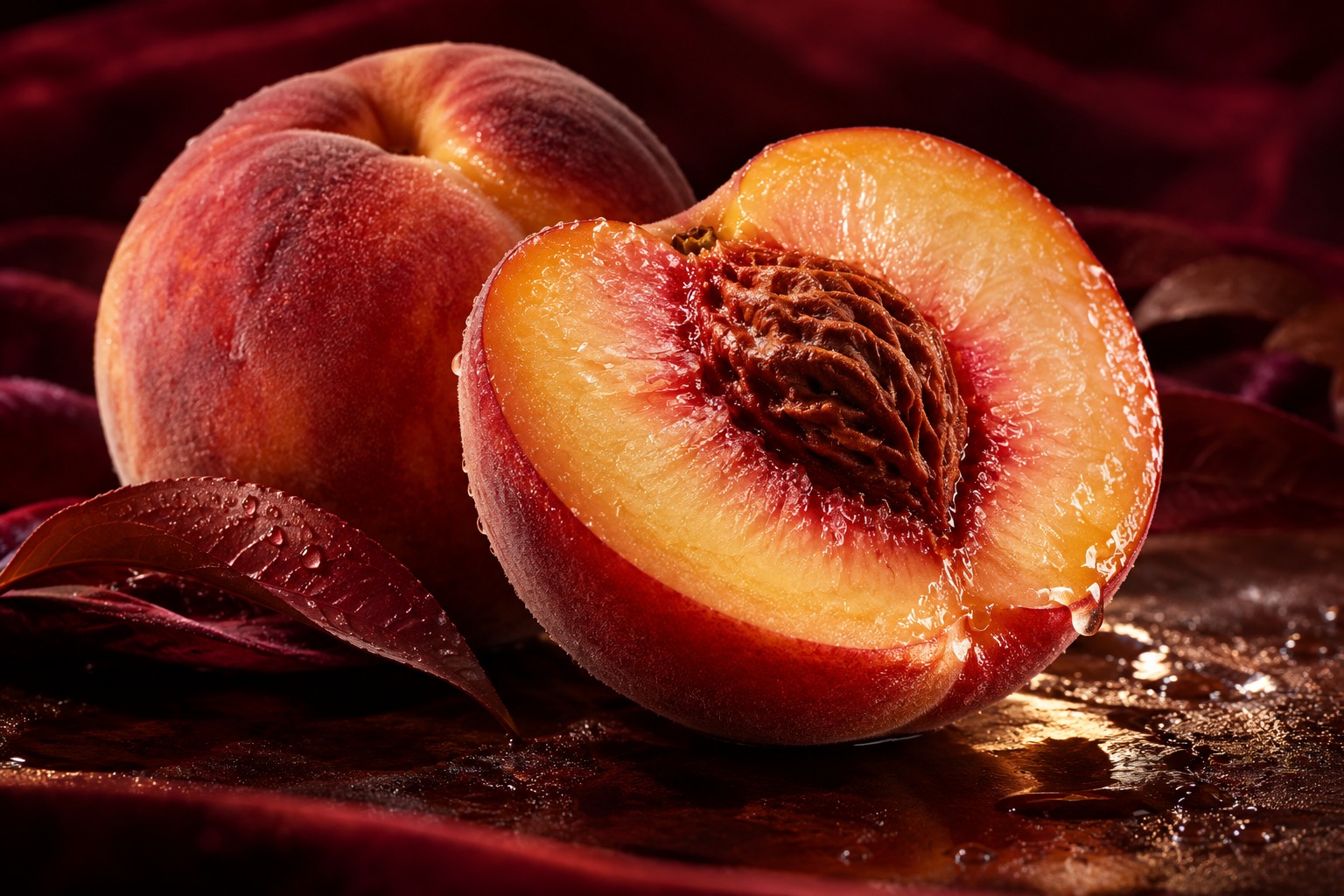
fruity
Soft, ripe fruit with a velvety, rounded sweetness.
Adds a plush fruity texture to flowers and creamy compositions.
Peach effects in modern perfumes are often recreated accords; the note is not a full ingredient declaration.
Explore the source ↗fruity
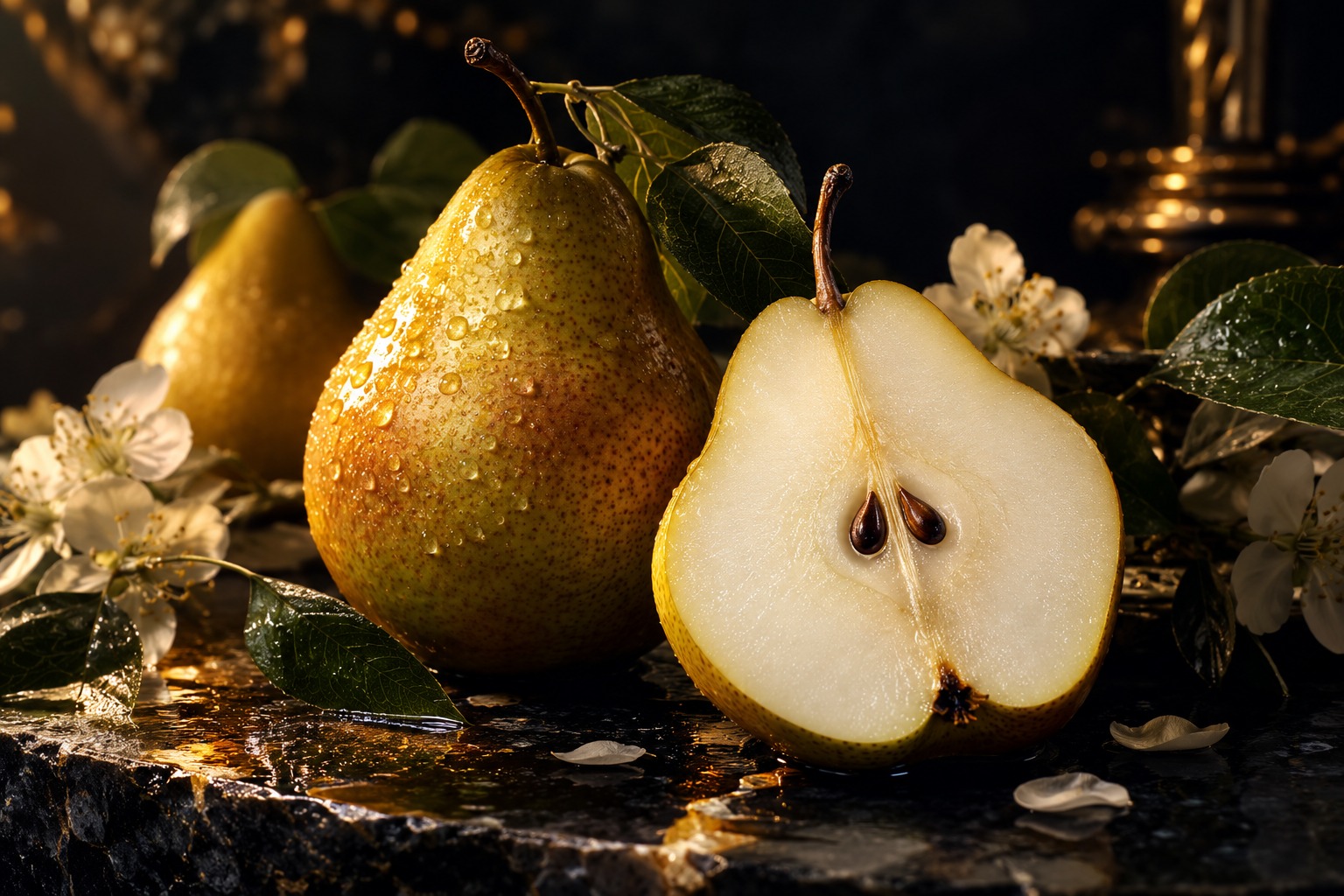
A light, juicy fruit impression with a crisp green freshness.
Softens floral blends with fruitiness without necessarily feeling heavy or jammy.
Pear is usually presented as a recreated fruit accord rather than a conventional essential oil.
Explore the source ↗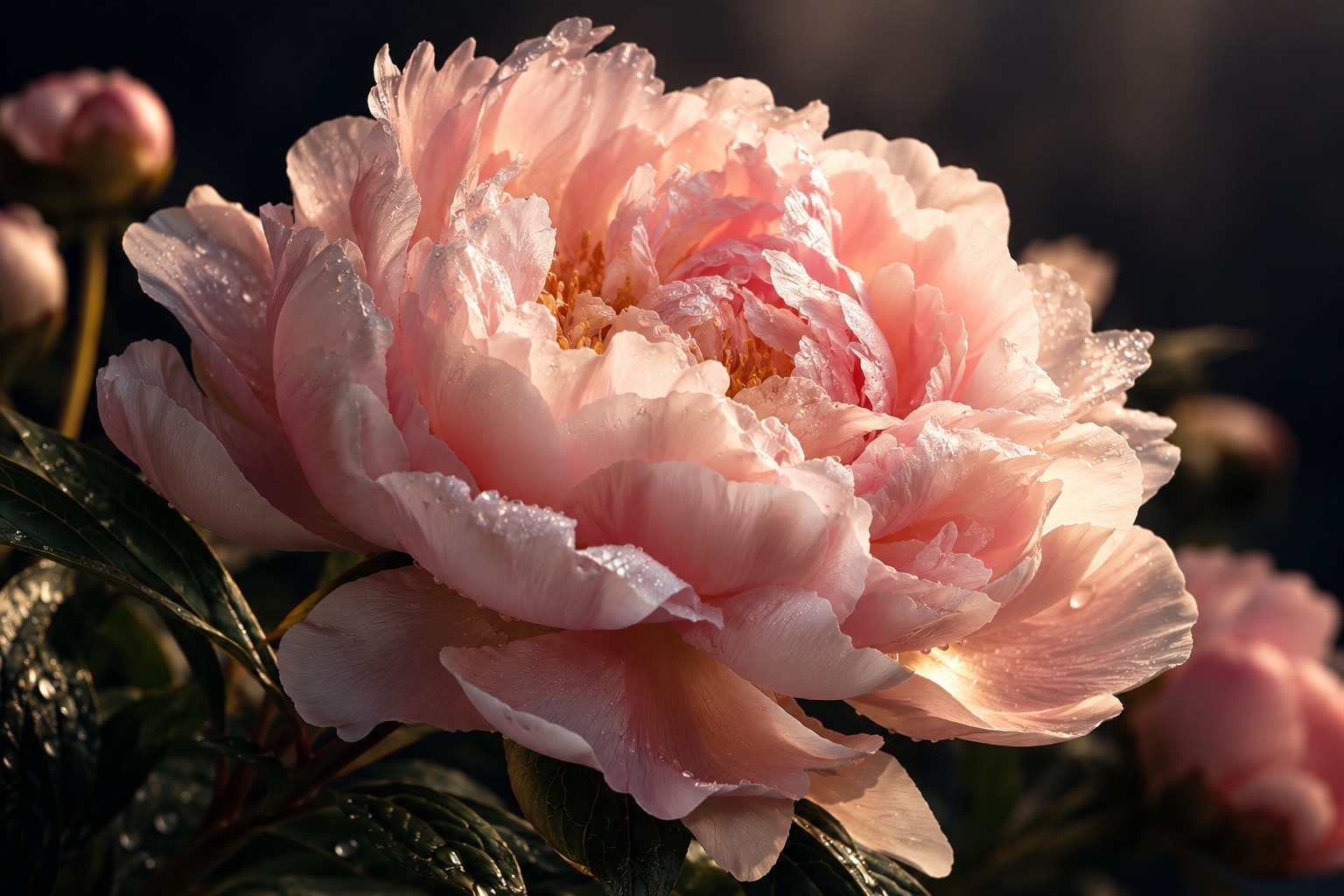
floral fresh
A light, fresh floral impression with a soft rosy character.
Adds a sheer, petal-like heart rather than a heavy white-floral effect.
Peony effects in perfume are often recreated accords; the pictured bloom illustrates the scent reference.
Explore the source ↗
fruity
Bright tropical fruit with a juicy sweetness and a tangy edge.
Adds a playful, mouthwatering contrast to woods, moss or fresh notes.
Modern pineapple effects are commonly recreated accords rather than conventional fruit essential oils.
Explore the source ↗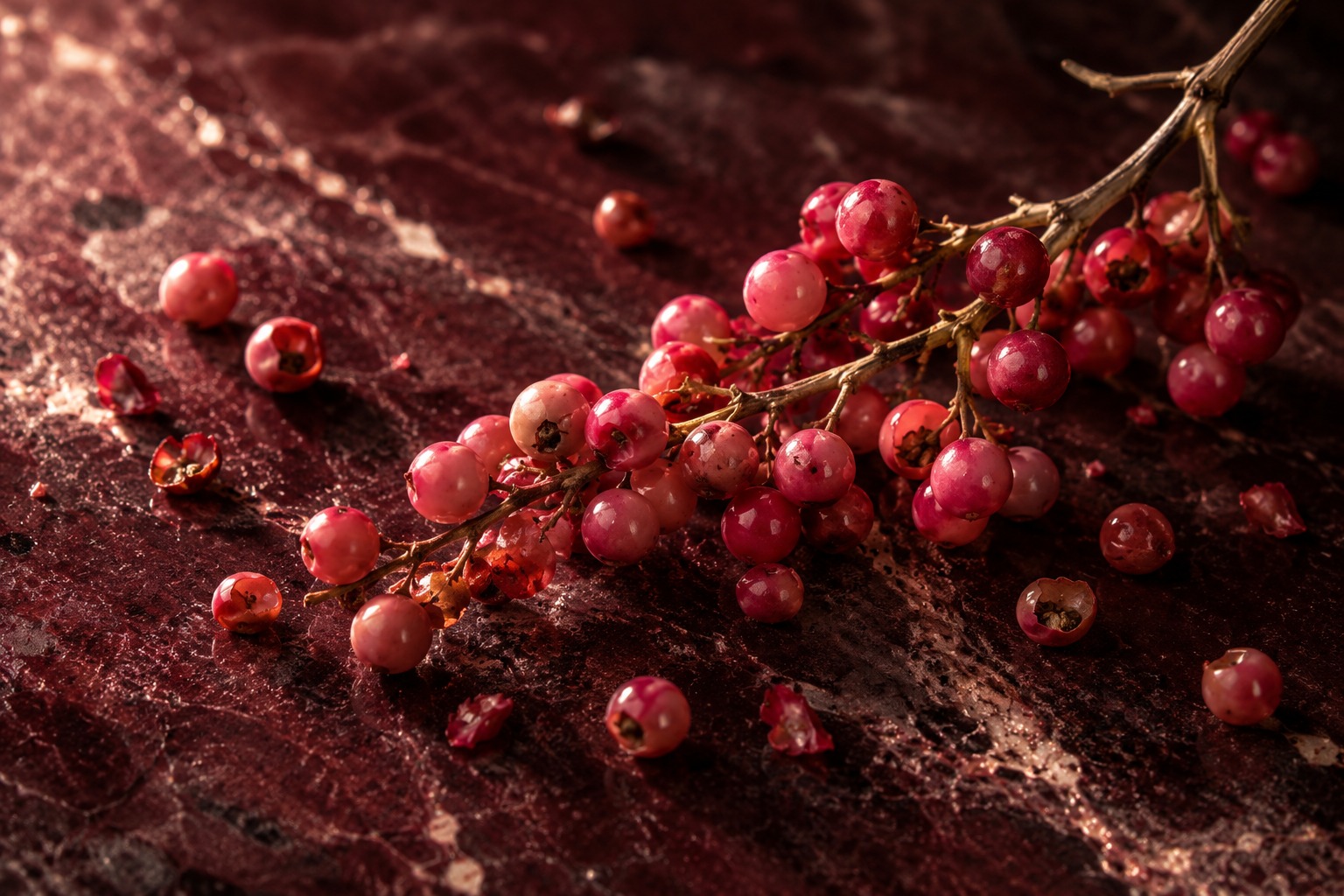
spicy
Bright and gently spicy, with rosy, woody and citrus-like facets.
Adds sparkle and a lively contrast to softer flowers or creamy bases.
Pink pepper comes from Schinus trees, rather than the vine that supplies black pepper.
Explore the source ↗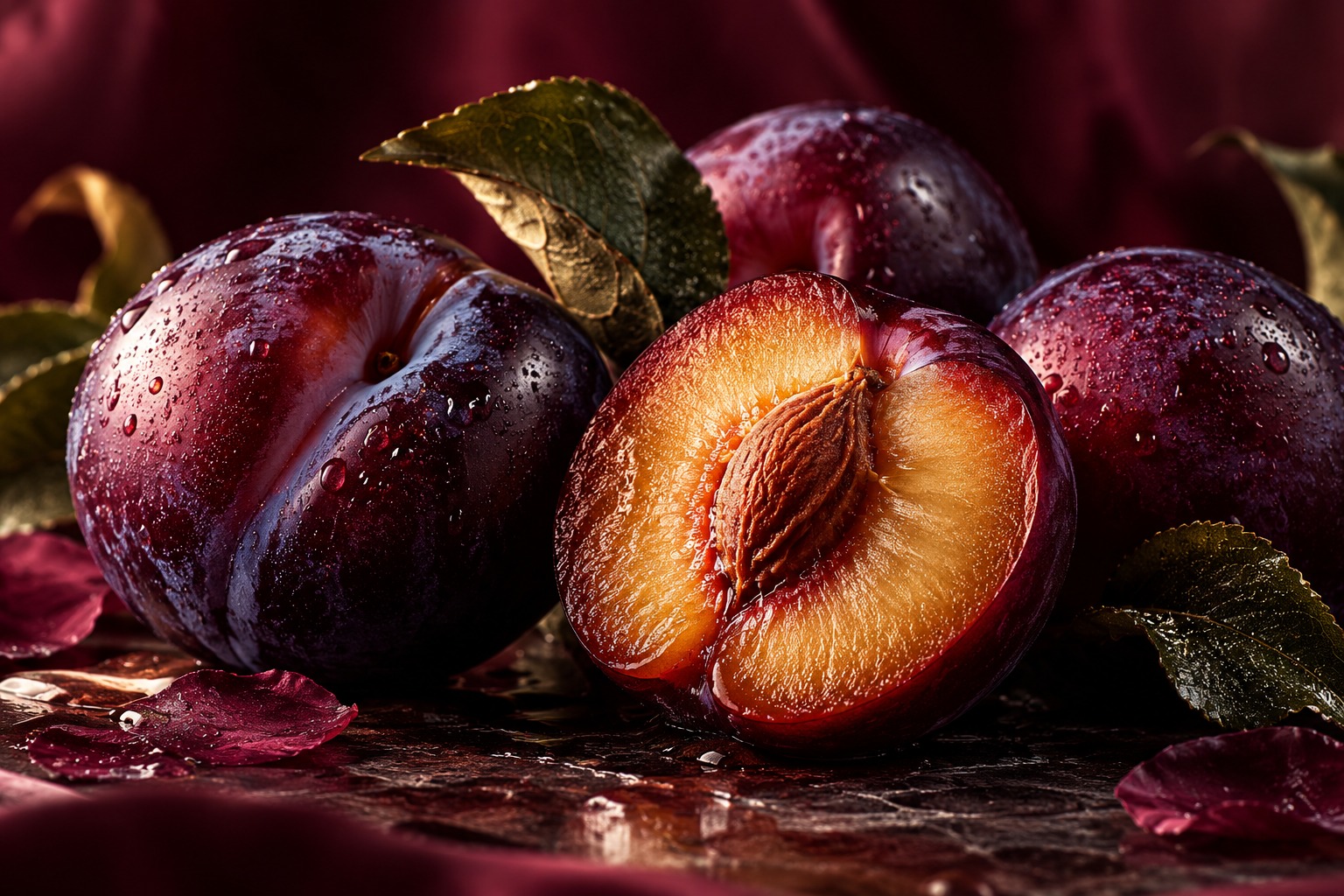
fruity
Rich ripe-fruit sweetness with a soft tartness or darker, jam-like character.
Adds a fuller fruit tone than lighter citrus or crisp pear.
Plum notes are typically recreated in perfume. Their effect can range from fresh fruit to a deeper, dried-fruit impression.
Explore the source ↗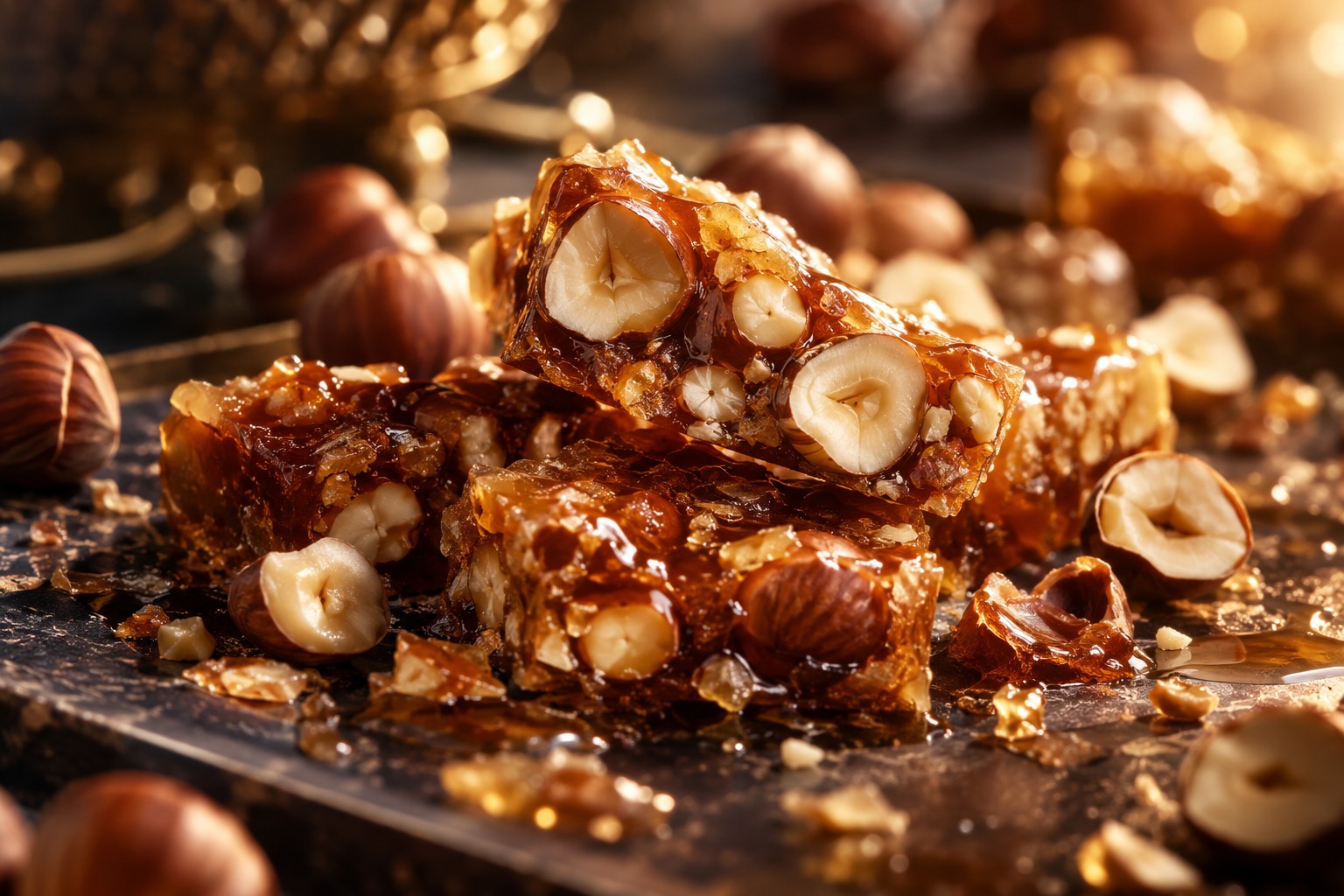
gourmand
Sweet confectionery warmth with toasted-nut and caramel-like facets.
Adds a rounded dessert-like depth to vanilla, flowers or woods.
Praline is a constructed gourmand effect, rather than a promise that edible confectionery is present in the bottle.
Explore the source ↗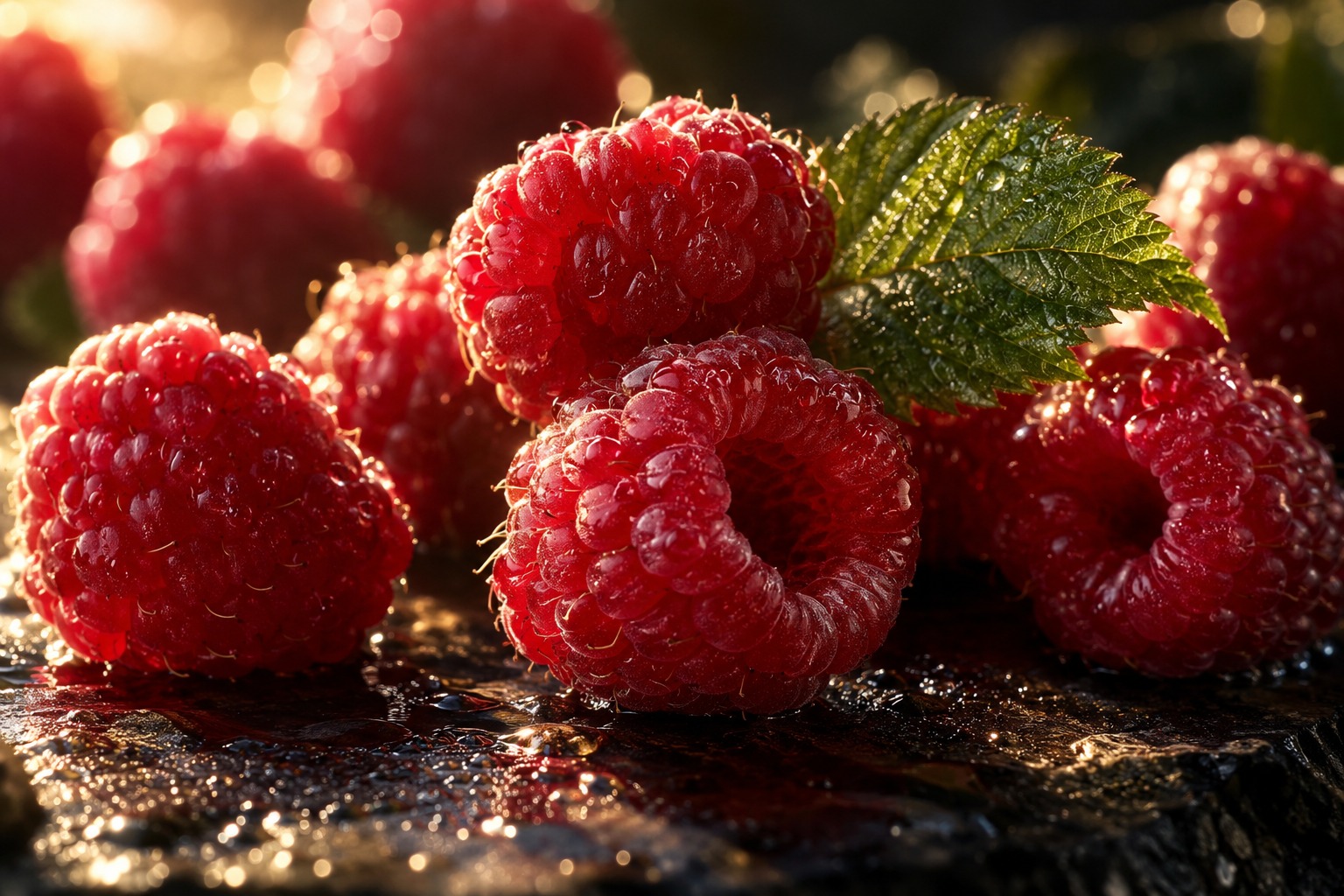
fruity
Juicy red-fruit sweetness with a tangy or tart edge.
Adds bright fruit character to florals and sweeter compositions.
Raspberry often sits within a recreated red-berry accord; it is not a promise of fruit extract.
Explore the source ↗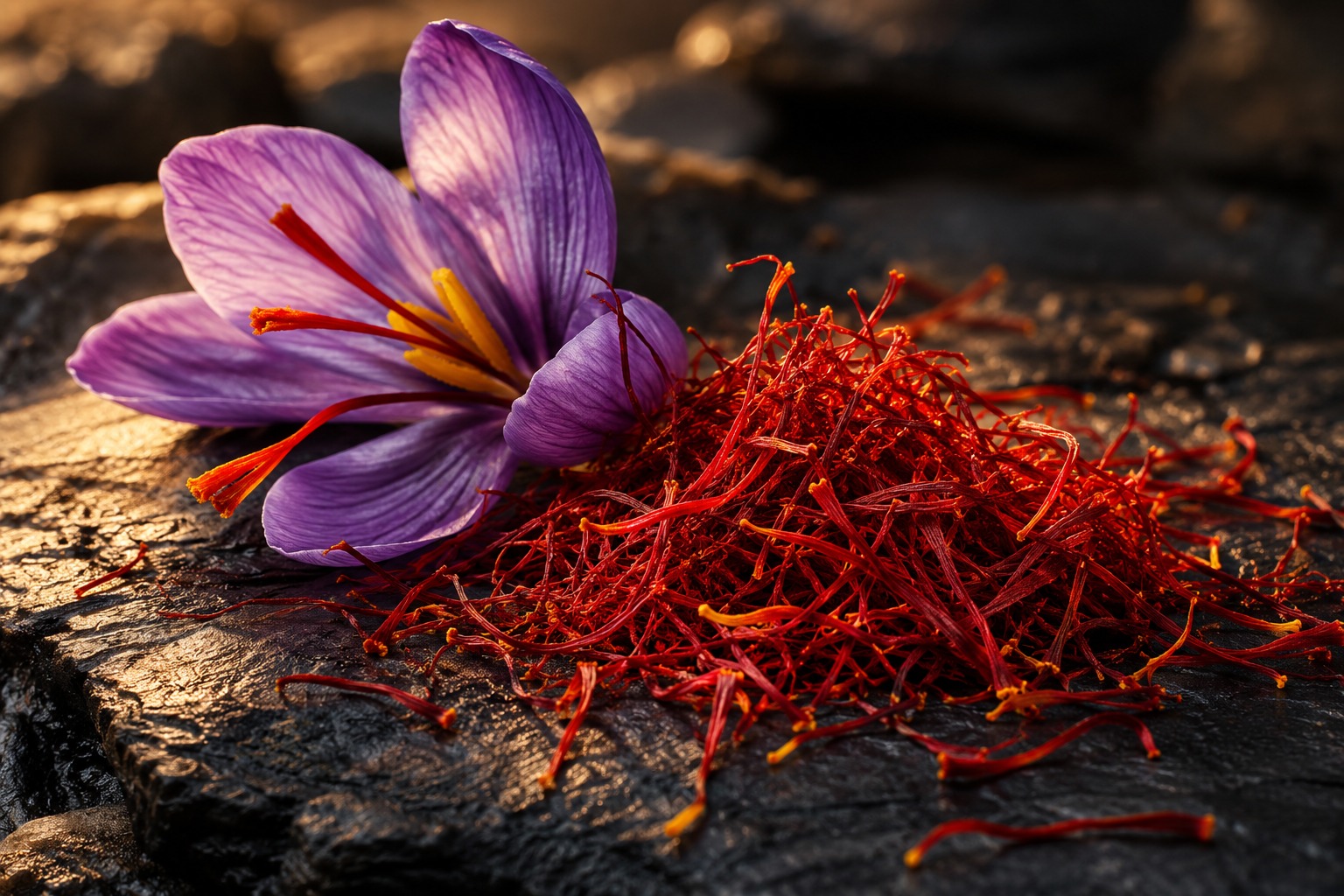
spicy
Bittersweet spice with dry, earthy, hay-like and leathery nuances.
Adds a distinctive warm edge to amber, leather and woody blends.
Saffron comes from the stigmas of Crocus sativus; a listed saffron note does not establish natural extract content.
Explore the source ↗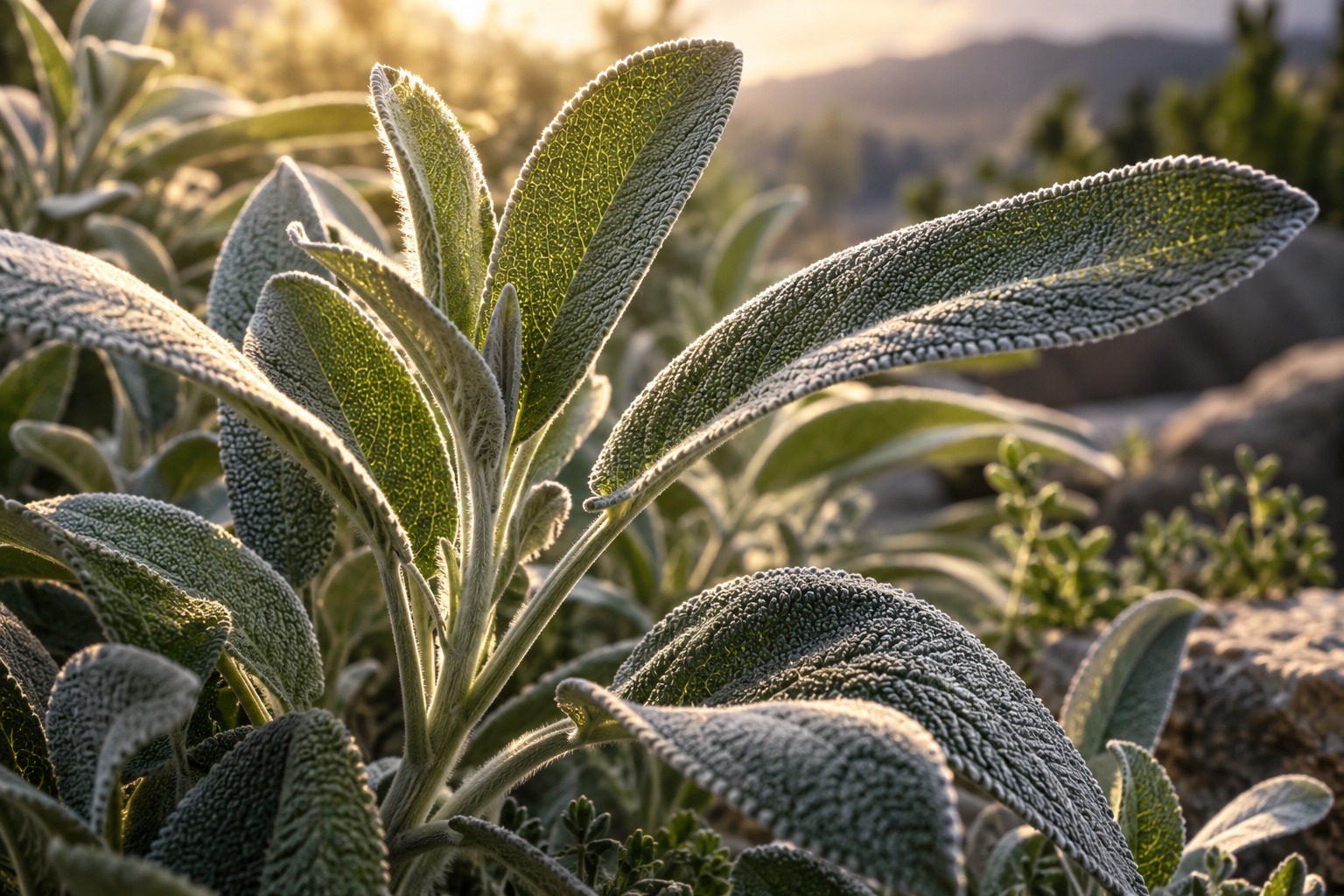
aromatic
Herbal and peppery, with fresh eucalyptus-like undertones.
Adds dry aromatic freshness and a savoury contrast to sweeter notes.
Common sage oil is distilled from leaves; clary sage is a different perfumery material.
Explore the source ↗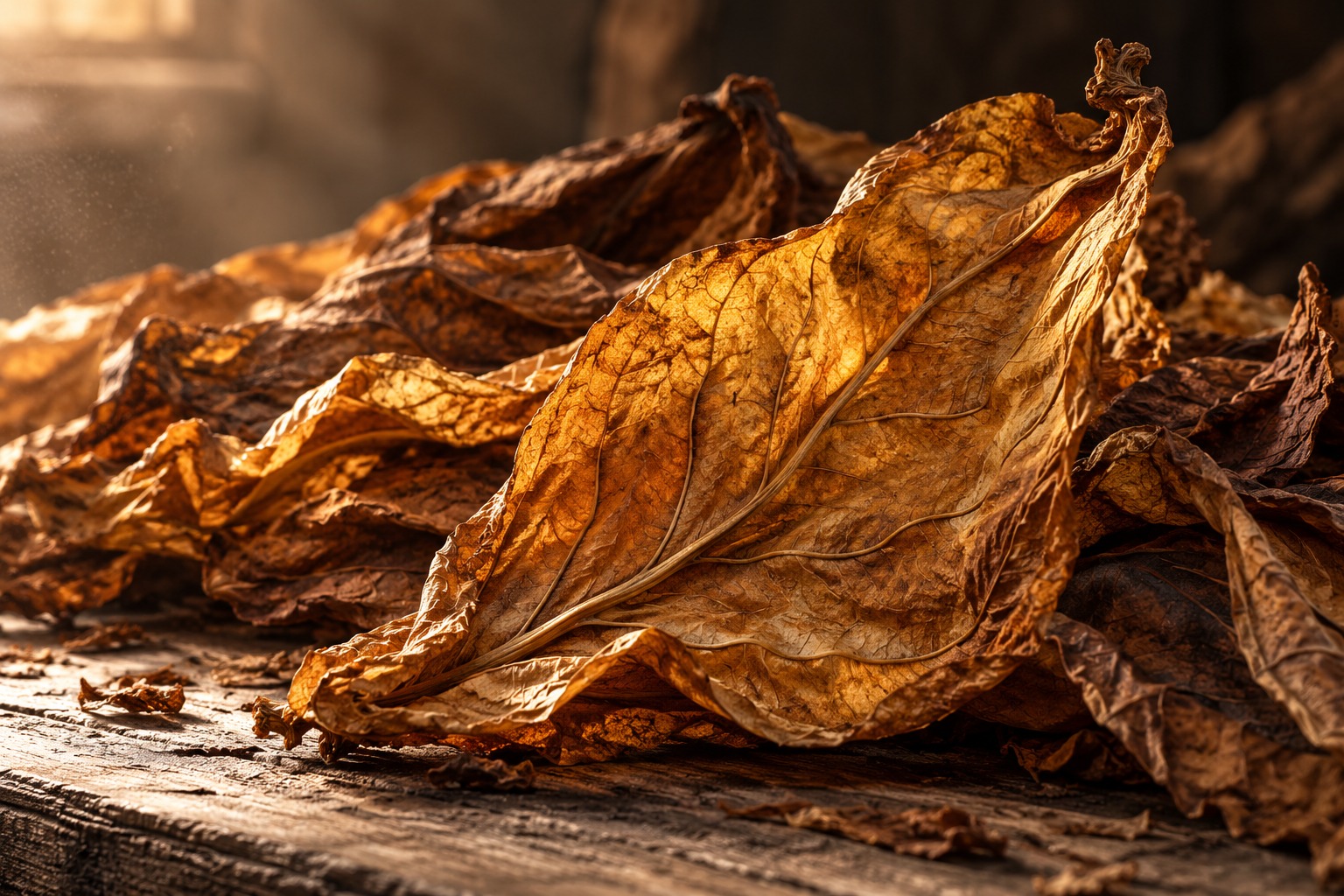
woody warm
Warm, slightly sweet dried-leaf character with earthy, hay-like or smoky facets.
Adds depth and darker texture to spices, amber and rich florals.
A tobacco perfume note can suggest cured leaves or an accord; it need not smell like cigarette smoke.
Explore the source ↗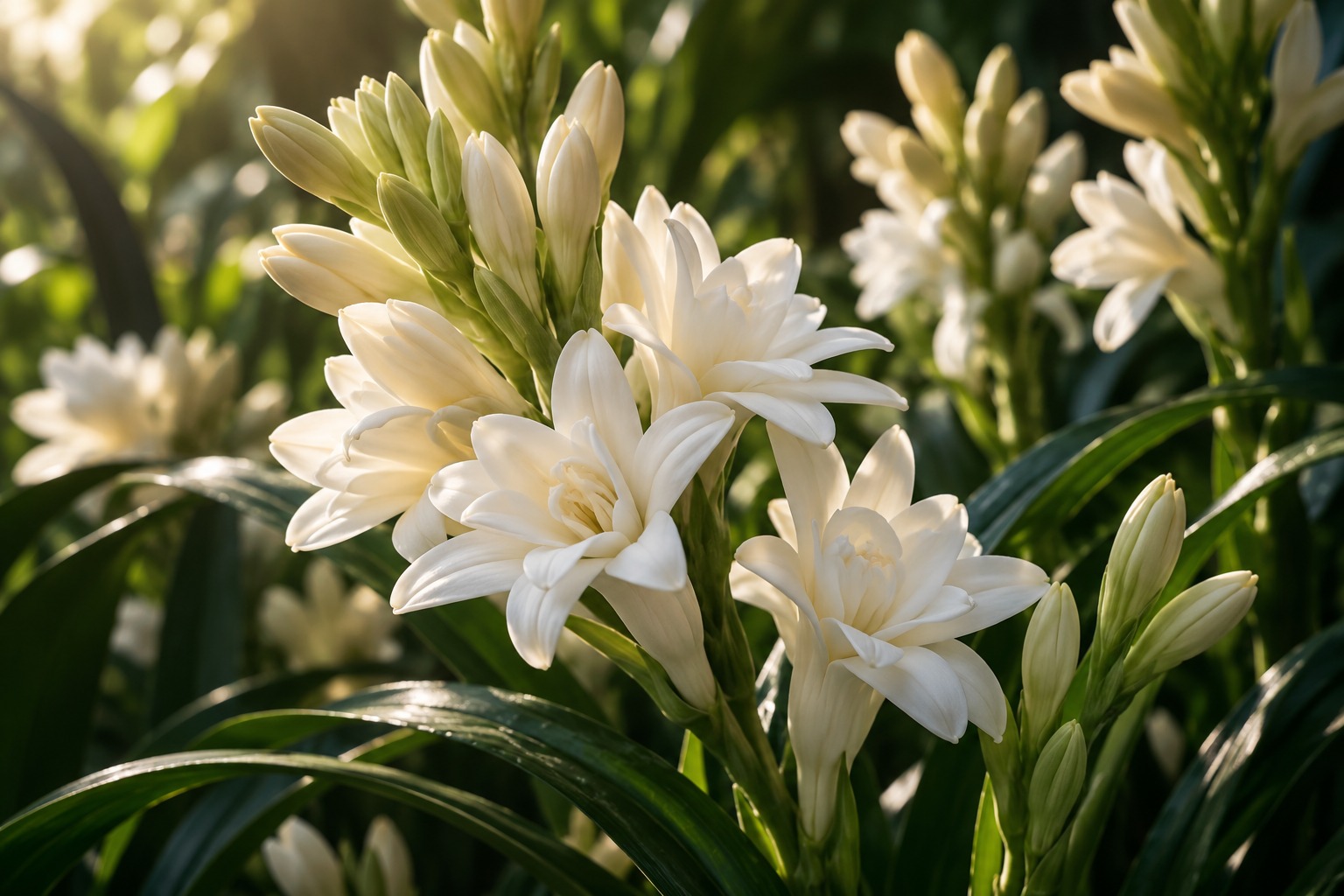
floral
A rich white floral, creamy and heady with a sometimes cool, camphorous edge.
Adds a full, expressive floral heart that can contrast with fresh or leathery notes.
Tuberose can be represented by natural extracts or recreated accords, with different facets emphasised by the perfumer.
Explore the source ↗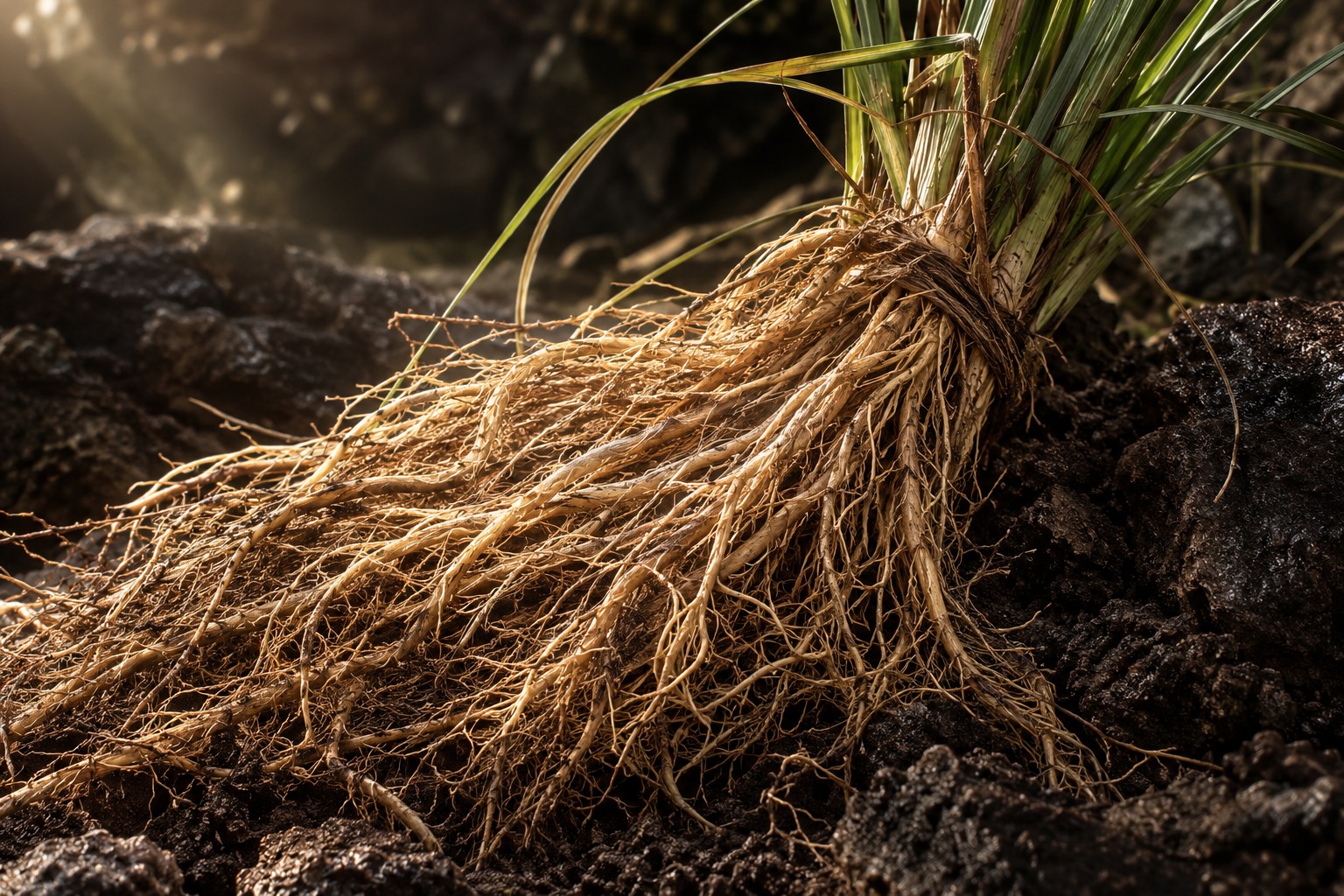
woody
Earthy and dry, with grassy, woody and sometimes smoky facets.
Gives a blend grounding depth and a drier contrast to sweetness.
Vetiver oil comes from the roots of a tropical grass, rather than a tree.
Explore the source ↗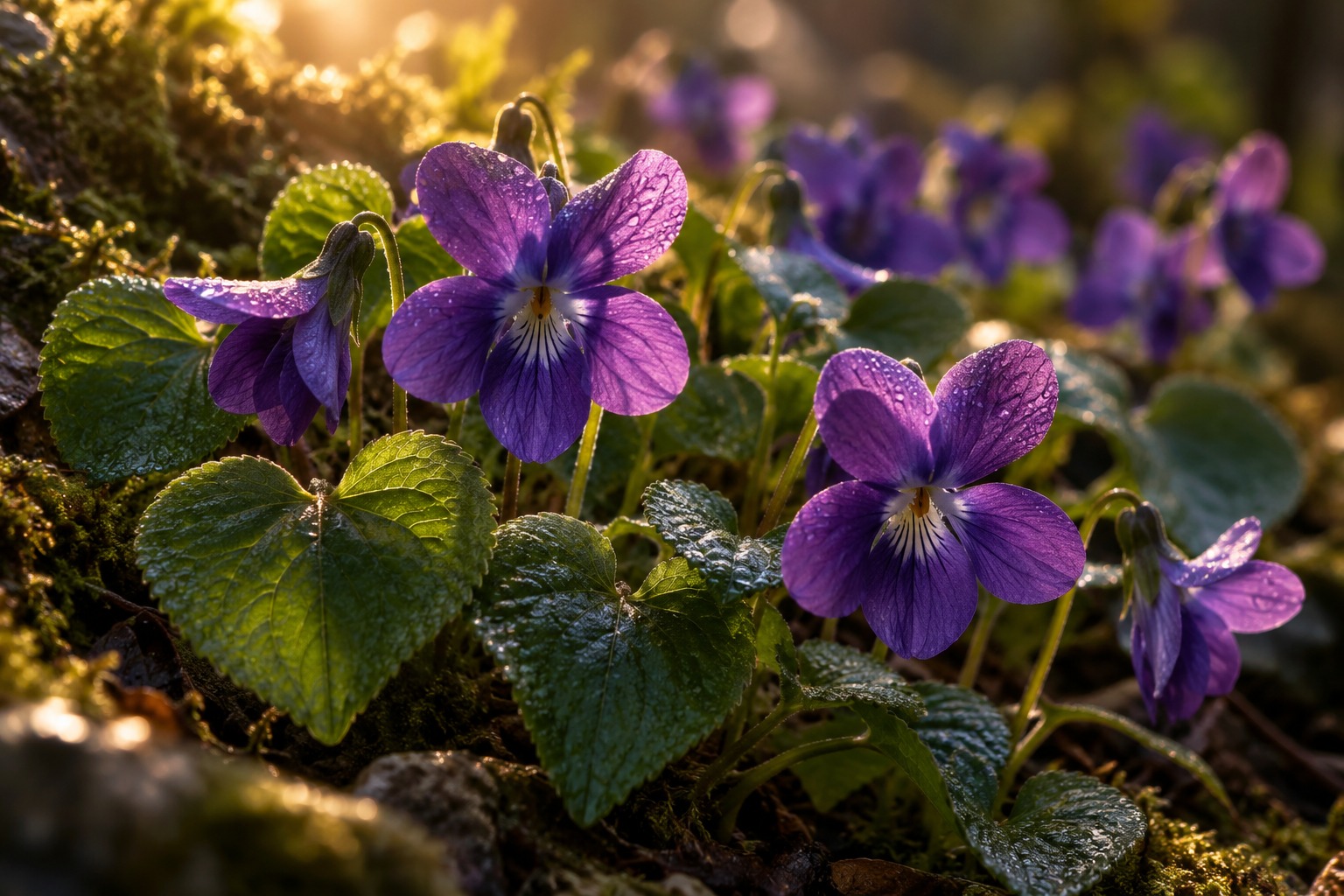
floral powdery
A delicate sweet floral, often with a powdery, cosmetic-like softness.
Adds gentle floral sweetness and blends naturally with iris or heliotrope.
Violet-flower and violet-leaf notes are different: the leaf has a greener character and should not be treated as identical.
Explore the source ↗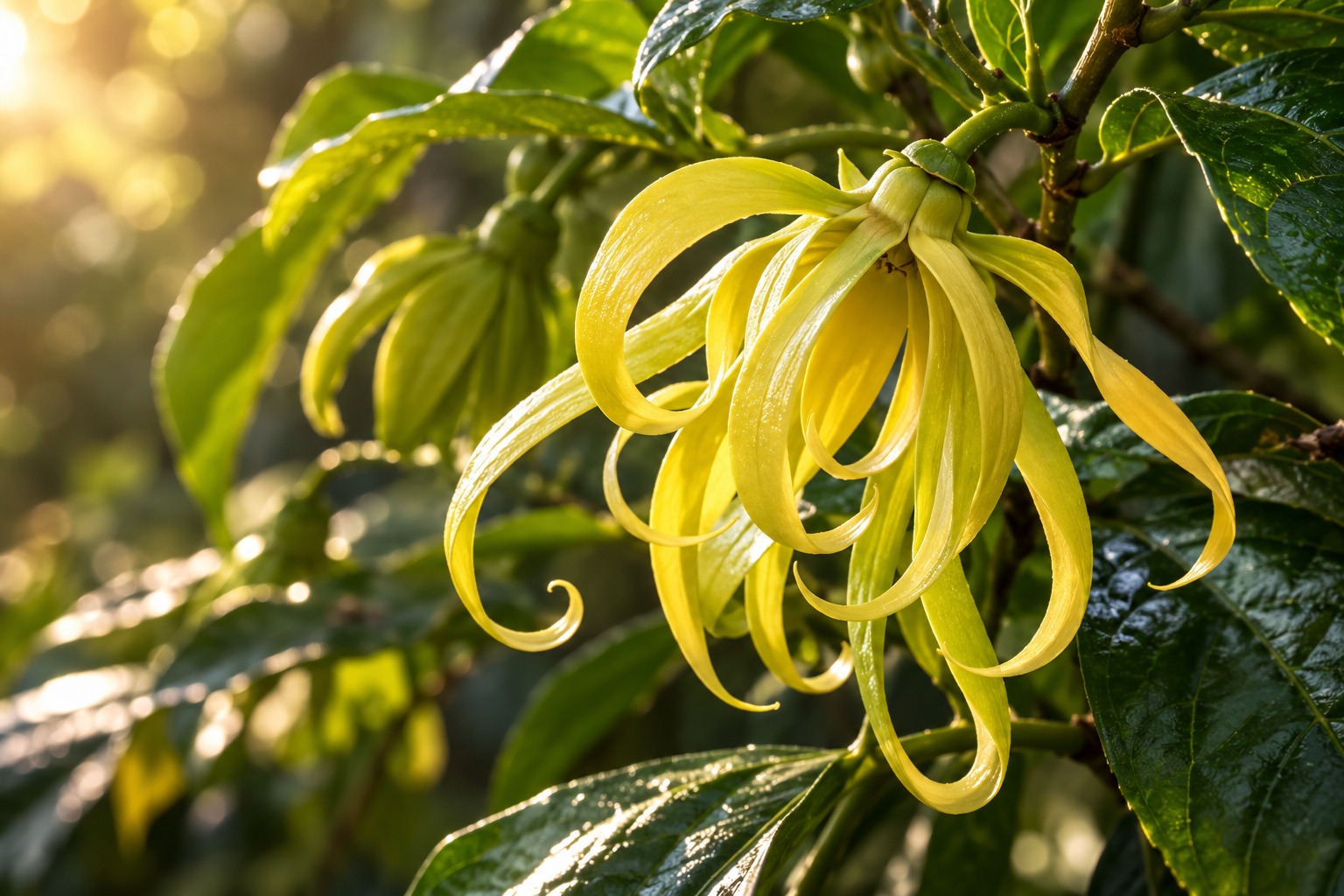
floral
Rich tropical floral character, with buttery, fruity and softly medicinal nuances.
Adds fullness and creamy warmth to floral compositions.
The fragrant material comes from Cananga odorata flowers; extraction and fraction affect its character.
Explore the source ↗No dedicated guide for that note yet. Try a broader family such as floral, woody or gourmand.